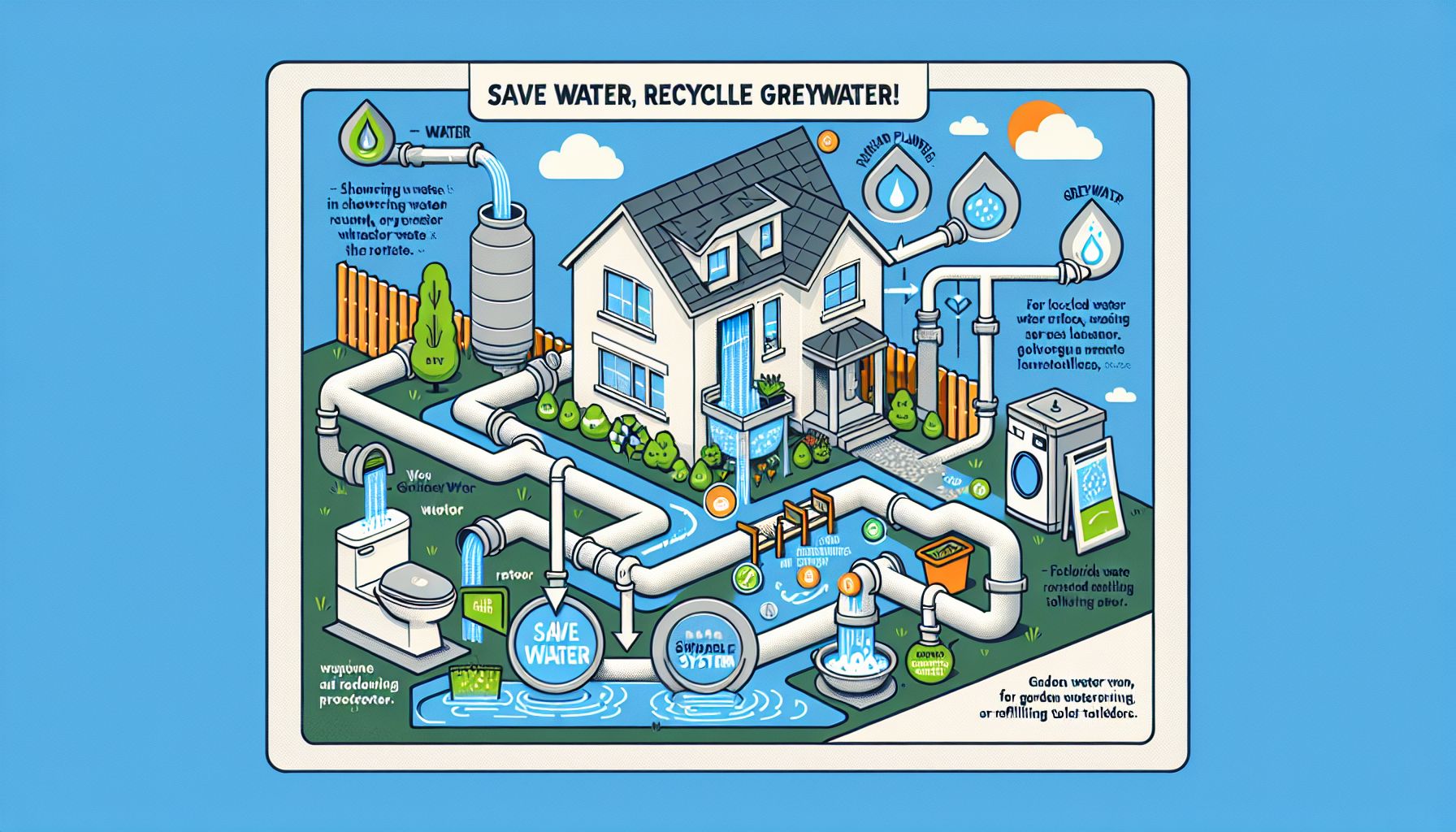
Water scarcity is a growing concern in many parts of the world, with urban areas especially feeling the strain on water resources. One effective way to reduce water consumption and lessen the burden on municipal water supplies is through the use of greywater recycling systems. Greywater is the wastewater generated from household activities such as bathing, washing dishes, and laundry. Instead of letting this water go to waste, it can be treated and reused for non-potable purposes like watering plants, flushing toilets, and cleaning.
Benefits of Greywater Recycling Systems
Greywater recycling systems offer several benefits for homeowners and the environment. Some of the key advantages include:
- Water Conservation: By recycling greywater for non-potable uses, households can reduce their reliance on municipal water supplies. This can lead to significant water savings over time.
- Cost Savings: Using recycled greywater can lower water bills and decrease the demand for treated water, which can reduce utility costs for homeowners.
- Environmental Impact: Recycling greywater helps to reduce the amount of wastewater that ends up in sewer systems or natural water bodies, thus lowering the overall impact on the environment.
Types of Greywater Recycling Systems
There are various types of greywater recycling systems available for residential use, ranging from simple, DIY setups to more advanced, professionally installed systems. Some common types include:
- Laundry-to-Landscape Systems: This type of system directs greywater from the washing machine to the outdoor landscape, where it can be used to water plants and trees.
- Branched Drain Systems: Branched drain systems distribute greywater to different areas of the landscape through a series of pipes, allowing for more even watering.
- Pumping Systems: For homes with more complex layouts or larger water needs, pumping systems can transport greywater to different parts of the property for irrigation.
Considerations for Installing a Greywater Recycling System
Before installing a greywater recycling system in your home, there are several factors to consider:
- Local Regulations: Check with your municipality to ensure that greywater recycling is allowed in your area and to learn about any specific regulations or guidelines that need to be followed.
- System Design: The design of your greywater recycling system will depend on factors such as the size of your property, the types of greywater sources available, and your water needs.
- Maintenance: Regular maintenance is crucial for ensuring the efficiency and longevity of a greywater recycling system. This may include filter replacements, pipe cleaning, and monitoring water quality.
Sources:
- Waterwise. (n.d.). Greywater Reuse. Retrieved from https://www.waterwise.org.uk/water-efficiency/greywater-reuse/
- Environmental Protection Agency. (2021, March 25). Greywater Reuse. Retrieved from https://www.epa.gov/sites/production/files/2018-07/documents/greywaterrecycle.pdf