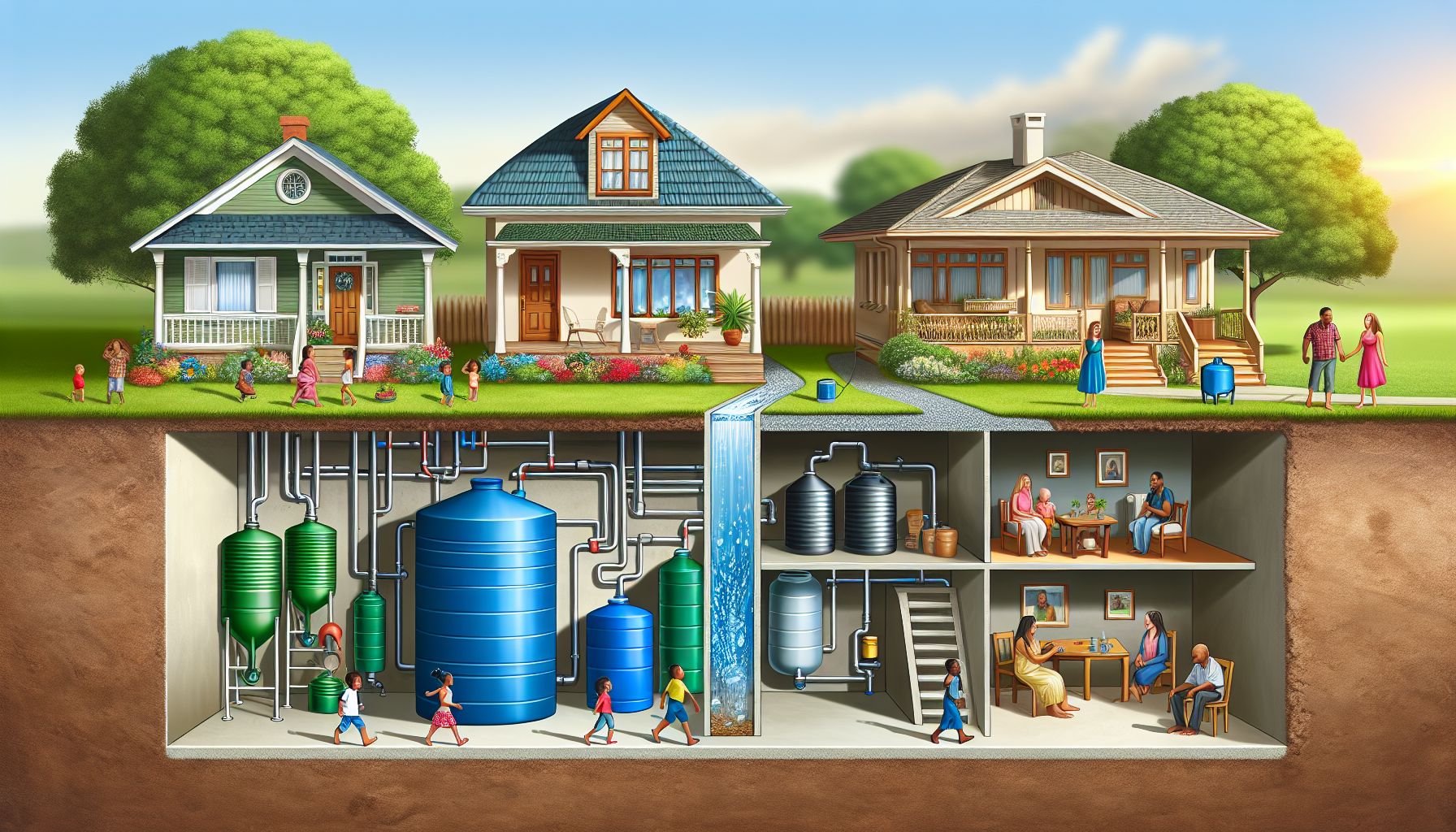
In recent years, the global water crisis has become a pressing issue, with many regions facing water scarcity and drought conditions. In urban areas, where water supply is limited and demand is high, rainwater harvesting has emerged as a sustainable solution to alleviate water stress. By capturing and storing rainwater for later use, households can reduce their dependence on municipal water sources and contribute to water conservation efforts.
Benefits of Rainwater Harvesting
Rainwater harvesting offers a wide range of benefits for urban households. Some of the key advantages include:
- Reduced Water Bills: By collecting rainwater for domestic use, homeowners can lower their water bills and save money in the long run.
- Sustainable Water Supply: Rainwater is a free and abundant resource that can supplement municipal water supply during dry periods.
- Less Strain on Infrastructure: By reducing demand on municipal water systems, rainwater harvesting can help alleviate pressure on aging infrastructure and prevent water shortages.
- Environmental Benefits: Harvesting rainwater can reduce runoff and erosion, improve water quality, and protect local ecosystems.
- Resilience to Drought: In drought-prone areas, stored rainwater can provide a reliable source of water for household use during dry spells.
Types of Rainwater Harvesting Systems
There are several types of rainwater harvesting systems that can be installed in urban households. The most common systems include:
- Rain Barrels: These small, above-ground containers capture rainwater from roof runoff through a downspout. The collected water can be used for watering plants, washing cars, or other non-potable purposes.
- Cisterns: Larger underground or above-ground tanks that store rainwater for household use. Cisterns can be connected to plumbing fixtures for indoor use, such as flushing toilets or laundry.
- Green Roofs: Also known as living roofs, these roofs are covered with vegetation that captures rainwater and filters it for reuse or infiltration.
How to Implement Rainwater Harvesting at Home
To implement a rainwater harvesting system at home, follow these steps:
- Assess Your Needs: Determine your water requirements and the potential for rainwater collection based on your roof size and rainfall patterns.
- Select a Collection Method: Choose a rainwater collection system that suits your needs, whether it’s a simple rain barrel or a more complex cistern system.
- Install the System: Set up the collection system by connecting it to your roof gutters and downspouts. Ensure that the system is properly sealed and filtered to prevent contamination.
- Use the Harvested Water: Utilize the collected rainwater for non-potable purposes, such as watering your garden, washing clothes, or cleaning outdoor surfaces.
By implementing rainwater harvesting techniques in urban households, individuals can play a proactive role in conserving water resources and building a more sustainable future for generations to come.
Sources:
1. Rainwater Harvesting for Urban Areas: Guidance for Planners and Decision-Makers
2. Rainwater Harvesting Systems for Household Water Supply: Design, Performance, and Impact