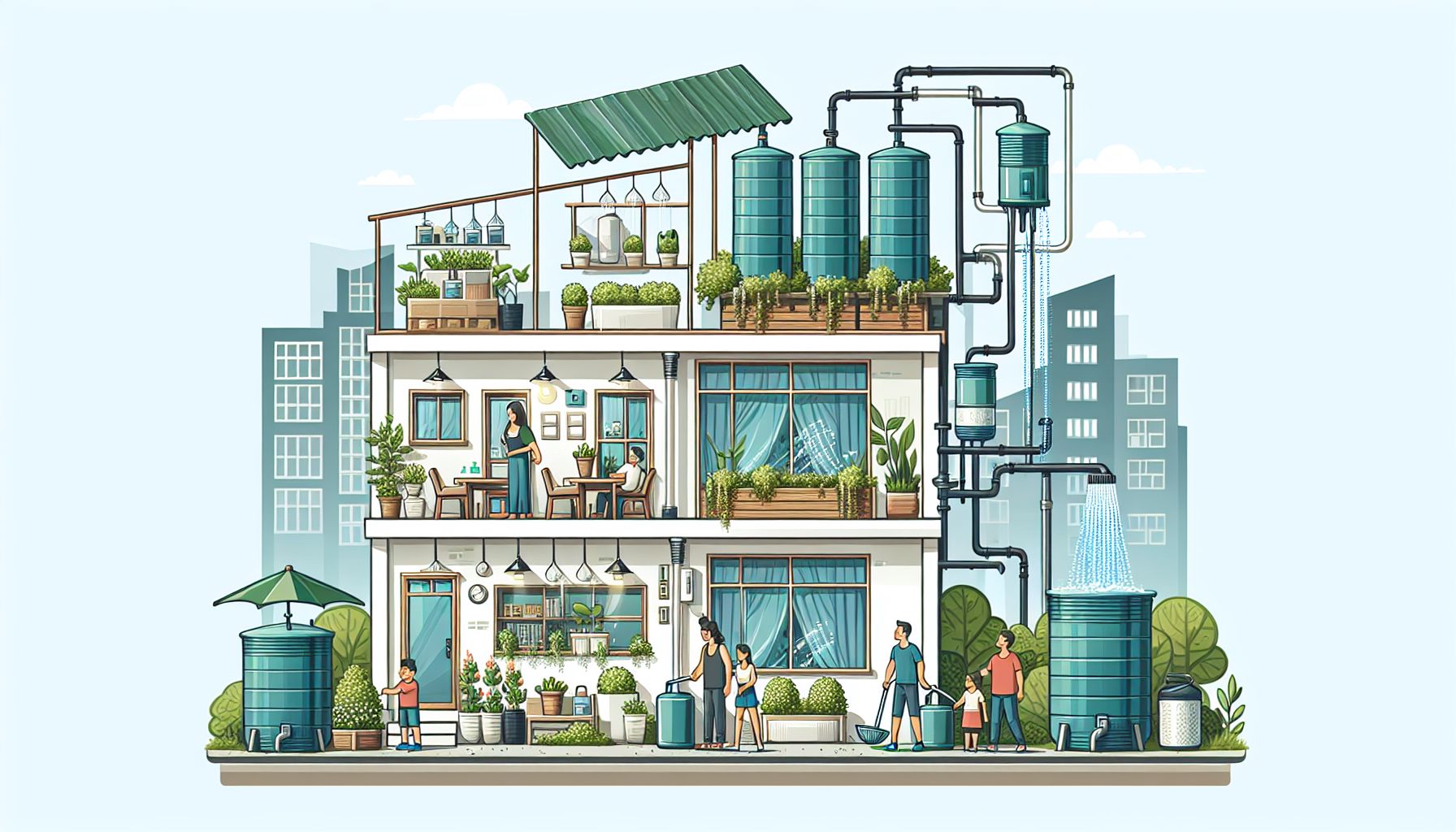
In recent years, the importance of water conservation has become increasingly apparent due to factors such as climate change and population growth. As a result, many homeowners are seeking ways to reduce their water usage and carbon footprint. One effective method of conserving water that has gained popularity is rainwater harvesting.
What is Rainwater Harvesting?
Rainwater harvesting is the collection and storage of rainwater for later use. Instead of allowing rainwater to run off into storm drains, where it can contribute to flooding and erosion, homeowners can capture and store the water for various purposes, such as watering gardens, flushing toilets, and even drinking (after proper filtration).
Benefits of Rainwater Harvesting
There are several benefits to implementing rainwater harvesting techniques in urban households, including:
-
Reduces Demand on Municipal Water Supply: By using rainwater for non-potable purposes, homeowners can reduce their reliance on treated municipal water, which in turn helps to conserve valuable resources.
-
Reduces Stormwater Runoff: Stormwater runoff can carry pollutants into streams and rivers, contributing to water pollution. By capturing rainwater, homeowners can help reduce the amount of runoff entering the local waterways.
-
Saves Money: Using rainwater for tasks such as watering the garden or washing the car can help reduce water bills, especially in regions where water is scarce or expensive.
-
Promotes Sustainability: Rainwater harvesting is a sustainable practice that can help to reduce the overall environmental impact of a household.
Techniques for Rainwater Harvesting
There are several techniques that homeowners can use to harvest rainwater, ranging from simple, low-cost systems to more complex setups. Some common methods include:
-
Rain Barrels: One of the simplest ways to harvest rainwater is to install a rain barrel under a downspout. The barrel collects rainwater that can then be used for gardening or other outdoor tasks.
-
Rainwater Tanks: For larger storage capacity, homeowners can install rainwater tanks that are connected to the home’s gutter system. These tanks can hold hundreds or even thousands of gallons of rainwater.
-
Green Roofs: Green roofs are roofs that are covered in vegetation and can help absorb rainwater, reducing runoff and providing additional water for plants.
-
Permeable Paving: Driveways and walkways made of permeable materials allow rainwater to seep into the ground, reducing runoff and recharging groundwater supplies.
-
In-ground Cisterns: For homeowners with space, in-ground cisterns can be installed to store large amounts of rainwater for later use.
Resources
For more information on rainwater harvesting techniques and systems, homeowners can consult local water conservation organizations or contact professional installers. Additionally, some municipalities offer rebates or incentives for residents who install rainwater harvesting systems, so it’s worth checking with local government agencies for potential assistance.
Rainwater harvesting is a simple yet effective way for urban households to reduce their water usage, lower their water bills, and contribute to a more sustainable environment. By implementing some of the techniques mentioned above, homeowners can take a step towards a more water-conscious lifestyle.