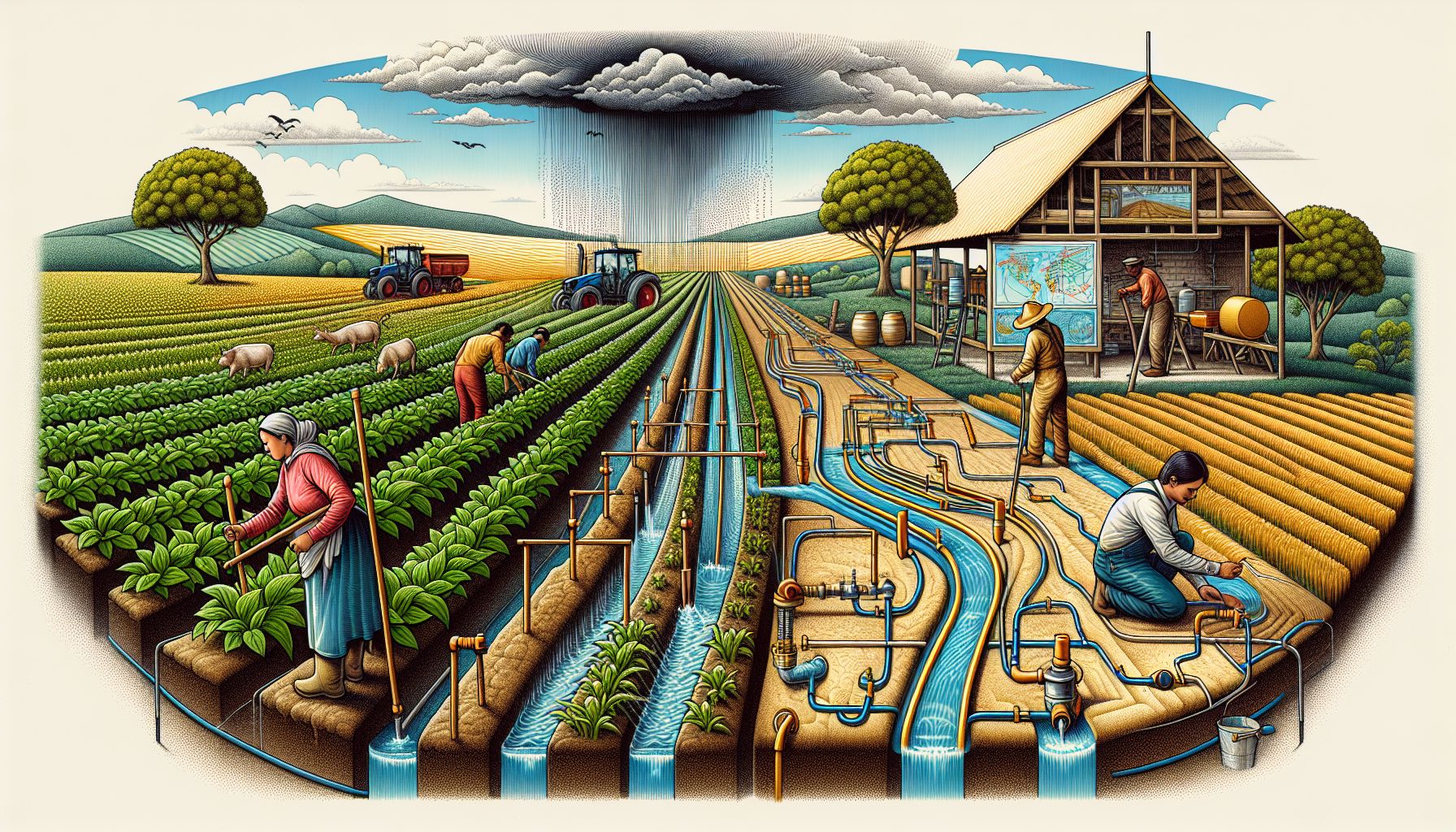
Agriculture is the lifeline of any economy, providing food, raw materials, and employment to millions of people worldwide. As the global population continues to grow, the demand for agricultural goods increases, placing immense pressure on natural resources, particularly fresh water. With increasing occurrences of drought and water scarcity, it becomes crucial to adopt sustainable water management practices in agriculture to ensure food security, protect ecosystems, and combat the adverse effects of climate change. In this comprehensive guide, we will explore the various strategies and techniques that can be employed for water-efficient agriculture.
Understanding the Need for Sustainable Water Management
Before delving into the actual practices, it is essential to understand why sustainable water management is imperative for agriculture. The agricultural sector is the largest consumer of freshwater resources, using up to 70% of the global freshwater supply (FAO). The excessive use of water, coupled with inefficient practices, leads to wastage, pollution, and depletion of water bodies, which ultimately affects the sustainability of agriculture itself.
Climate change exacerbates the issue, as changing precipitation patterns, more frequent and severe droughts, and shifts in evapotranspiration rates impact the availability of water (IPCC). To address these challenges, sustainable water management practices offer solutions that can help optimize water use, increase agricultural productivity, and promote resilience.
Techniques for Sustainable Water Management
1. Rainwater Harvesting
Rainwater harvesting is the collection and storage of rainwater for agricultural purposes. This passive irrigation system collects rainfall from rooftops, land surfaces, or rock catchments and stores it in reservoirs for later use. It mitigates the impact of drought, reduces dependence on groundwater, and lessens erosion and flooding.
2. Drip Irrigation
Drip irrigation delivers water directly to the root zone of plants through a network of tubing and emitters. This precision irrigation technique substantially reduces water usage by minimizing evaporation and runoff, and it can also reduce the proliferation of weeds since only the crops receive targeted watering.
3. Soil Moisture Management
Proper soil moisture management ensures that crops receive the optimal amount of water. Techniques such as mulching, using water-retentive soil amendments, and selecting drought-tolerant plant varieties help retain soil moisture. Moisture sensors and smart irrigation systems can further optimize water use by providing real-time data on soil moisture levels.
4. Controlled Flooding and Furrow Irrigation
Controlled flooding, also known as surge flooding, involves releasing water onto the field intermittently to reduce runoff and allow better infiltration. Modified furrow irrigation, on the other hand, optimizes the classic furrow method by shortening the length of the run or using a surge flow to improve water distribution and efficiency.
5. Aquifer Recharge
Aquifer recharge aims to replenish underground water reserves. This can be done through the construction of recharge basins, where excess surface water can percolate down and recharge the groundwater. Managed aquifer recharge (MAR) projects often use purified wastewater, stormwater, or diverted river water to sustain groundwater levels.
6. Agroforestry Systems
Integrating trees into agricultural landscapes provides multiple benefits, including improved water retention, reduced soil erosion, and enhanced microclimates. Trees can act as natural windbreaks, reducing evapotranspiration from crops, and their deep roots can also help access water at greater depths.
7. Buffer Strips and Riparian Zones
Establishing buffer strips of vegetation along waterways and creating or maintaining riparian zones help filter pollutants, reduce erosion, and increase water infiltration into the ground. These vegetative barriers also provide habitat for wildlife and contribute to the ecological health of the surrounding area.
8. Conservation Tillage
Conservation tillage refers to any farming practice that leaves the previous year’s crop residue on fields before and after planting the next crop. This technique reduces runoff and erosion, promotes soil moisture retention, and improves soil structure and health.
9. Water-Smart Crop Choices
Selecting crops that are naturally more drought-resistant or that have lower water requirements can significantly reduce water use. Crop diversification, intercropping, and selecting varieties that have been bred for water efficiency can also contribute to more sustainable water management.
10. Scheduling and Efficient Water Application
Farmers can schedule irrigation based on the crop’s growth stage, soil conditions, weather forecasts, and evapotranspiration rates. Efficient water application methods, such as variable rate irrigation (VRI) and evapotranspiration-based scheduling, can adjust water application to meet crop needs precisely.
Challenges and Considerations
While the above techniques offer significant benefits, their implementation is not without challenges. Financial constraints, especially for smallholder farmers, lack of infrastructure, limited access to technology, and knowledge gaps can impede the adoption of sustainable water management practices.
Policymakers, researchers, and agricultural extension services have vital roles to play in advocating for sustainable approaches, providing financial and technical support, and facilitating knowledge transfer. Cross-sector collaboration between water and agricultural sectors is also necessary to align objectives and resources for integrated water management (IWMI).
Conclusion
Sustainable water management practices in agriculture are not just beneficial; they are a necessity for the continued prosperity and survival of the sector. By employing an integrated approach to water management, embracing innovative techniques, and promoting cooperation among stakeholders, the agricultural community can safeguard water resources for future generations while sustaining its own productivity.
Educating farmers and the public on the importance of sustainable water use, and providing the necessary support for implementation, will be key to ensuring these practices become widespread. As we face the challenges of an uncertain climate future, adopting sustainable water management in agriculture becomes an essential part of the solution to preserve our most precious resource: water.