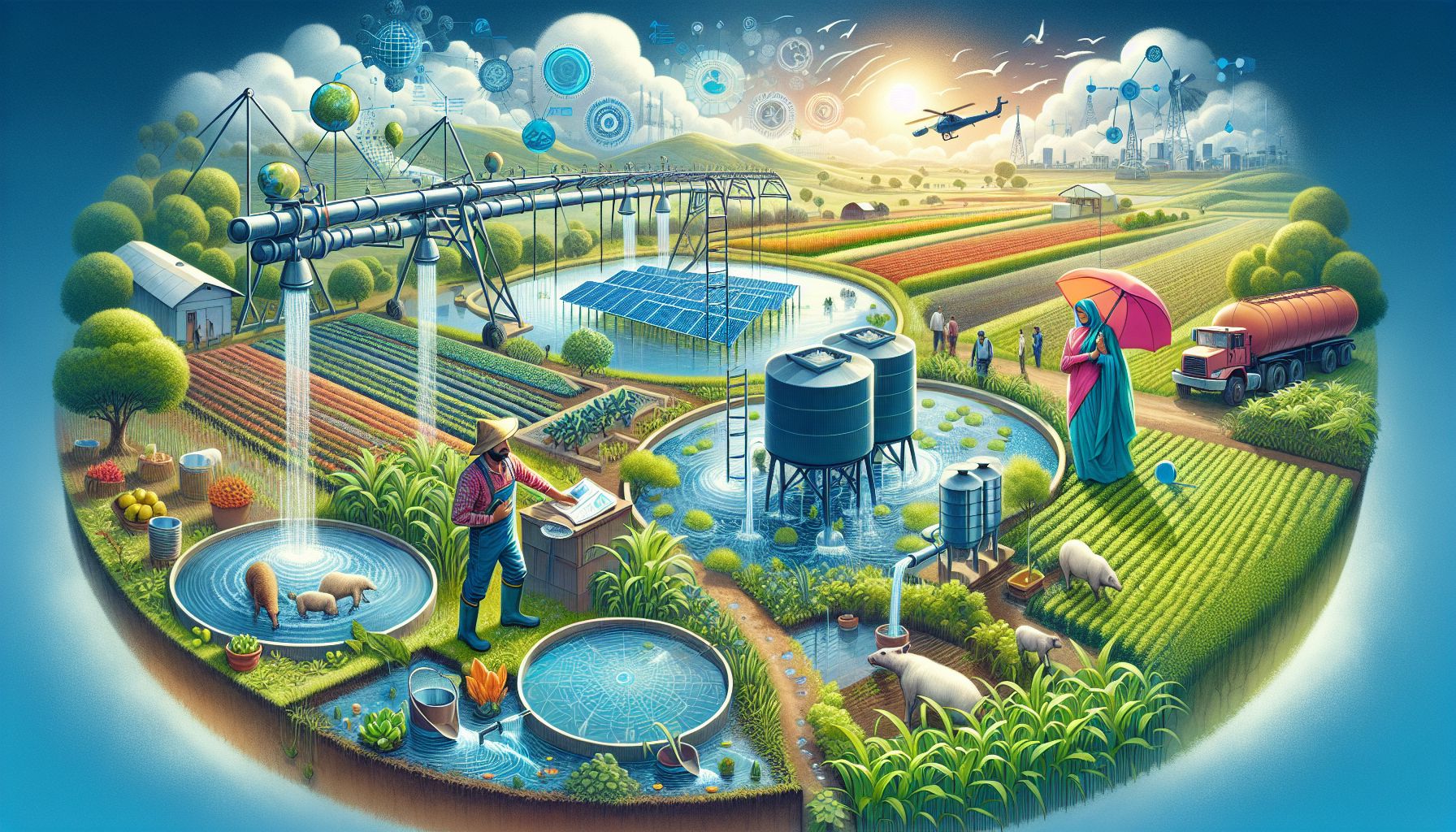
Agriculture has always been a sector that consumes a significant amount of the world’s freshwater resources. As global populations increase and climate change intensifies, ensuring water sustainability in agriculture has become a critical concern. Sustainable water management practices are the key to preserving this precious resource for future generations. Below, we will explore various strategies and modern innovations designed to use water more efficiently and sustainably in agriculture, a vital step towards environmental conservation and food security.
Understanding the Importance of Water in Agriculture
Water is the lifeblood of agriculture. It is essential for crop growth, livestock maintenance, and various on-farm processes. According to the Food and Agriculture Organization of the United Nations (FAO), agriculture accounts for approximately 70% of all freshwater withdrawals globally. Such a staggering figure highlights the immense responsibility the agricultural sector has in managing water resources sustainably.
Agronomic Practices to Reduce Water Usage
Agronomic practices that enhance water retention and minimize water loss can dramatically improve water use efficiency in agriculture. Here are some techniques that farmers can employ.
Conservation Tillage
Conservation tillage, including no-till and minimum tillage practices, reduces soil disturbance. This approach helps maintain soil structure, improve organic matter retention, and increase water infiltration and retention.
Crop Rotation and Intercropping
Rotating crops and intercropping can improve soil health, reduce pest pressure, and decrease the need for irrigation. Different crops have varying water requirements, and strategic planning can optimize water use.
Mulching
Mulching involves covering the soil with a protective layer of organic or inorganic material. It helps retain soil moisture, lower temperature, reduce evaporation, and prevent weed growth.
Innovation in Irrigation
The use of traditional irrigation methods often leads to substantial water wastage. Innovation in irrigation technology and methods can lead to significant water savings.
Drip Irrigation
Drip irrigation delivers water directly to the plant roots, minimizing evaporation and runoff. It’s highly efficient, reducing water use by up to 70% compared to traditional flood irrigation.
Smart Irrigation Systems
Utilizing sensors and IoT (Internet of Things) technology, smart irrigation systems can optimize water usage based on real-time data about soil moisture, weather conditions, and crop needs.
Solar-powered Pumping Systems
Renewable energy-powered irrigation, particularly solar-powered pumps, can provide a sustainable and cost-effective solution for water delivery in remote and off-grid agricultural settings.
Water Harvesting and Storage
Capturing and storing rainwater for agricultural use is another critical aspect of sustainable water management.
Ponds and Reservoirs
Creating on-farm ponds and reservoirs can capture runoff and store rainwater for dry periods, ensuring a supplemental water supply for crops and livestock.
Rainwater Harvesting Systems
Incorporating rainwater harvesting into farm infrastructure can provide an additional water source. Simple systems include gutters and barrels, while more complex schemes involve catchment areas and large-scale storage tanks.
Enhancing Water Policies and Management
Effective policies and management strategies are fundamental to achieving sustainable water use in agriculture.
Water Rights and Pricing
Regulations that define water rights and fair pricing can incentivize water conservation and promote equitable access to water resources.
Integrated Water Resources Management (IWRM)
IWRM is a process that promotes the coordinated management of water, land, and related resources. It involves stakeholders at all levels and across sectors to maximize economic and social welfare without compromising the sustainability of vital ecosystems.
Water User Associations (WUAs)
Local water user associations empower communities to self-manage their water resources, leading to more efficient and equitable water distribution and maintenance of shared irrigation systems.
Development of Climate-Resilient Varieties
Investment in plant breeding and biotechnology can develop crop varieties that are more resilient to drought and other climate stressors, requiring less water to thrive.
Educating and Training Farmers
Providing education and training in water management to farmers is essential for the adoption of sustainable practices. Workshops, on-site demonstrations, and extension services play vital roles in transferring knowledge and skills.
Challenges and Barriers
While these sustainable practices offer significant benefits, several challenges hinder widespread adoption. These include the upfront costs of advanced technologies, lack of knowledge or resistance to change among farmers, inadequate policies, and limited access to financing or subsidies.
Conclusion
Sustainable water management in agriculture is not just about conserving water; it’s about ensuring that food production systems remain viable for the long term. Innovations in technology and methodologies, alongside supportive policies and education, are crucial to achieving this balance.
As the FAO and other organizations, such as the World Bank and International Water Management Institute (IWMI), continue to advocate for and support sustainable water management initiatives, we can hope for a future where agriculture and water resources can sustainably coexist.
By implementing these sustainable water management practices for agriculture, we can ensure that our water resources are used wisely, effectively, and can be sustained for generations to come. This is not merely a sectoral responsibility; it is a global imperative.