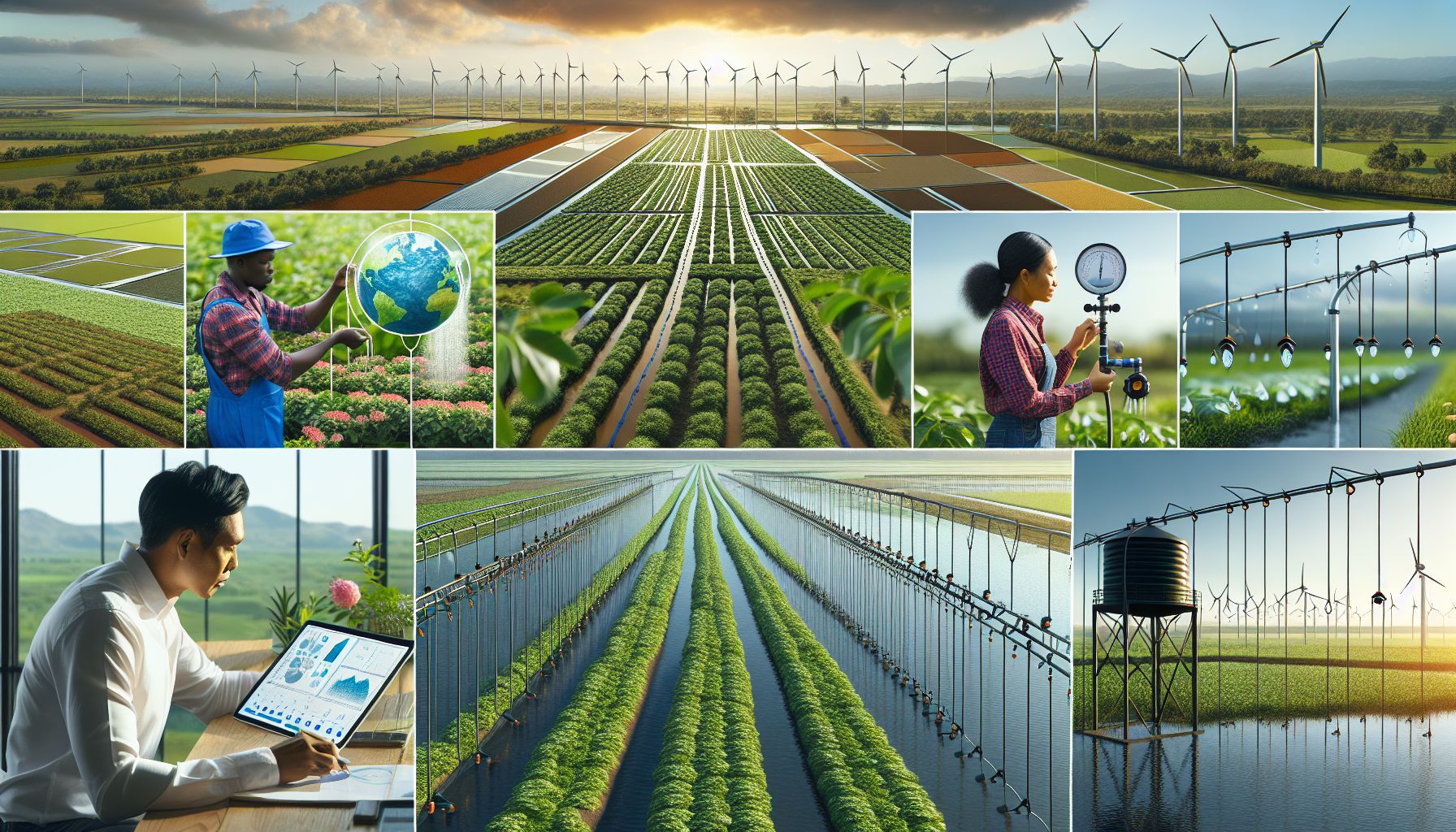
Agriculture is the backbone of many economies and the primary source of food production worldwide. However, it is also among the largest consumers of freshwater resources. With the growing concerns about water scarcity exacerbated by climate change, there is a pressing need for sustainable management of water within the agricultural sector. This article delays into the various practices and strategies that can be adopted to ensure efficient and sustainable water usage in agriculture.
The Importance of Sustainable Water Management in Agriculture
Sustainable water management in agriculture is crucial to preserve this critical resource for future generations while ensuring food security. The United Nations’ Food and Agriculture Organization (FAO) has emphasized that adopting efficient water management practices is key to feeding a growing global population expected to reach nearly 10 billion by 2050 (FAO, 2017).
The agricultural industry must address multiple challenges such as dwindling water supplies, the over-extraction of groundwater, pollution of freshwater bodies, and the degradation of ecosystems. Sustainable water management practices offer a way to balance the need for agricultural production with the conservation of water resources.
Key Strategies for Sustainable Water Management in Agriculture
Improved Irrigation Techniques
Conventional flood irrigation systems are highly inefficient, with much of the water lost to evaporation and runoff. Several improved irrigation methods can increase efficiency, including:
- Drip Irrigation: Delivers water directly to the plant roots, drastically reducing water loss.
- Sprinkler Systems: Can be tailored to the needs of specific crops and controlled to minimize waste.
- Subsurface Irrigation: Applies water below the soil surface, closer to plant roots, reducing evaporation losses.
Rainwater Harvesting
Rainwater harvesting involves collecting and storing rainwater for agricultural purposes. It can be an effective approach in regions with seasonal rainfall patterns to bridge dry spells. Techniques include the construction of ponds, tanks, and reservoirs, as well as the use of micro-catchments around plants.
Water-Smart Crop Choices
Opting for crop varieties that require less water or are better adapted to dry conditions can lead to significant savings in water consumption. For instance, millet and sorghum have lower water requirements compared to crops like rice and sugarcane.
Soil Moisture Conservation
Conserving soil moisture through mulching, reduced tillage, and the use of cover crops can enhance the water retention capacity of soils, thereby reducing the need for irrigation. These practices also contribute to soil health, providing long-term agricultural sustainability.
Recycling of Agricultural Water
Treated agricultural wastewater can be a valuable resource for irrigation. Implementing recycling and treatment systems can help in reusing water within the agricultural cycle, reducing the demand for fresh water sources.
Use of Technology and Data
Precision agriculture uses technology such as sensors, GPS, and drones to collect data on soil moisture, crop health, and weather patterns. This information can enable farmers to make informed decisions about watering schedules, reducing unnecessary water use.
Integrated Pest and Nutrient Management
The overuse of chemical pesticides and fertilizers can lead to the contamination of water sources. Integrated Pest Management (IPM) and judicious use of fertilizers can protect water quality while maintaining crop yields.
Implementing Sustainable Practices
Adopting sustainable water management practices often involves an initial investment in technology and infrastructure, as well as a shift in traditional farming methods. Governments, NGOs, and the private sector can support this transition by providing education, financial incentives, and technical assistance to farmers.
Case Studies of Effective Implementation
There are numerous success stories where sustainable water management practices have led to positive outcomes. For instance, Israel has become a world leader in drip irrigation, significantly increasing agricultural productivity while reducing water usage. In India, initiatives like the “Neeranchal National Watershed Project” have focused on improving watershed management, with a positive impact on water conservation in agriculture (World Bank, 2015).
Challenges in the Path Forward
Despite the availability of sustainable practices, numerous challenges remain. These include economic barriers, resistance to change from traditional farming communities, and the need for policy support at the governmental level. Addressing these issues will be key to achieving widespread adoption of sustainable water management in agriculture.
Conclusion
The demand for agricultural products will continue to rise, but this cannot come at the expense of our finite water resources. Sustainable water management in agriculture presents an opportunity to align the need for food security with the imperative of water conservation. By embracing efficient and responsible practices, the agricultural industry can contribute to the sustainable stewardship of water resources, ensuring their availability for generations to come.
Sources
-
Food and Agriculture Organization of the United Nations (FAO). (2017). The Future of Food and Agriculture – Trends and Challenges. Retrieved from http://www.fao.org/3/a-i7480e.pdf.
-
United Nations Educational, Scientific and Cultural Organization (UNESCO). (2020). Water in Agriculture. Retrieved from https://en.unesco.org/themes/water-security/hydrology/water-agriculture.
-
World Bank. (2015). Project to Support the National Watershed Management Project “Neeranchal”. Retrieved from https://www.worldbank.org/en/news/feature/2015/10/21/project-to-support-the-national-watershed-management-project-neeranchal.