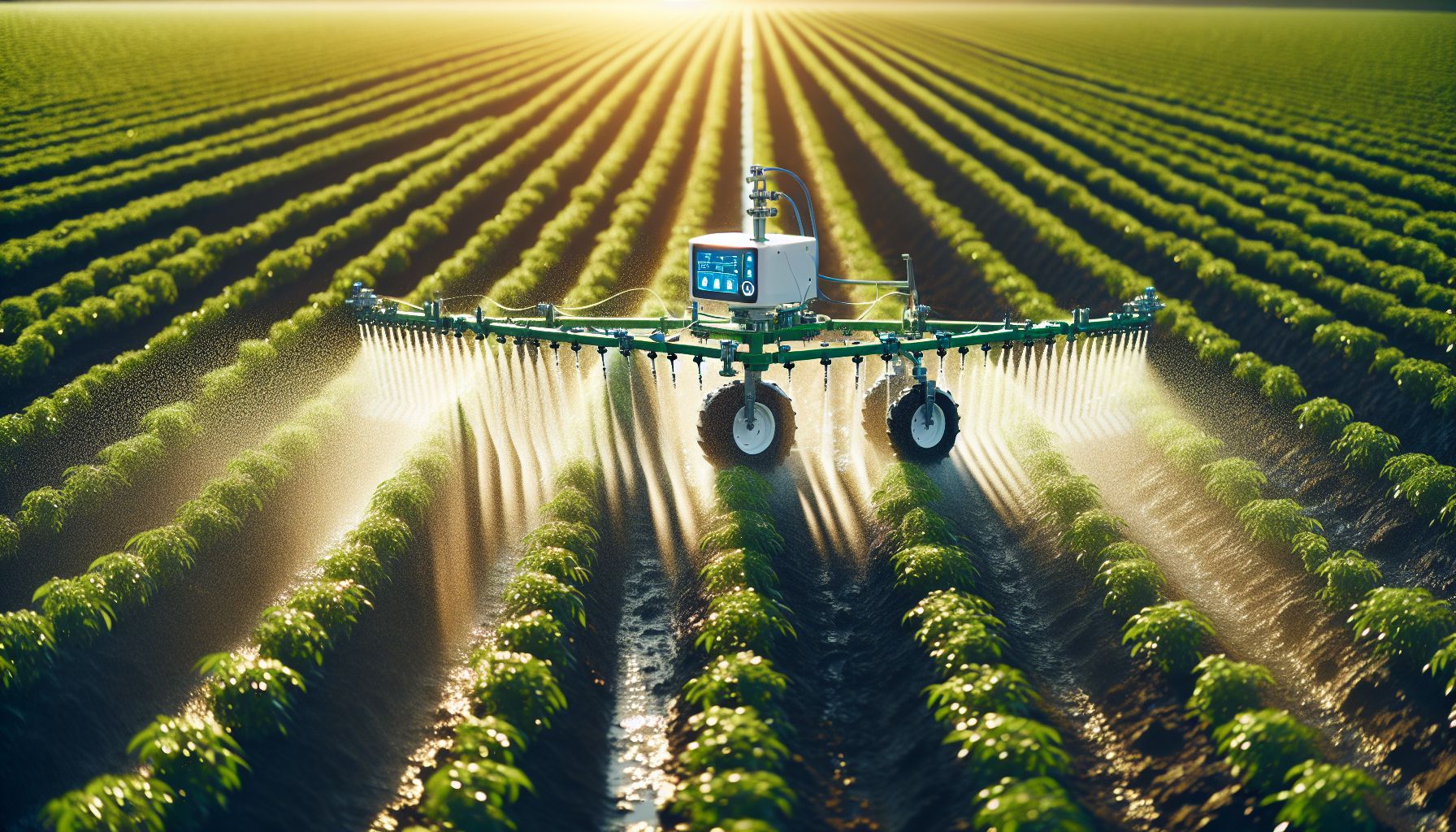
Agriculture plays a pivotal role in sustaining human livelihoods and economies, but it also accounts for a substantial portion of global water use. With freshwater resources dwindling due to various factors such as increased demand, environmental degradation, and the impacts of climate change, the need to use water efficiently in agricultural practices has never been more critical. Smart irrigation systems have emerged as a compelling solution for water conservation in the agricultural sector. This article will explore the concept of smart irrigation, its benefits, types of smart irrigation systems, and considerations for implementation.
What is Smart Irrigation?
Smart irrigation refers to the use of technology to optimize the watering of crops in a way that effectively supplies plants with the necessary hydration without excess water wastage. It involves the deployment of sensors, control mechanisms, and software to monitor and manage irrigation processes more accurately and resourcefully.
Benefits of Smart Irrigation Systems
- Water Conservation: Smart systems ensure that water is only applied when and where it is needed, minimizing wastage.
- Increased Crop Yields: Proper irrigation can lead to healthier plants and increased yields.
- Cost Savings: Efficient water use can result in lower water bills and reduced energy costs related to water pumping and delivery.
- Environmental Protection: Reducing excess irrigation can mitigate the runoff of chemicals into local waterways and decrease soil erosion.
- Time Savings: Automation of irrigation can free up time for farmers to focus on other important tasks.
Types of Smart Irrigation Systems
- Weather-Based Controllers (ET Controllers): These systems use local weather data to tailor watering schedules to current atmospheric conditions.
- Soil Moisture Sensor-Based Systems: Such systems measure the moisture content of the soil to determine when to irrigate.
- Drone and Satellite Monitoring: Advanced systems can use aerial imagery to assess field conditions and guide irrigation.
- Automatic Drip Irrigation: These are systems that deliver water directly to the roots of plants, reducing evaporation losses.
- Robotic Irrigation: Automated robots can navigate fields and deliver water precisely where it’s needed.
Integrating Smart Technology with Traditional Practices
To reap the most benefits from smart irrigation systems, integration with traditional agricultural practices and local knowledge is essential. It’s not merely about replacing old systems but augmenting them with new technology to achieve the best outcomes for water conservation and crop productivity.
Considerations for Implementing Smart Irrigation
- Cost: The initial investment can be significant, although the long-term savings and increased yields can offset this.
- Maintenance: Smart systems require upkeep to function correctly, including regular checks and calibration of sensors.
- Training: Farmers may need education and training to use smart irrigation technology effectively.
- Connectivity: Some smart systems need a reliable internet connection, which may be challenging in remote rural areas.
- Scale: Systems should be scalable and adaptable to various farm sizes and types.
- Integration: Smart irrigation should integrate seamlessly with other farm management systems for maximum efficiency.
Implementation and Real-World Examples
Many agricultural regions have begun implementing smart irrigation practices with considerable success. For instance, California’s central valley, known for its diverse agricultural output, has seen an uptick in adoption of soil moisture sensors and ET controllers in response to drought conditions and water scarcity challenges.
Conclusion
The sophistication of smart irrigation technology is revolutionizing how farmers manage water use in agriculture. Not only does it offer a route to conserve a critical resource, but it also holds the potential to improve crop yields, reduce costs, and lessen environmental impacts. As water scarcity becomes a more acute global problem, the integration of smart irrigation into agricultural systems is likely to become standard practice, ensuring both sustainability and efficiency in the use of this precious resource.
Sources
- “Farmers Adopting Conservation Agriculture: Evidence from the Andes” by de Graaff et al., Ecology and Society. (https://www.ecologyandsociety.org/vol20/iss3/art3/)
- “Smart Irrigation Systems: Overview and Examples” published by the American Society of Agricultural and Biological Engineers. (https://www.asabe.org/)
- “Smart water use on your farm” by the United States Environmental Protection Agency. (https://www.epa.gov/smart-water-use-farm)
The format of this article follows the general guidelines of a blog post, providing an informative, accessible, and engaging piece designed to appeal to a broad audience, from farmers to environmentally-conscious readers.