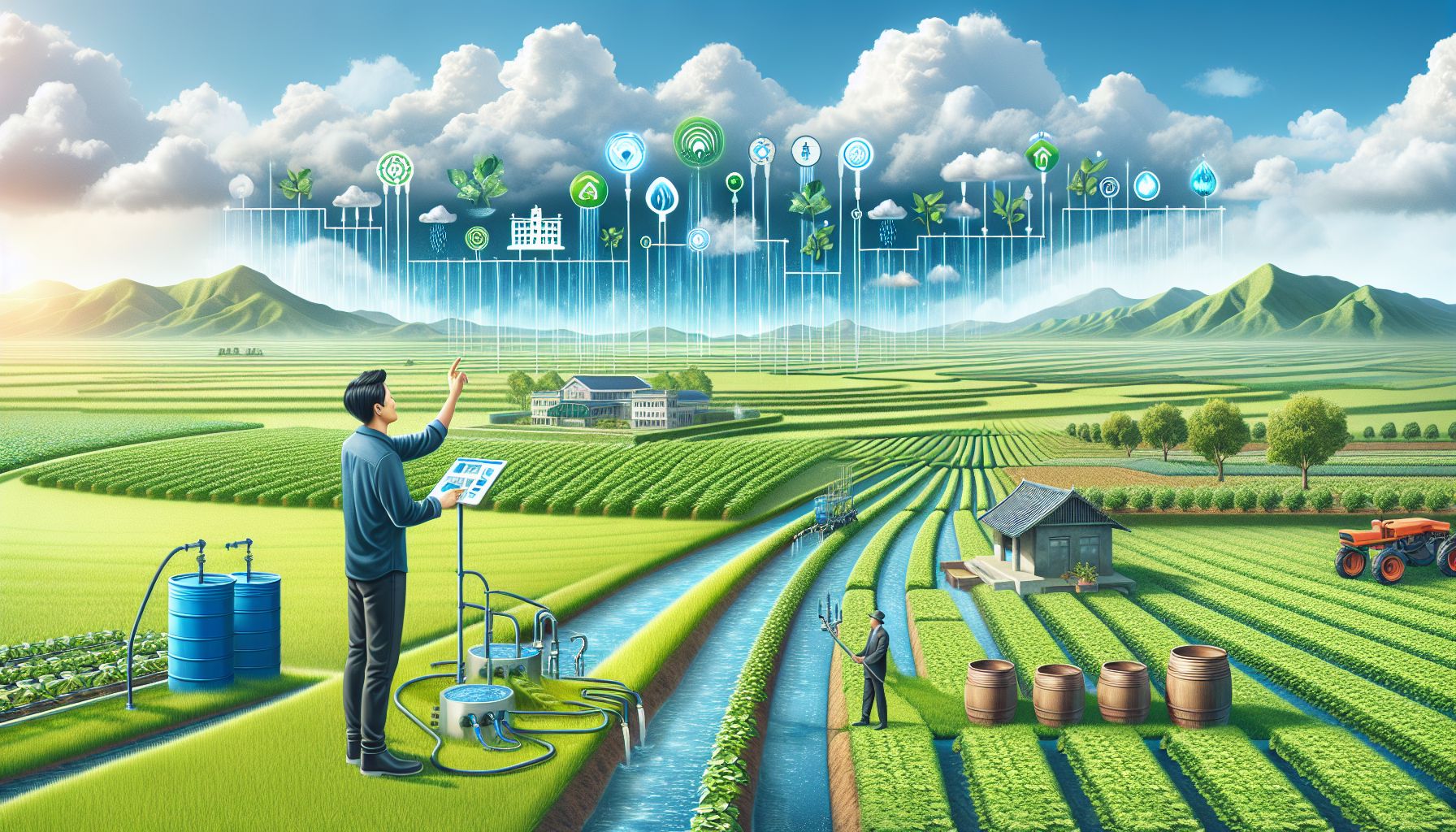
Agriculture consumes more than 70% of the world’s freshwater resources, which underscores the importance of water management in the sector. With the increasing demands on water supplies and the challenges of climate change, sustainable water management practices are not just optional strategies but essential ones. Sustainable water management in agriculture involves the use of practices and technologies that enable farmers to use water resources more efficiently while maintaining or enhancing crop yields. This article will delve into the most effective sustainable water management practices currently being employed in agriculture.
Understanding the Need for Sustainable Water Management
Before exploring specific practices, it’s crucial to understand the pressures on our water resources stemming from agriculture:
- Water Scarcity: With the growing global population, the demand for agricultural products increases, leading to greater water consumption.
- Climate Change: Changing weather patterns affect the availability and predictability of water resources, making it harder for farmers to rely on traditional rain-fed agriculture.
- Environmental Concerns: Excessive water withdrawal for agriculture can have detrimental impacts on local ecosystems, reducing biodiversity and altering natural water cycles.
To address these challenges, agriculture must shift toward more sustainable and efficient water management.
Efficient Water Use Techniques
1. Drip Irrigation
Drip irrigation is a highly efficient watering system that delivers water directly to the roots of plants, minimizing evaporation and runoff. It can save up to 30-70% of the water used by conventional sprinkler systems.
2. Soil Moisture Sensors
Farmers now have access to soil moisture sensors that provide real-time data about the moisture levels of their soil. This technology ensures that crops receive exactly the right amount of water at the right time, minimizing waste.
3. Rainwater Harvesting
Collecting rainwater and storing it for use in dry periods is a simple yet effective sustainable water management practice. It helps farmers supplement their irrigation systems, especially in water-scarce regions.
4. Mulching
Applying a layer of mulch on the soil surface helps retain moisture, reduce evaporation, and prevent weed growth that would otherwise compete with crops for water.
5. Crop Selection and Rotation
Choosing crop varieties that are drought-tolerant or indigenous can significantly reduce water usage. Additionally, rotating crops can improve soil health and its ability to retain water.
Advanced Sustainable Practices
1. Controlled Environment Agriculture
Controlled Environment Agriculture (CEA) includes methods such as greenhouse farming and vertical farming, where conditions like temperature, light, and humidity are controlled to optimize plant growth and minimize water usage.
2. Agroforestry
Integrating trees and shrubs into crop and animal farming systems helps in preserving soil moisture, improving water penetration into soils, and reducing the need for irrigation.
3. Aquaponics and Hydroponics
These soilless farming techniques recycle water in a closed system, drastically reducing water consumption compared to traditional soil-based agriculture.
Policy and Education
1. Water Pricing and Incentives
Governments can provide incentives for farmers to adopt water-efficient practices through subsidies or by implementing tiered water pricing that discourages excessive water use.
2. Education and Extension Services
Training and education of farmers about sustainable water management practices are essential. Local extension services can play a pivotal role in disseminating information and technology.
Examples of Sustainable Water Management Practices in Use
- Israel’s Use of Drip Irrigation: Israel is a leader in drip irrigation technology, and its widespread adoption has enabled the country to grow crops efficiently in arid conditions. (Source: “Drip Irrigation in the Desert,” The Jerusalem Post)
- The System of Rice Intensification (SRI): SRI is a method that changes how rice is grown, resulting in higher yields with less water. It is practiced in many countries across Asia and Africa. (Source: “The System of Rice Intensification,” Cornell University)
- California’s Sustainable Groundwater Management Act (SGMA): California’s SGMA is an example of policy aiming to manage and protect groundwater resources, which are crucial for agriculture in the state. (Source: “Sustainable Groundwater Management in California,” Water Education Foundation)
Moving Forward
Sustainable water management in agriculture is not only about implementing technological solutions but also about changing mindsets. As farmers and policymakers work together to adopt sustainable practices, we can ensure water resources are protected and used efficiently for future generations.
Implementing these practices requires investment, innovation, and cooperation among various stakeholders, including governments, non-governmental organizations, the private sector, and most importantly, the farmers themselves.
A better-managed water cycle means healthier crops, less environmental degradation, more resilient farming systems, and a more secure food supply for the population. It is through the collective effort of everyone involved in agriculture and beyond that water management can reach truly sustainable levels.