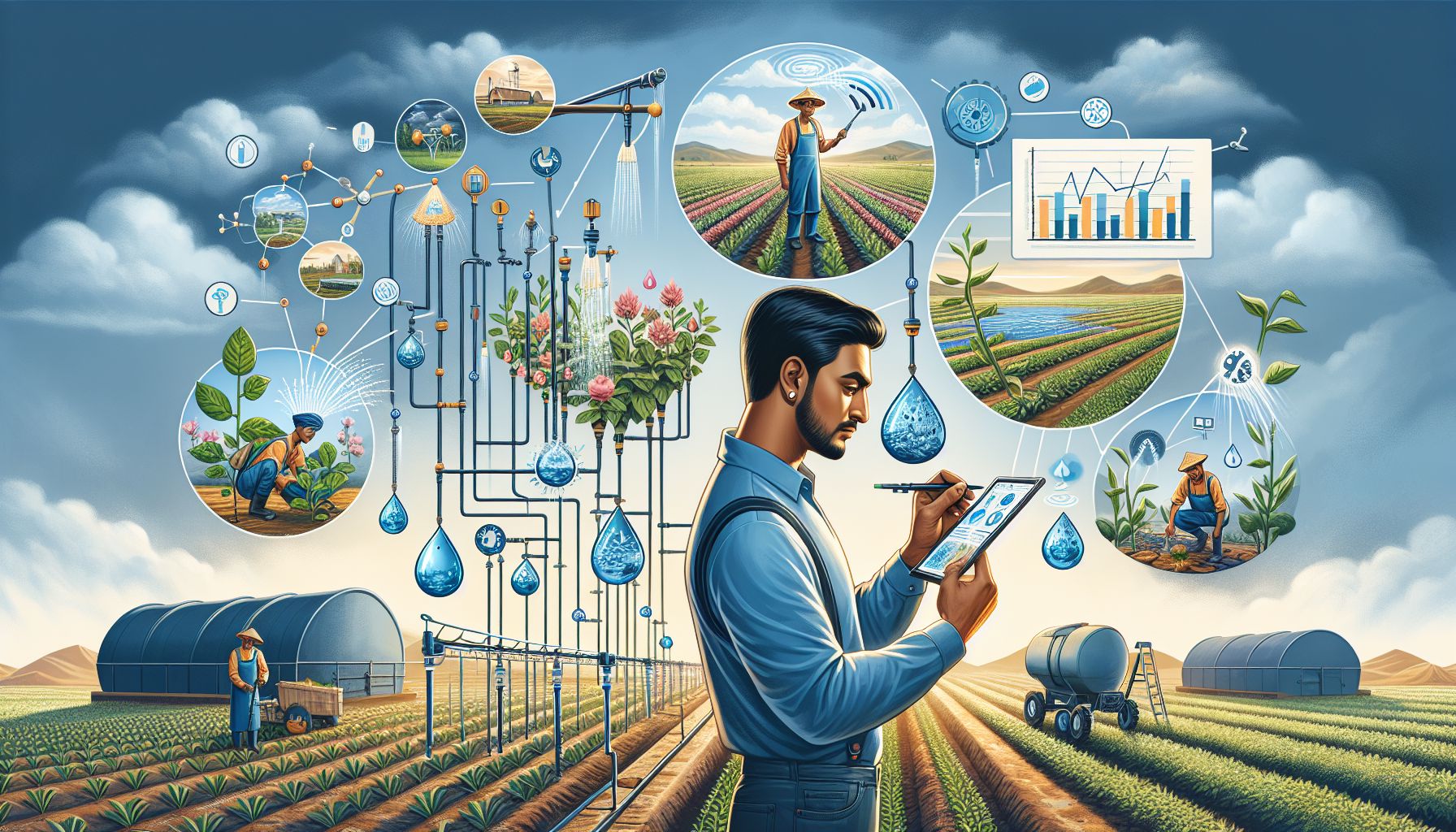
Agriculture is a cornerstone of human civilization and sustenance, but it is also one of the largest consumers of water globally. With the increasing unpredictability of climate patterns and the occurrence of droughts, sustainable water management in agriculture has never been more critical to ensure food security and ecosystem health. In this article, we will explore various sustainable water management practices that are helping farmers mitigate water scarcity and reduce their environmental impact.
Introduction to Sustainable Water Management in Agriculture
Water management in agriculture is a balancing act between maximizing the productivity of crops and minimizing the ecological footprint of farming practices. Sustainable water management aims to meet these objectives through practices that promote water conservation, improve water use efficiency, and ensure long-term availability of water resources for both human needs and the environment.
Importance of Sustainable Water Management
As the global population continues to grow, so does the demand for agricultural products. However, water resources are finite, and their over-exploitation can lead to serious consequences including:
- Aquifer depletion
- Degradation of soil and water quality
- Loss of biodiversity
- Aggravation of watershed health
The use of sustainable water management practices is critical for mitigating these issues, ensuring that water is available for future generations, and maintaining the health of our ecosystems.
Key Sustainable Water Management Practices
1. Improved Irrigation Techniques
Conventional flood irrigation is highly inefficient, with large amounts of water lost to evaporation and runoff. Switching to improved irrigation systems such as drip irrigation or sprinkler systems can significantly reduce water wastage.
Drip Irrigation:
Drip irrigation delivers water directly to the plant’s root zone, reducing evaporation and runoff. It also facilitates the efficient use of fertilizers and decreases the chances of plant disease by minimizing water contact with the leaves.
Sprinkler Systems:
Sprinkler systems can be adjusted to the specific needs of the crop and weather conditions, ensuring water is used optimally.
2. Monitoring Soil Moisture
Using soil moisture sensors can help farmers better understand when crops need water, reducing unnecessary irrigation. This technology aids in optimizing the irrigation schedule and volume.
3. Water Harvesting
Collecting rainwater through catchments or ponds allows for the storage of water that can be used during dry periods. This harvested water can supplement the main water supply and act as insurance against drought.
4. Agroforestry
Integrating trees into farming systems can improve water infiltration and reduce evaporation from the soil. Trees also contribute to increased biodiversity and soil fertility.
5. Cover Cropping
Growing cover crops during off-season periods helps to maintain soil structure, prevent erosion, and increase water retention capacity in the soil.
6. Soil Conservation Techniques
Creating terraces on sloped land, building contour bunds, and employing no-till farming are practices that help retain soil moisture and reduce the need for irrigation.
7. Mulching
Applying a layer of organic material on top of soil can protect against moisture loss through evaporation and suppress weed growth, which competes with crops for water.
8. Efficient Water Pumps and Renewable Energy Sources
Using energy-efficient pumps and sourcing energy from solar or wind power can reduce the carbon footprint and energy costs associated with irrigation.
9. Crop Rotation and Diversification
Rotating crops and growing diverse types of plants can improve soil health and lead to better water usage. Some crops might be more resistant to drought or have lower water requirements.
Implementing Sustainable Practices
The adoption of sustainable water management practices involves planning and investment. Here’s how it can be implemented:
-
Education and Training:
Farmers must be educated about the benefits and techniques of sustainable water management. Extension services and workshops can provide the necessary knowledge. -
Government Incentives:
Subsidies or tax breaks can encourage farmers to invest in more efficient irrigation systems or rainwater harvesting infrastructure. -
Public-Private Partnerships:
Collaborations between governments, NGOs, and the private sector can facilitate the development of infrastructure and technology for sustainable water management. -
Community-Based Approaches:
Water user associations and cooperative management of water resources can ensure that sustainable practices are broadly adopted and maintained.
Challenges to Sustainable Water Management
Despite the clear benefits, there are several challenges to the widespread adoption of sustainable water practices, including:
-
High Initial Costs:
The investment required for new technologies and infrastructure can be prohibitive for small-scale farmers. -
Lack of Knowledge:
Some farmers may not be aware of sustainable techniques or how to implement them effectively. -
Resistance to Change:
Changing established farming practices can be difficult, especially if there are uncertainties about the outcomes of new methods. -
Access to Resources:
In some regions, farmers may not have access to the necessary tools or materials to implement these practices.
Conclusion
Sustainable water management in agriculture is not just about conservation; it is about transforming the way we grow our food to be in harmony with the natural environment. By integrating practices that reduce water use, protect water quality, and enhance ecological health, the agricultural sector can contribute significantly to the sustainability of water resources.
Implementing sustainable water management practices is indeed a challenge, but with greater awareness, education, and support, we can equip our farmers with the tools they need to adapt to changing conditions and protect our precious water resources for future generations.
References
- “Sustainable Agricultural Practices and Water Quality” – USDA
- “Drip irrigation saves water and fertiliser by allowing water to drip slowly to the roots of plants” – FAO
- “Agroforestry: Integrating trees into the farming system” – World Agroforestry
By employing a mix of these practices, agriculture can become more resilient and environmentally sustainable, ensuring that we effectively steward our water resources while still providing for the ever-growing needs of humanity.