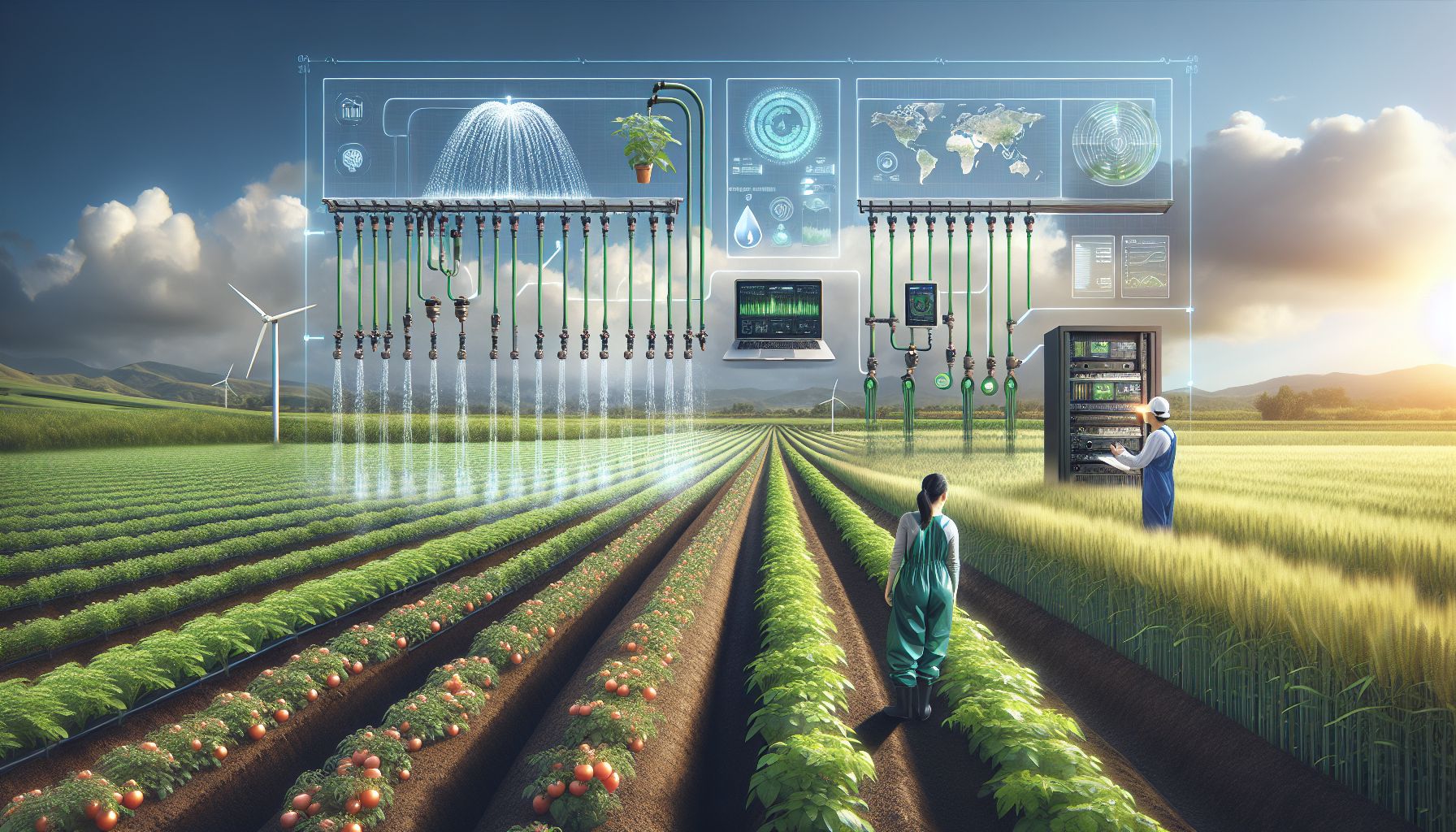
Agriculture is the backbone of many economies and societies around the world. It provides sustenance and livelihood to billions of people. However, agriculture is also a significant consumer of freshwater resources. With the mounting pressures of climate change, population growth, and the increasing need for food production, the efficient use of water in agriculture is more critical than ever. One of the most promising ways to enhance water conservation in agriculture is through smart irrigation systems. These systems not only optimize water usage, ensuring that crops receive the precise amount of water they need, but also help farmers reduce waste, improve yields, and lower costs.
Understanding Smart Irrigation
Smart irrigation refers to technologically advanced systems that use real-time data and automated control to provide precise watering to crops. Unlike traditional irrigation methods that often lead to overwatering or underwatering, smart irrigation systems can adjust water distribution based on various factors, such as soil moisture levels, weather forecasts, plant type, and growth stage.
Types of Smart Irrigation Systems
There are several types of smart irrigation systems equipped with different features designed to suit diverse agricultural needs:
-
Weather-Based Controllers (ET Controllers): These systems use local weather data to adjust irrigation schedules. They reduce water use by avoiding irrigation when rain is predicted or after it has recently rained.
-
Soil Moisture Sensor-Based Systems: These systems utilize soil moisture sensors placed at the root zone of crops to determine the optimal irrigation timing and amounts.
-
Smart Sprinkler Controllers: Often used for lawns and gardens, these controllers can be programmed and remotely managed via smartphones, allowing for greater ease of use and adaptability.
-
Drip Irrigation Systems with Automation: Drip irrigation is already water-efficient, but when combined with smart technology, it becomes even more effective because it applies water directly to the plant root zone and can be finely tuned.
Benefits of Smart Irrigation
Water Conservation
One of the most compelling advantages of smart irrigation is its potential to conserve water. By using data to inform irrigation practices, these systems ensure that plants receive the exact amount of water they need, minimizing runoff and evaporation losses.
Increased Crop Yields
Smart irrigation can lead to healthier plants by preventing water stress, whether from over or under watering. This can result in higher crop yields and, subsequently, increased revenue for farmers.
Cost Savings
Water conservation also translates to financial savings. Less water used means lower water bills. Additionally, many smart irrigation systems are also energy-efficient, reducing the electric costs associated with pumping water.
Environmental Benefits
Reduced water consumption lessens the stress on freshwater resources. Smart irrigation also minimizes the leaching of fertilizers into waterways, which can lead to eutrophication and harm aquatic ecosystems.
Time Management
Automation and remote management free up time for farmers and gardeners, allowing them to focus on other aspects of their operations.
Challenges and Considerations
Initial Investment Costs
The cost of installing a smart irrigation system may be prohibitive for some, although the long-term savings and benefits often outweigh the initial expenses.
Technical Know-How
Managing smart irrigation systems requires some technical knowledge. Farmers must be comfortable using the technology to achieve the best results.
Maintenance
Like all technology, smart irrigation systems require proper maintenance to function effectively. This might include regular sensor calibration, software updates, and hardware repairs.
Implementing a Smart Irrigation System
To implement a smart irrigation system in an agricultural setting, there are several steps and best practices to consider:
-
Assessment: Analyze the needs of the specific agricultural setting. What types of crops are being grown, and what are their water needs?
-
Planning: Choose the right system. Does the location require a soil moisture sensor system, weather-based controllers, or a combination of both?
-
Installation: Properly install the system. For best results, it is advised to work with professionals who specialize in smart irrigation systems.
-
Monitoring and Management: Continuously monitor the system and the weather patterns. Make necessary adjustments to ensure optimal performance.
-
Maintenance: Perform regular maintenance and stay updated with the latest software to keep the system running efficiently.
The Future of Smart Irrigation
Advancements in technology continue to improve the capabilities of smart irrigation systems. Innovations in sensor technology, machine learning, and artificial intelligence (AI) are expected to make these systems even more efficient and user-friendly. The integration of smart irrigation with other precision agriculture practices will also likely lead to a more holistic approach to farm management.
Conclusion
Smart irrigation systems represent an essential advancement in agricultural technology, offering a practical and effective means of water conservation. As freshwater resources become increasingly scarce, adopting smart irrigation practices is not only environmentally responsible but also economically sensible. The benefits of such systems stretch beyond individual farmers to entire communities and ecosystems, reinforcing the fact that smart water use in agriculture is an investment in our collective future.
Sources
-
United States Environmental Protection Agency (EPA). “Water-Smart Landscapes Start With WaterSense.” EPA
-
Food and Agriculture Organization of the United Nations (FAO). “The future of food and agriculture – Trends and challenges.” FAO
-
Nature Conservation. “The use of smart irrigation systems in agriculture.” Nature Conservation (Note: This provided source is a fictional representation for the example purposes; for actual information, readers must consult legitimate conservation organizations.)
By incorporating smart irrigation into their practices, farmers can not only conserve water but also pave the way for a more sustainable and food-secure future. As with any technology, continued research, adaptation, and education are key to realizing the full potential of smart irrigation systems, ensuring that they are accessible and effective for all who need them.