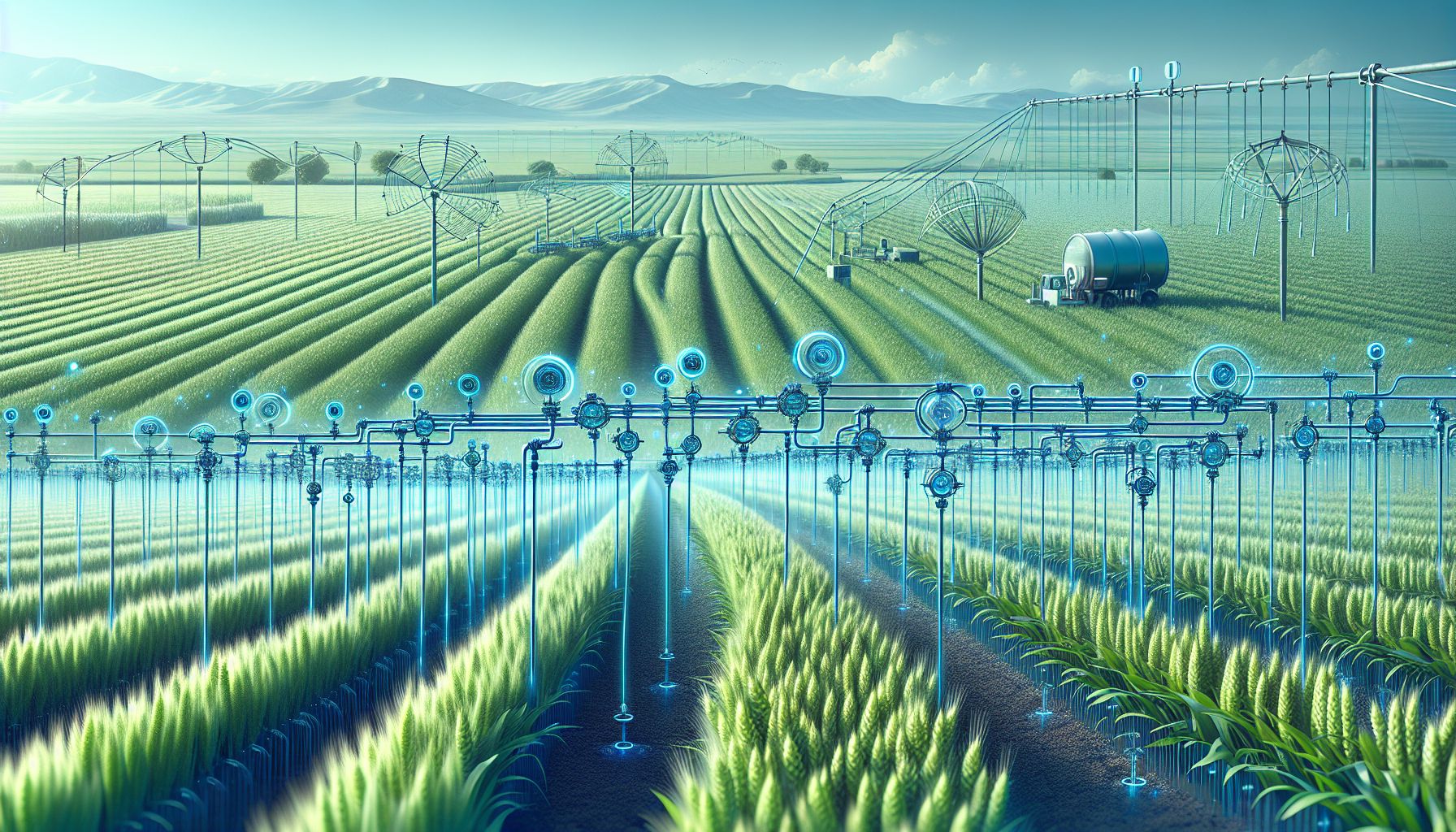
Agriculture is a vital industry, feeding the world’s population and underpinning many economies around the globe. However, it’s also a sector that consumes a significant amount of the planet’s freshwater resources. As such, finding ways to conserve water while maintaining or even boosting crop yield is of paramount importance. One of the most effective tools for achieving this is through the implementation of smart irrigation systems. In this comprehensive article, we’ll delve into the benefits, mechanisms, and advancements in smart irrigation systems that are helping agriculturalists conserve water and sustain their livelihoods in an increasingly water-stressed world.
Introduction to Smart Irrigation
Traditional irrigation methods often involve the manual control of water distribution to crops, which can lead to either over or under-watering. Smart irrigation systems introduce precision to this process, using technology to optimize water use. These systems can take into account factors such as soil moisture levels, weather forecasts, plant water use, and evapotranspiration rates to deliver just the right amount of water at the right time.
Benefits of Smart Irrigation Systems in Agriculture
- Conservation of Water: Arguably the most significant advantage is the drastic reduction in water usage, helping to conserve a precious and increasingly scarce resource.
- Increased Crop Yields: Properly watered crops generally produce higher yields, and smart systems can prevent both stress from under-watering and issues from overwatering.
- Cost Savings: Less water use translates to lower water bills. Additionally, smart systems reduce the labor costs associated with manual watering.
- Environmental Protection: By preventing excess run-off, smart irrigation can reduce soil erosion and prevent fertilizers and pesticides from contaminating nearby water bodies.
Mechanisms Behind Smart Irrigation Systems
To understand how these systems work, let’s explore the technology and strategies they employ:
- Sensors: Soil moisture sensors, weather stations, and rain sensors collect data on the immediate needs of the crop and the surrounding environmental conditions.
- Controllers: These devices use the data from the sensors to make educated decisions about when and how much to water. They can be programmed to meet specific crop needs and to respond to live data input.
- Drip Irrigation: This method delivers water directly to the root zone of plants, reducing evaporation and runoff.
- Sprinkler System Adjustments: Smart systems can adjust the output of sprinkler systems, tailoring water delivery to precise requirements.
Advancements in Smart Irrigation Technology
Cutting-edge smart irrigation technologies are transforming agricultural water management:
- Machine Learning and Predictive Analytics: Systems can learn the watering needs of crops over time, becoming more efficient with each growing season.
- Remote Monitoring and Control: Farmers can now manage their irrigation systems from a smartphone or computer, making adjustments in real-time from any location.
- Integration with Drones and Robotics: Unmanned aerial vehicles and ground robots can provide detailed data on crop conditions, further refining irrigation practices.
Implementation of Smart Irrigation Systems
The transition to intelligent irrigation must be thoughtful and systematic. Here’s a step-by-step on how to implement these systems:
- Assessment of Needs: Determine the specific requirements of the crop and the area’s water availability and regulations.
- Choosing the Right System: Select the appropriate technology that aligns with the farm’s size, budget, and crop needs.
- Education and Training: Ensure that all personnel managing the system are adequately trained.
- Monitoring and Adjusting: Continually monitor the system’s performance and make adjustments as necessary to improve efficiency.
Challenges and Considerations
While the benefits of smart irrigation are clear, adopting such systems does come with its set of challenges:
- Initial Costs: The upfront investment in technology can be significant.
- Technology Adoption: There may be resistance to adopting new methods, especially in regions with traditional farming practices.
- Maintenance: Like all technologies, smart irrigation systems require ongoing maintenance to function correctly.
Conclusion
Smart irrigation systems represent an essential step forward in water conservation for agriculture. By combining advanced technology with a deep understanding of crop watering needs, these systems can ensure that every drop of water is used efficiently. As the agricultural industry continues to evolve with the aim of sustainability, smart irrigation will undoubtedly play a pivotal role.
Sources
- Water Conservation in Agriculture. (n.d.). U.S. Department of Agriculture. https://www.usda.gov/topics/water/conservation
- Benefits of Smart Irrigation Systems. (n.d.). Irrigation Association. https://www.irrigation.org/IA/Resources/Benefits-of-Smart-Irrigation-Systems
- Smart Water Use on Your Farm or Ranch. (n.d.). Sustainable Agriculture Research & Education. https://www.sare.org/Learning-Center/Bulletins/Smart-Water-Use-on-Your-Farm-or-Ranch
Engaging in smart irrigation practices has never been more critical as the world grapples with the realities of a changing climate and the stress on water resources. With intelligent application and continuous innovation, smart irrigation systems not only bolster water conservation efforts but also support a thriving, sustainable agricultural sector that is fundamental to our global food security.