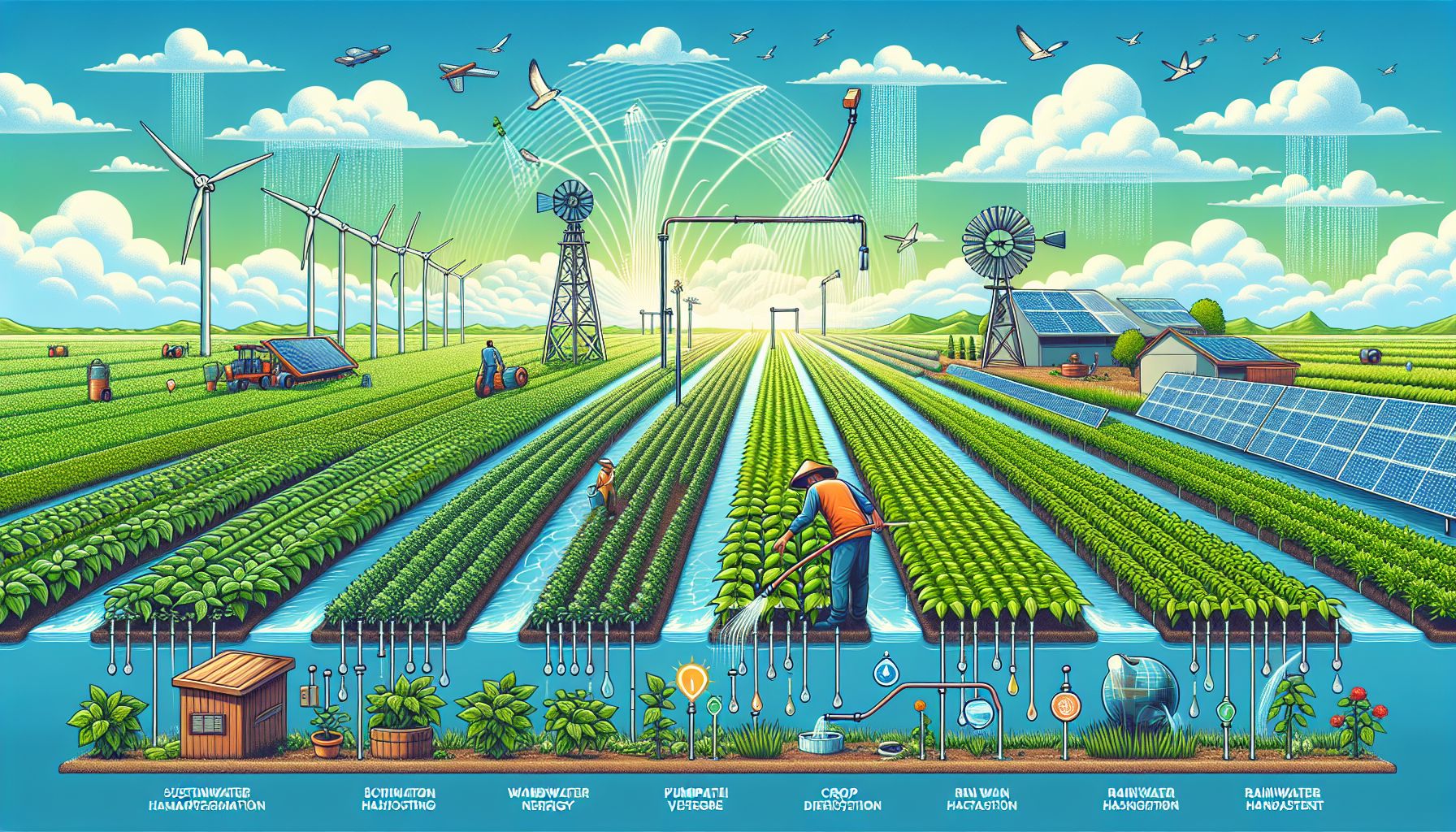
Agriculture is a sector that is vitally dependent on water, using a significant share of available freshwater resources worldwide. Effective management of water resources in agriculture is crucial, especially in the face of growing concern over water scarcity, climate change, and the need to feed a growing global population. This article will explore an array of sustainable water management practices that can make agriculture more efficient and less wasteful.
Understanding Sustainable Water Management
Sustainable water management in agriculture involves a set of practices and techniques aimed at optimizing water use efficiency while minimizing adverse impacts on the environment. It encompasses managing water in a way that balances the needs of agricultural production with those of the ecosystem and other water users.
The Importance of Sustainable Water Management in Agriculture
Before diving into specific practices, it’s essential to acknowledge why sustainable water management is critical:
- Food Security: Efficient water management ensures consistent and ample crop yields, which is fundamental for food supply and stability.
- Environmental Conservation: Reducing runoff and water wastage helps maintain local ecosystems and biodiversity.
- Economic Viability: Cost-effective practices can improve farmers’ livelihoods by maximizing yield per unit of water.
- Resilience to Climate Change: Adequate management of water resources contributes to agricultural resilience against extreme weather events.
Water Management Practices
1. Soil Moisture Conservation
Soil moisture conservation focuses on enhancing soil health to retain water better. Techniques such as mulching, cover cropping, and reduced tillage can reduce evaporation and improve the water-holding capacity of the soil.
Sources:
– Soil Water Conservation
2. Rainwater Harvesting
Capturing and storing rainwater for agricultural use can mitigate water scarcity. Rainwater harvesting systems range from simple barrels to more complex structures like ponds and reservoirs.
Sources:
– Rainwater Harvesting in Agriculture
3. Micro-Irrigation Systems
Micro-irrigation, including drip and sprinkler systems, delivers water directly to the plant roots, significantly reducing water loss compared to traditional irrigation methods.
Sources:
– Micro-irrigation for Sustainable Water Use
4. Crop Selection and Rotation
Strategically choosing crop species that are better adapted to local climate conditions or that require less water can reduce agricultural water demand. Crop rotation also helps improve soil health and thus its water retention.
5. Contour Farming and Terracing
In sloped areas, contour farming and terracing can prevent soil erosion and runoff, helping retain water where crops need it most.
6. Managed Aquifer Recharge
Recharging aquifers through techniques such as percolation tanks, infiltration basins, and artificially enhanced natural processes contributes to sustainable groundwater use.
7. Precision Agriculture
Modern precision agriculture techniques utilize data and technology to apply water and inputs such as fertilizer more accurately, reducing waste and limiting environmental impacts.
Sources:
– Precision Irrigation Management
Conclusion
Sustainable water management practices for agriculture are essential to ensuring water security and environmental sustainability. The adoption of these techniques can lead to more resilient agricultural systems, improved farmer livelihoods, and contribute to global efforts to manage water resources more responsibly.
Implementing such practices requires education, policy support, and often, the cooperation of various stakeholders from farmers to governments. As we move towards an increasingly uncertain water future, it becomes all the more important for agricultural sectors worldwide to embrace these sustainable water management practices.