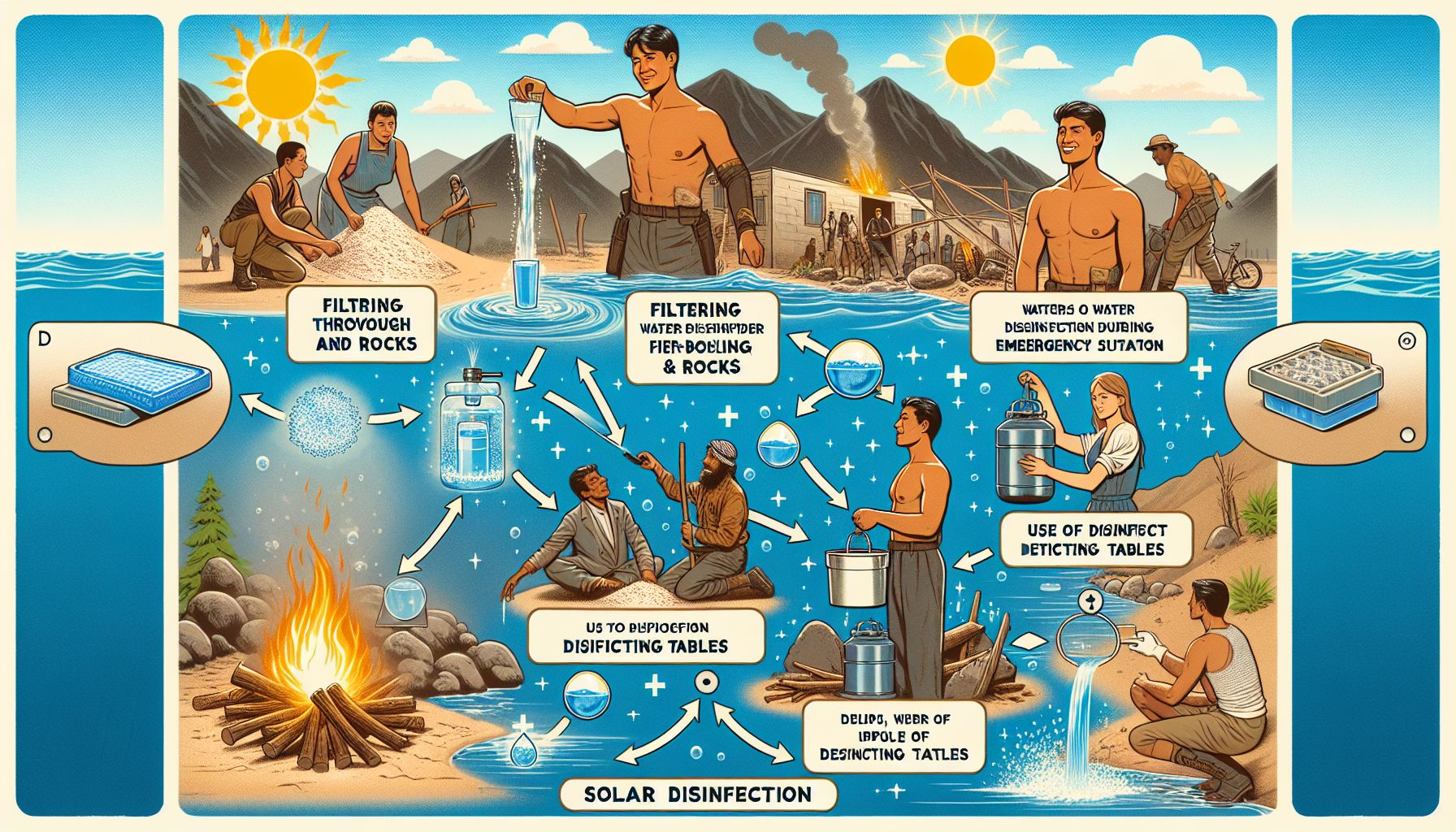
Waterborne diseases are a severe threat to public health, especially in emergency situations such as natural disasters, humanitarian crises, or conflict zones where the regular water supply may be disrupted. Quick, efficient, and scalable disinfection methods become critical to securing safe drinking water for affected populations. In this article, we explore various effective water disinfection methods utilized in emergency situations that ensure the safety and well-being of individuals through the provision of clean drinking water.
Understanding Waterborne Diseases
Before we dive into disinfection methods, it is vital to understand the enemy we face. Waterborne diseases are caused by pathogenic microorganisms such as bacteria, viruses, and protozoans that are transmitted through contaminated water. Common illnesses include cholera, dysentery, typhoid fever, and Hepatitis A. The World Health Organization (WHO) reports that diarrhoeal diseases alone account for approximately 1.5 million deaths annually, mostly among children in developing countries.
Challenges in Emergency Situations
In emergency situations, the usual water treatment infrastructure may be damaged or non-operational. Furthermore, individuals are often displaced, living in temporary shelters with limited access to clean water. The priority is to provide high-volume water treatment methods that are portable, quick to implement, and able to function without sophisticated infrastructure. Water disinfection in such contexts has to overcome challenges such as:
- Varied Water Quality: The available water sources may contain physical, chemical, and biological contaminants.
- Resource Limitations: There may be a scarcity of fuel, electricity, or chemical disinfectants.
- Rapid Response Need: Solutions are needed that can quickly be put into place to prevent outbreaks of waterborne diseases.
- Scalability: The methods must be able to treat water for individual families up to large displaced populations.
Disinfection Methods for Emergency Situations
Boiling
Boiling is the simplest and most traditional method of water disinfection. When water reaches its boiling point (100°C or 212°F), most waterborne pathogens are killed. Boiling also helps remove some volatile chemicals and improve the water’s taste by driving off excess oxygen.
Pros:
- Effective against all types of pathogens.
- Does not require sophisticated equipment.
Cons:
- Fuel-dependent, which may be scarce.
- Not practical for large scale operations.
- Time and resource-consuming.
Chlorination
Chlorination involves adding chlorine or chlorine compounds to water – typically in liquid or tablet form. Chlorine is a powerful oxidant that destroys microbial organisms and can be added to large volumes of water.
Pros:
- Scalable and can treat large volumes quickly.
- Residual effect prevents recontamination during storage.
Cons:
- Can be harmful if not dosed correctly.
- Ineffective against some cysts and parasites.
- Possible resistance of some pathogens to chlorine.
Ultraviolet (UV) Light
UV disinfection uses short-wavelength ultraviolet light to inactivate microorganisms by disrupting their DNA, rendering them harmless. Portable UV disinfection units are now available and can be powered by solar panels or batteries.
Pros:
- Highly effective against viruses, bacteria, and protozoa.
- Fast and does not change the water’s taste.
Cons:
- Requires a power source.
- No residual disinfection.
- Turbidity can shield organisms from UV light.
Solar Disinfection (SODIS)
SODIS leverages the sun’s UV rays and heat to purify water. Contaminated water in clear plastic bottles is exposed to the sun for 6–48 hours. This method is best suited for small quantities in sunny climates.
Pros:
- Low-cost and accessible technology.
- Environmentally friendly with no chemicals needed.
Cons:
- Weather-dependent and requires a long exposure time.
- Limited to small quantities of water.
Ceramic Filtration
Ceramic filters are porous and can filter out bacteria, protozoa, and some viruses. They are often impregnated with silver, which acts as a bactericide. These filters can be set up as portable units in emergency situations.
Pros:
- Does not require electricity or chemicals.
- Can be cleaned and reused multiple times.
Cons:
- Need regular maintenance and cleaning.
- Limited flow rate not ideal for large-scale treatment.
Chemical Tablets and Drops
Chemical disinfectants like iodine and chlorine dioxide are available as tablets or drops. These products are lightweight, making them ideal for individual or small group use.
Pros:
- Easy to use and transport.
- Effective against most pathogens.
Cons:
- Potential allergic reactions to iodine.
- Chemical taste and smell in the water.
Strategies for Implementation
In emergency response planning, strategies for implementing these methods will vary based on the situation. Emergency responders may distribute chlorination tablets to individuals or set up centralized UV systems. A multi-barrier approach, combining methods such as filtration followed by chemical disinfection, is often recommended to ensure the highest water quality.
Training and Education
Successful water disinfection in emergencies also depends heavily on training and educating the affected people. Organizations such as the Red Cross or Médecins Sans Frontières (Doctors Without Borders) often conduct workshops to teach proper techniques for water disinfection using locally available resources.
Innovation and Future Directions
Researchers and organizations are continually working on more effective, affordable, and user-friendly water disinfection technologies for emergency use. These innovations aim to make water treatment more accessible and efficient for vulnerable populations.
Conclusion
In moments of crisis, access to clean water is a matter of life or death. A variety of effective methods exist for water disinfection in emergency situations, each with their pros and cons. The choice of method will depend on specific conditions, resources available, and the scale of the emergency. Effective implementation of these methods can drastically reduce the prevalence of waterborne diseases and save countless lives.
Sources:
- World Health Organization. Safer water, better health: Costs, benefits and sustainability of interventions to protect and promote health. https://www.who.int.
- Centers for Disease Control and Prevention. Emergency Water Supply Preparation. https://www.cdc.gov.
- Médecins Sans Frontières (Doctors Without Borders). Water and sanitation. https://www.msf.org.
In an emergency response situation, no single water disinfection method is universally applicable, but by carefully considering the context and resources, emergency response teams can make the right choice to safeguard the health of affected populations. Additionally, ongoing innovation and proper community engagement will continue to play vital roles in improving water disinfection strategies and preventing the spread of disease in crisis situations.