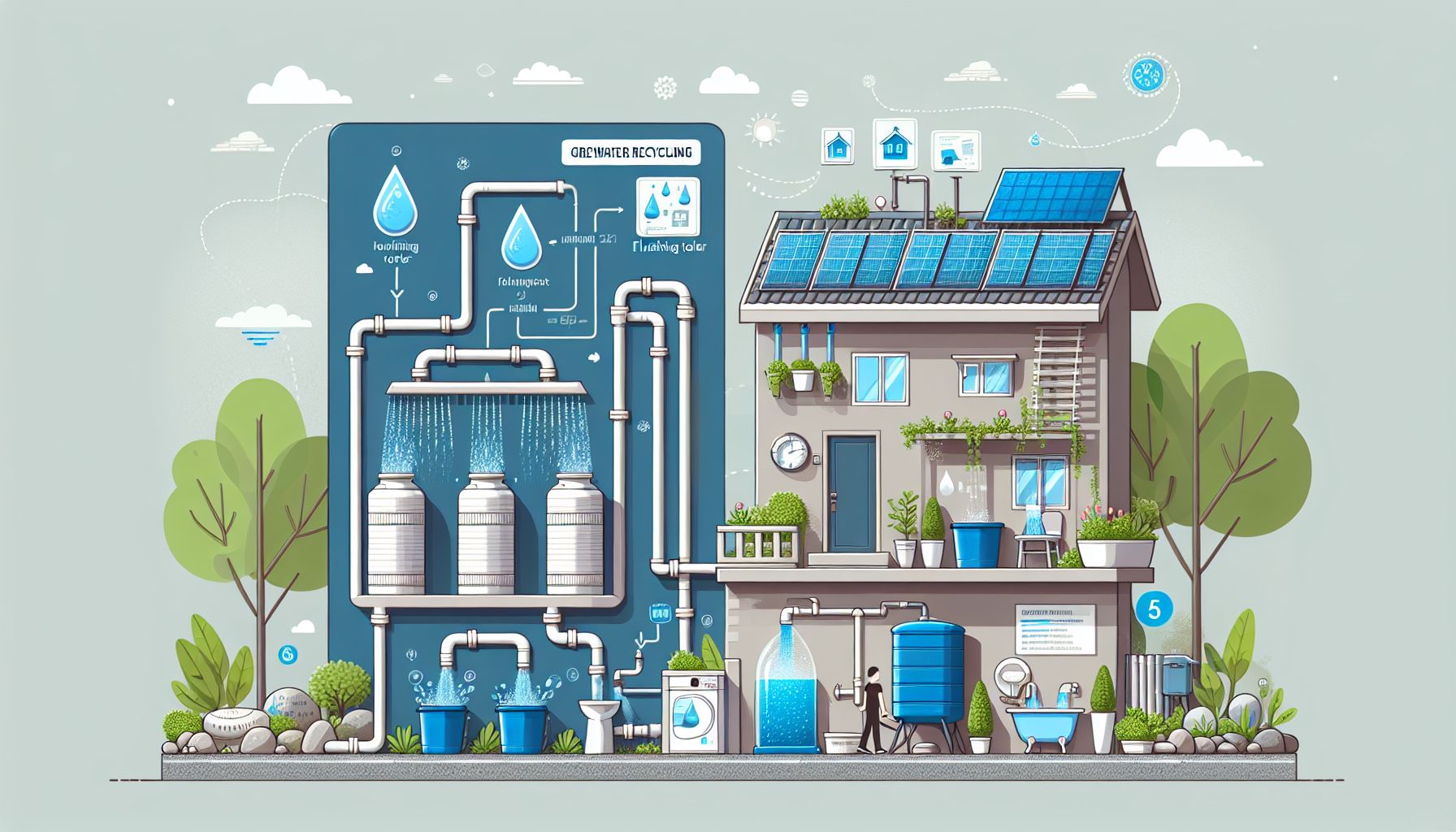
Water scarcity is becoming an increasingly critical global issue as populations rise and climate change exerts its influence on weather patterns and water resources. Greywater recycling—an innovative method of reusing water from showers, sinks, and laundry—can play a significant role in water conservation, especially in areas that are parched or where water is precious. This article delves into the benefits and implementation of greywater recycling systems, providing home and business owners with a comprehensive overview of how to integrate these systems for sustainability and efficiency.
What is Greywater?
Before we get into the nuances of recycling systems, it’s essential to understand what greywater is. Greywater can be defined as the relatively clean waste water that comes from baths, sinks, washing machines, and other kitchen appliances. It does not include water from toilets, which is classified as blackwater, and contains pathogens that can be hazardous to health.
Benefits of Greywater Recycling
Environmental Conservation
By reusing greywater, we significantly reduce the demand for fresh water. This not only conserves water sources but also minimizes the energy consumed and greenhouse gases emitted in water treatment and transportation.
Reduced Water Bills
Implementing a greywater system can lead to financial savings. Households and businesses will see a decrease in their monthly water utility bills as they source a portion of their water needs from the recycling system.
Sustainable Gardening and Landscaping
Greywater can be utilized directly for garden irrigation. Plants generally tolerate greywater well, and the trace nutrients and organic matter found in it can even promote healthier plant growth.
Lower Sewage Volume
Since greywater is diverted for reuse, the volume of wastewater needing treatment is reduced, thereby easing the load on sewage systems and treatment plants.
Components of Greywater Recycling Systems
A basic greywater recycling system typically includes:
- Filters: To remove lint, hair, and other debris.
- Pipes and Valves: For directing greywater from sources to the treatment or storage area.
- Pump or Gravity-based Transfer: Depending on the system design, to move greywater.
- Storage Tank: To hold the greywater temporarily.
- Disinfection Unit: To ensure that the recycled water is safe for reuse.
- Irrigation or Plumbing Infrastructure: For using the treated greywater for landscape irrigation or toilet flushing.
Types of Greywater Recycling Systems
Simple Diversion Devices
These are less costly and divert greywater without much treatment directly to landscape irrigation. Such systems often rely on gravity feed and are suitable for use where immediate reuse is possible.
More Complex Treatment Systems
These systems incorporate filtration, disinfection, and storage, making the treated water suitable for indoor reuse, such as in flushing toilets. They are more expensive and require regular maintenance but are highly efficient.
Greywater Recycling System Installation
1. Planning
Assess the amount of greywater your household or facility produces and determine the potential uses. This will guide the size and type of system you need.
2. Regulations and Permits
Check local regulations regarding greywater systems to ensure compliance. Some regions have strict rules which dictate system type and installation.
3. System Design
Design the system based on your needs, making sure components such as the filter and pump can handle the expected volume and treatment requirements.
4. Professional Installation
Although some simplistic systems can be DIY projects, for comprehensive greywater systems, professional installation ensures optimal functionality and adherence to safety codes.
Maintenance and Upkeep
Routine maintenance is vital for a greywater system to function effectively and safely:
- Regular Cleaning: Filters should be cleaned and replaced as necessary.
- System Checks: Regularly inspect pipes and the irrigation or plumbing system for leaks or clogs.
- Water Quality Testing: Periodically testing the water to ensure it remains safe for its intended use.
Challenges and Considerations
- Health and Safety: Inadequately treated greywater can be a health hazard. Appropriate treatment and disinfection are crucial.
- Costs: The initial outlay for a greywater system can be significant, deterring adoption.
- Public Awareness: Lack of understanding of greywater usage merits ongoing educational efforts.
Conclusion
Greywater recycling is not just a trend; it’s a necessity in a world where water is increasingly scarce. By understanding the specifics of greywater systems—from the benefits and setup to the installation and maintenance—we can take significant strides in sustainability and resource conservation.
An effective greywater system not only saves water but can also contribute to lowered utility expenses, support lush gardens, and demonstrate a commitment to environmental stewardship. Indeed, if more households and businesses adopt these systems, the collective positive impact on global water resources could be monumental.
Sources
-
The Water Project. (n.d.). “Water Conservation and Water Recycling.” https://thewaterproject.org/water-conservation/the-benefits-of-water-conservation
-
Greywater Action. (n.d.). “About Greywater Reuse.” https://greywateraction.org/about-greywater-reuse/
-
United States Environmental Protection Agency. (n.d.). “Water Recycling and Reuse: The Environmental Benefits.” https://www.epa.gov/waterreuse/water-recycling-and-reuse-environmental-benefits
By incorporating greywater recycling systems, we can change our approach to water usage, building a future where every drop is valued, and sustainability is the norm.