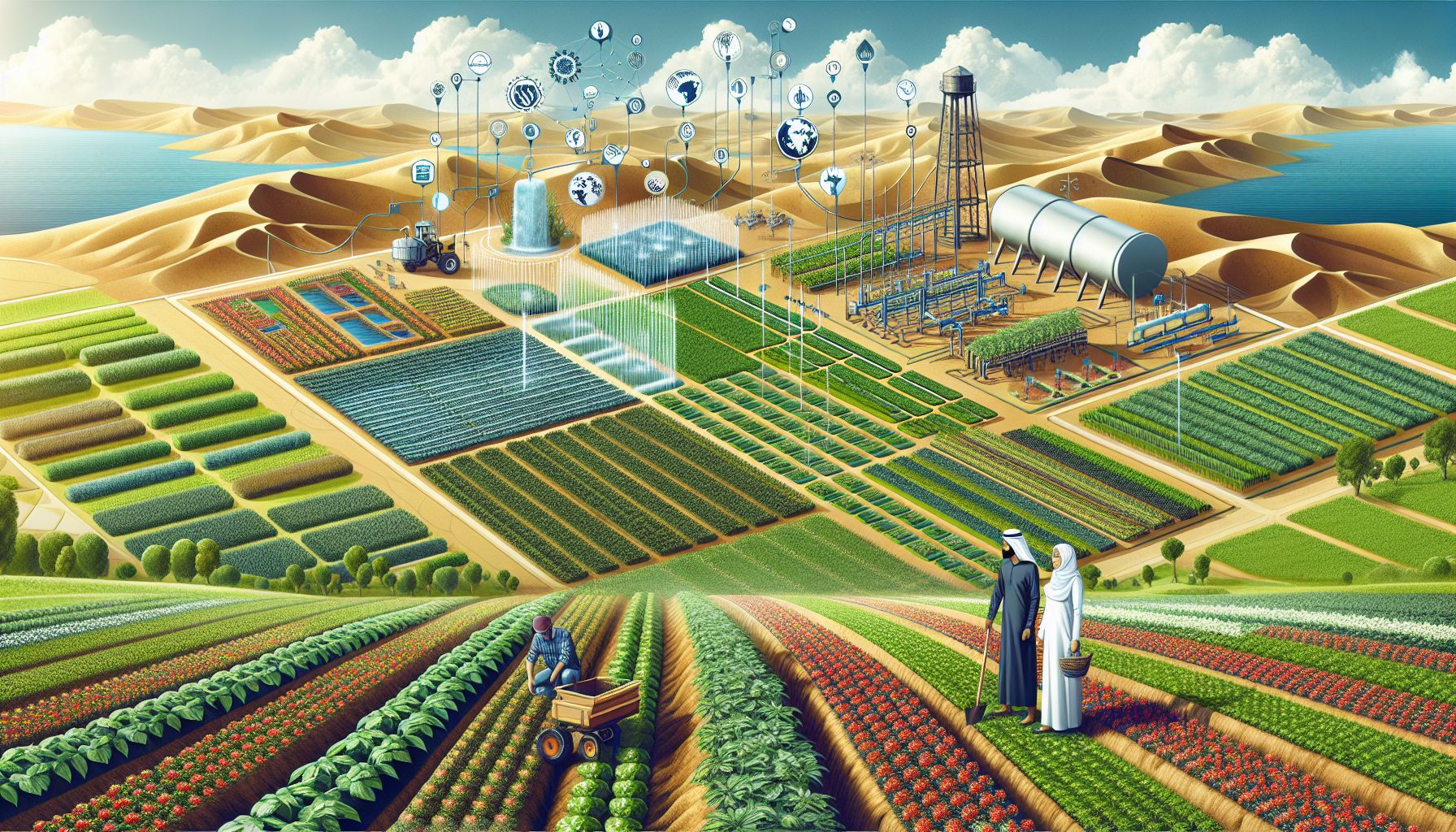
Agriculture has an immense impact on global water resources. Given that agriculture is the largest user of freshwater on the planet, consuming approximately 70% of the global freshwater supply, it’s crucial to implement sustainable water management practices. The goal of these practices is to meet the water needs of agriculture without compromising the ability of future generations to meet their own needs. This involves the careful management of both the quantity and quality of water used.
In this comprehensive article, we will delve into a variety of sustainable water management practices that can be utilized in agricultural settings. These practices aim to maximize efficiency and productivity while minimizing the environmental impact and ensuring the conservation of water resources for the future.
Content
- Understanding Sustainable Water Management in Agriculture
- Water-Efficient Irrigation Techniques
- Drip Irrigation
- Sprinkler Systems
- Furrow Irrigation Improvements
- Soil Moisture Management
- Mulching
- Conservation Tillage
- Rainfed Agriculture and Water Harvesting
- Crop Selection and Rotation
- Aquifer Recharge and Management
- Agroforestry and Buffer Strips
- Integrated Pest and Nutrient Management
- Wastewater Recycling in Agriculture
- Climate-Smart Agriculture
- Use of Technology for Water Management
- Conclusion
- Sources
Understanding Sustainable Water Management in Agriculture
Sustainable water management emphasizes the avoidance of depleting or polluting water resources and aims to balance the socio-economic needs with environmental sustainability. In agriculture, this involves a variety of practices that help conserve water, reduce waste, and improve water quality.
Water-Efficient Irrigation Techniques
Drip Irrigation
Drip irrigation is one of the most water-efficient methods of delivering water directly to the roots of plants. By slowly releasing water through pipes or tubing with small holes or emitters, this system reduces evaporation losses and prevents water runoff, ensuring that crops receive the exact amount of water they need.
Sprinkler Systems
Modern sprinkler systems, including center pivot and linear move systems, can be designed to reduce water usage. By using high-efficiency nozzles and adjusting system operations according to weather conditions, farmers can significantly reduce water waste.
Furrow Irrigation Improvements
Traditional furrow irrigation can be made more efficient with practices such as surge flooding and tailwater recovery systems, which help to reduce runoff and improve water penetration into the soil.
Soil Moisture Management
Mulching
Applying organic or synthetic mulch on the soil surface can help to retain soil moisture, reduce evaporation rates, and control soil temperature. This can lead to less frequent watering.
Conservation Tillage
Conservation tillage, which leaves crop residue on the field after harvest, covers the soil and reduces evaporation. It also improves soil structure and health, which enhances water retention and infiltration.
Rainfed Agriculture and Water Harvesting
Rainfed agriculture relies solely on rainfall as a water source and employs techniques to collect and conserve rainwater. Water harvesting structures, like ponds, tanks, and check dams, store rainwater for later use and help recharge local aquifers.
Crop Selection and Rotation
Selecting crops that are naturally adapted to the local climate and soil moisture conditions can greatly reduce the need for additional watering. Crop rotation, including the integration of cover crops, can improve soil structure and organic matter, enhancing the soil’s water-holding capacity.
Aquifer Recharge and Management
Artificial recharge basins, injection wells, and managed aquifer recharge (MAR) techniques help enhance groundwater resources by directing surface water into aquifers during times of surplus.
Agroforestry and Buffer Strips
Integration of trees into agricultural landscapes, known as agroforestry, can improve water management through increased infiltration and reduced runoff. Buffer strips of vegetation along waterways help filter out sediments and nutrients, preventing pollution.
Integrated Pest and Nutrient Management
Efficient use of fertilizers and pesticides, through precision agriculture techniques, ensures that these inputs are not washed away into water bodies, leading to contamination and wastage of water for dilution.
Wastewater Recycling in Agriculture
Treating and reusing wastewater in agriculture can conserve fresh water and reduce pollution. It also provides valuable nutrients to crops if done appropriately.
Climate-Smart Agriculture
This approach takes into account changing climate conditions and utilizes forecasting and adaptive technologies to manage water use in anticipation of droughts or heavy rainfall events.
Use of Technology for Water Management
Modern technologies such as precision agriculture, remote sensing, and decision support systems help farmers use water more efficiently by providing detailed information on soil moisture, climate conditions, and crop water needs.
Conclusion
Sustainable water management is crucial for securing the future of agricultural production and the health of our environment. By adopting the practices outlined above, farmers can contribute to water conservation, maintain the quality of water resources, and improve the resilience of agricultural systems in the face of growing environmental pressures.
Sources
- Postel, S., Richter, B. (2012). “Rivers for Life: Managing Water For People And Nature”. Island Press.
- Food and Agriculture Organization of the United Nations. (2020). “The State of Food and Agriculture 2020.” Web: http://www.fao.org/3/i9253en/I9253EN.pdf
- U.S. Department of Agriculture. (2017). “Irrigation and Water Use.” Web: https://www.ers.usda.gov/topics/farm-practices-management/irrigation-water-use/