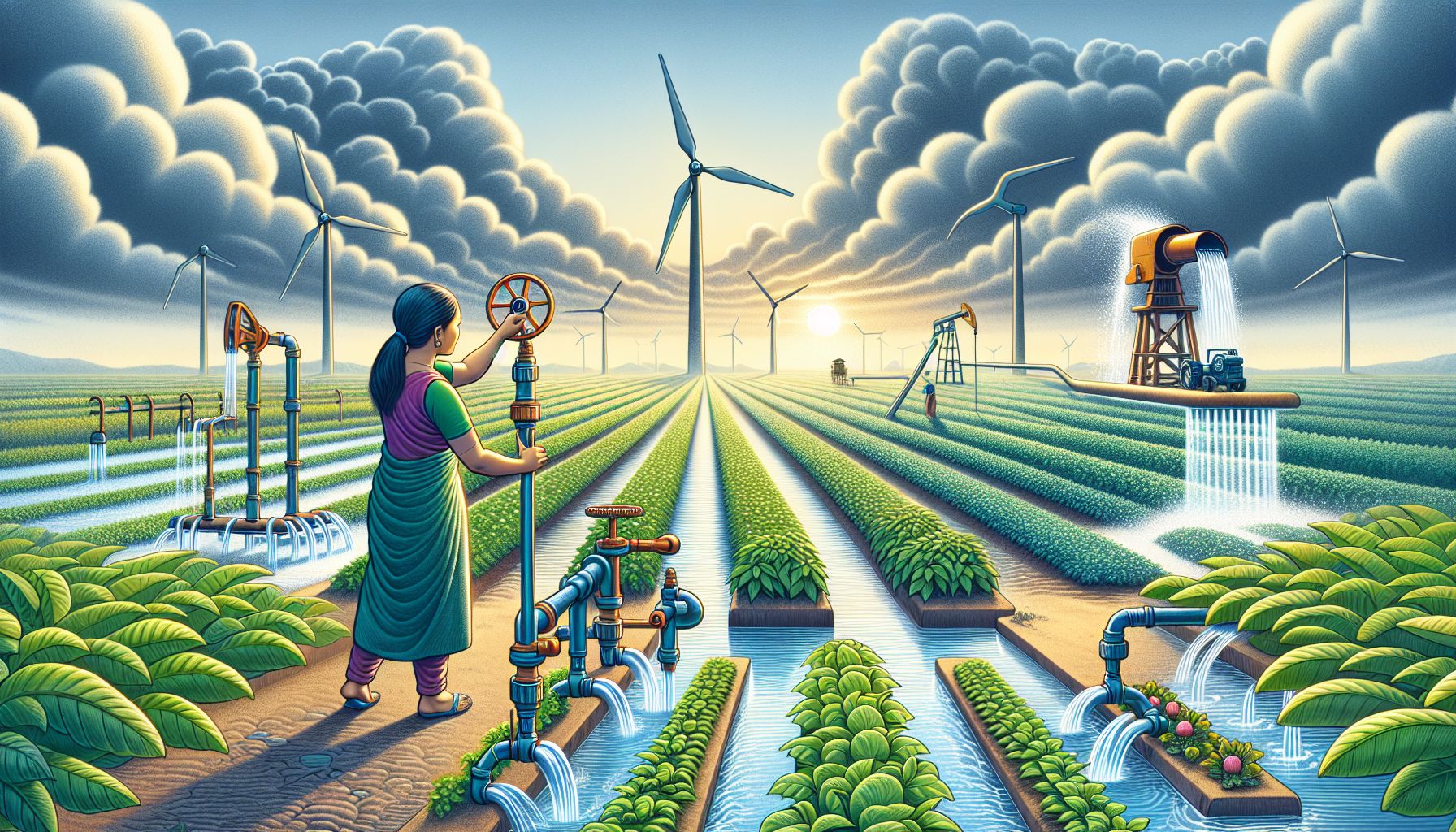
Agriculture is the largest consumer of freshwater resources around the world, accounting for approximately 70% of all freshwater withdrawals globally. With the growing concern over water scarcity and the need to provide sufficient food for an ever-increasing population, sustainable water management in agricultural practices has become imperative. In this article, we will explore various sustainable water management techniques that can help farmers conserve water, improve crop yields, and support the environment.
Understanding the Importance of Water in Agriculture
Water is a fundamental resource for agriculture, not only for irrigation but also for livestock, aquaculture, and various other farming activities. Plants require water for photosynthesis, nutrient uptake, and maintaining cell structure. However, the way water is managed in agriculture can have profound effects on both the quantity and quality of water available for other uses and ecosystems.
Challenges in Agricultural Water Management
The challenges in managing water for agriculture are significant. They include:
- Increasing water scarcity due to over-extraction and pollution
- Inefficient water use and wastage in irrigation systems
- Climate change impacts causing unpredictable water availability
- Degradation of water quality from agricultural runoff
In light of these challenges, adopting sustainable water management practices becomes not just beneficial but essential for the longevity of agriculture and the health of global water resources.
Sustainable Water Management Techniques for Agriculture
1. Irrigation Efficiency
a. Drip Irrigation: This method delivers water directly to the plant’s roots, dramatically reducing water loss due to evaporation and runoff. A study by the Food and Agriculture Organization has shown that drip irrigation can increase water efficiency by up to 90%.
b. Sprinkler Systems: While less efficient than drip irrigation, modern sprinkler systems can be designed to minimize water loss. For instance, low-angle sprinklers reduce wind drift and evaporation.
c. Scheduling: Watering plants at the right time of day, such as in the early morning or late evening, can reduce evaporation. Furthermore, soil moisture sensors can help in applying the right amount of water at the right time.
2. Water Harvesting
This involves capturing rainwater and runoff for later use. Simple methods like rain barrels or more elaborate systems like ponds and reservoirs can provide a supplementary water source, particularly useful during dry spells.
3. Conservation Tillage
By reducing tillage, the soil’s structure and organic matter are retained, enhancing its water-holding capacity. This practice not only conserves soil moisture but also benefits soil health and reduces erosion.
4. Crop Rotation and Cover Crops
Rotating crops and planting cover crops can improve soil organic matter, leading to better water infiltration and retention. By diversifying the crops, farmers can also reduce the water demands of their fields since different crops have different water requirements.
5. Mulching
Mulch acts as a barrier for the soil, reducing evaporation, maintaining lower soil temperatures, and conserving moisture. Organic mulches like straw or wood chips also improve soil fertility as they decompose.
Techniques to Improve Water Quality
Maintaining water quality is as essential as water conservation in sustainable management. Practices such as integrated pest management reduce the chemical runoff into water bodies. Additionally, constructing wetlands and riparian buffer zones can help filter out pollutants before they enter water systems.
Innovative Practices and Technologies
The following are some of the innovative methods that have been emerging:
6. Precision Agriculture
Precision agriculture employs technology like GPS and satellite imagery to apply water, fertilizers, and pesticides in accurate amounts and only where needed, thereby maximizing efficiency and minimizing waste.
7. Managed Aquifer Recharge (MAR)
This technique involves intentionally recharging groundwater basins to store excess surface water or recycled water during periods of surplus for future use, especially during shortages.
8. Agroecology and Permaculture
These are holistic approaches to farming that aim to create self-sufficient and sustainable agriculture ecosystems by mimicking natural processes, leading to greater resilience against drought and reducing water needs.
Policy and Education
No sustainable practice can be successful without supportive policies and educated farmers. Policies must incentivize the adoption of water-saving technologies and practices, while outreach programs and workshops can train farmers in the latest sustainable water management techniques.
Conclusion
Sustainable water management in agriculture is a multifaceted approach that integrates efficiency, conservation, and innovation. By incorporating these practices, farmers can significantly reduce water usage, preserve water quality, and contribute to the overall sustainability of the agricultural sector.
Implementing these techniques not only helps to secure the future of food production but also ensures that we conserve water for other uses and maintain the ecological balance of our water systems.
Sources
- Food and Agriculture Organization of the United Nations (FAO).
- The United States Geological Survey (USGS) – Irrigation Methods.
- National Resources Conservation Service (NRCS) – Conservation Practices.
Adopting these sustainable water management practices is not just the responsibility of the farmers; it is a collective responsibility to ensure the long-term availability and health of our planet’s water resources. With determined efforts and collaboration across different sectors and communities, we can pave the way for a more water-wise and sustainable future.