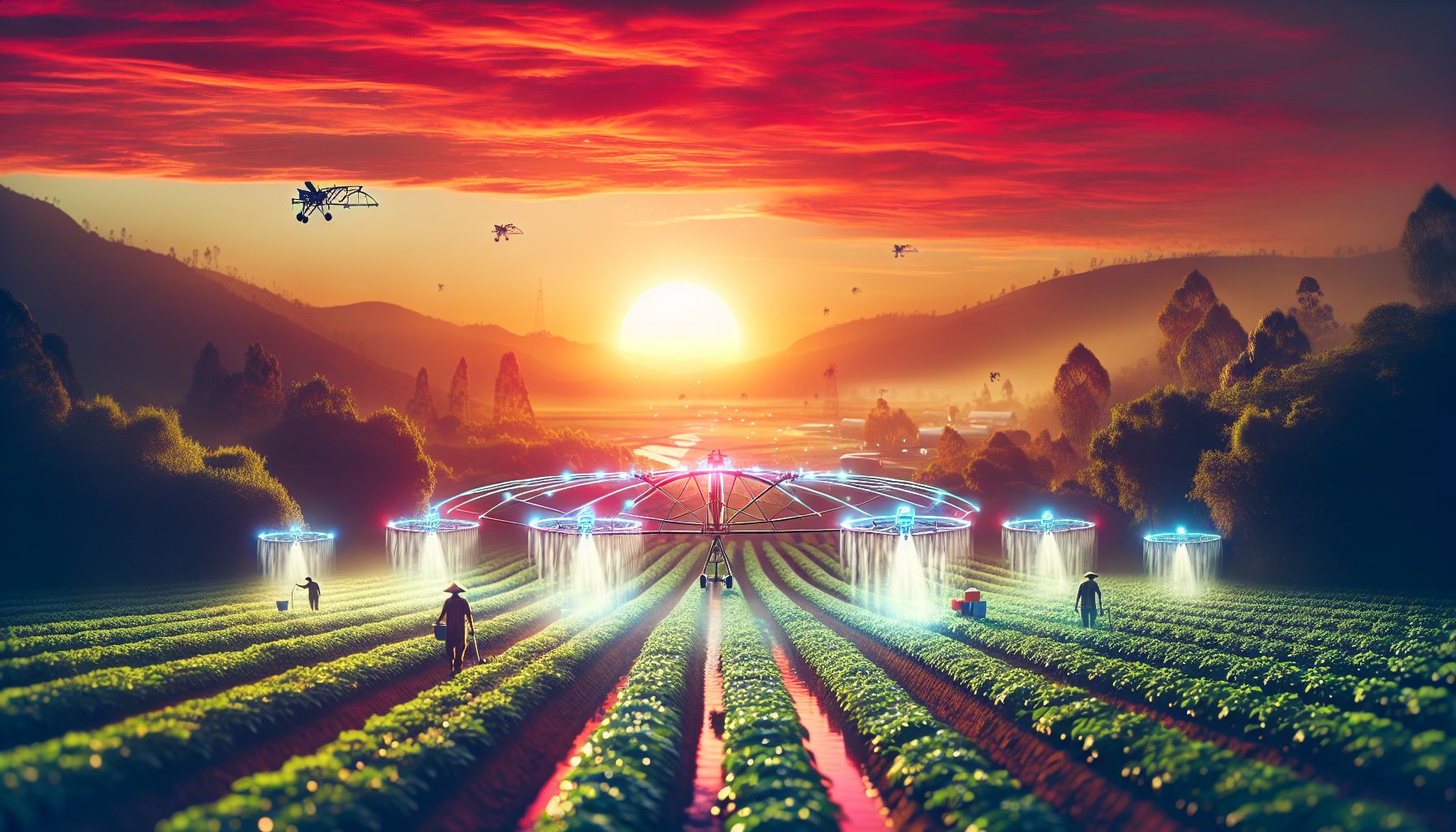
Agriculture is one of the largest consumers of freshwater around the globe. With rising concerns over water scarcity and the need for increased crop productivity to feed a growing population, the pressure on water resources is substantial. Smart irrigation is emerging as a game-changing solution that not only conserves water but also boosts crop yields and reduces the environmental impact of farming practices. In this article, we will explore various aspects of smart irrigation systems, how they contribute to water conservation, and why they are essential for the sustainable future of agriculture.
Understanding Smart Irrigation
Smart irrigation refers to the use of advanced technology to manage and control the watering of crops in a more precise and resource-efficient manner. This can include the use of sensors, weather forecasts, and data algorithms to inform the irrigation system’s decision-making processes.
The Role of Technology in Smart Irrigation
- Sensors: Soil moisture sensors, for example, can detect the actual need for water at the root of the plants, ensuring that they receive optimal amounts at the right time.
- Weather Data: Integration with local weather data can help predict rainfall and adjust irrigation schedules accordingly.
- Software and Automation: Centralized systems can automate irrigation processes, analyze vast amounts of data, and provide recommendations or adjust the irrigation practices without human intervention.
Benefits of Smart Irrigation Systems
1. Water Conservation
The primary benefit of smart irrigation systems is their ability to reduce water usage. Traditional irrigation methods like flooding or set timers often lead to overwatering, runoff, and wasted water. A smart system delivers water only when and where it is needed.
2. Increased Crop Yields
Efficient irrigation can lead to healthier plants by reducing the stress from under or overwatering, which can result in better yields.
3. Cost Savings
Reduced water use translates into lower costs. Additionally, irrigation costs also drop due to the optimization of energy use and maintenance requirements.
4. Environmental Impact
Smart systems help in reducing the leaching of fertilizers into groundwater and decrease runoff, which can carry pollutants to nearby water bodies.
5. Time Efficiency
These systems require considerably less manual intervention, saving time for farmers who can then focus on other critical tasks.
Key Components of a Smart Irrigation System
- Controllers: Act as the brain of the system, determining when and how much to water based on the data received.
- Sensors: Detect soil moisture, temperature, and other relevant data.
- Watering Devices: Such as sprinklers and drippers that deliver water.
- Connectivity: Systems often use wireless communication to exchange data and commands.
- Software: Analyzes data, generates insights, and controls the whole operation.
Smart Irrigation Practices
Precision Irrigation
Delivering water precisely at the root zone of each plant instead of unnecessary areas, notably reducing water waste.
Variable Rate Irrigation
Adjusting water flow based on the specific needs of different crop areas, acknowledging that not all parts of a field require the same amount of water.
Drip Irrigation
Delivering water slowly and directly to the plant base helps reduce evaporation and can be incorporated into smart systems for better performance.
Data-Informed Scheduling
Using historical, forecasted, and real-time data to tailor irrigation schedules to the exact needs of the crops.
Challenges and Considerations
Initial Investment
The upfront costs of installing a smart irrigation system can be significant, making it a considerable investment for farmers.
Technology Adaptation
Farmers need to have a certain level of technical competency or receive appropriate training to manage and utilize smart irrigation systems effectively.
Maintenance and Reliability
Although reduced, smart systems still require maintenance and can face technical issues, necessitating a backup plan for watering.
Data Security
The reliance on data and connectivity raises concerns about data privacy and security, an important aspect to consider in system design.
Case Studies of Success
Israel’s Agricultural Technology
Israel has been a pioneer in smart irrigation, with companies like Netafim leading the way. The country’s emphasis on drip irrigation and technology has allowed it to maintain a thriving agricultural sector in an arid climate.
California’s Central Valley
Facing severe droughts, farms in California’s Central Valley have turned to smart irrigation systems as a means of balancing agricultural demands with water scarcity, thus sustaining their businesses and managing resource use.
Future Innovations
The future of smart irrigation includes the integration of cutting-edge technologies such as artificial intelligence (AI) and machine learning for predictive analytics, drone and satellite imagery for precision agriculture, and the Internet of Things (IoT) for enhanced connectivity and control.
Conclusion
Smart irrigation systems represent a significant breakthrough in the effort to make agricultural practices sustainable and water-efficient. While there are challenges to widespread adoption, the potential benefits in terms of water conservation, productivity, and environmental impact are too substantial to ignore.
References
- [1]. “Smart Irrigation in Agriculture: Using Technology to Improve Water Use Efficiency.” https://www.fao.org/3/i6993e/i6993e.pdf
- [2]. “The Rise of Smart Irrigation.” https://www.pewtrusts.org/en/research-and-analysis/articles/2017/08/31/the-rise-of-smart-irrigation
- [3]. “Drip Irrigation and the Success of Israeli Agriculture.” https://water.org.il/en/drip-irrigation-success-israeli-agriculture/