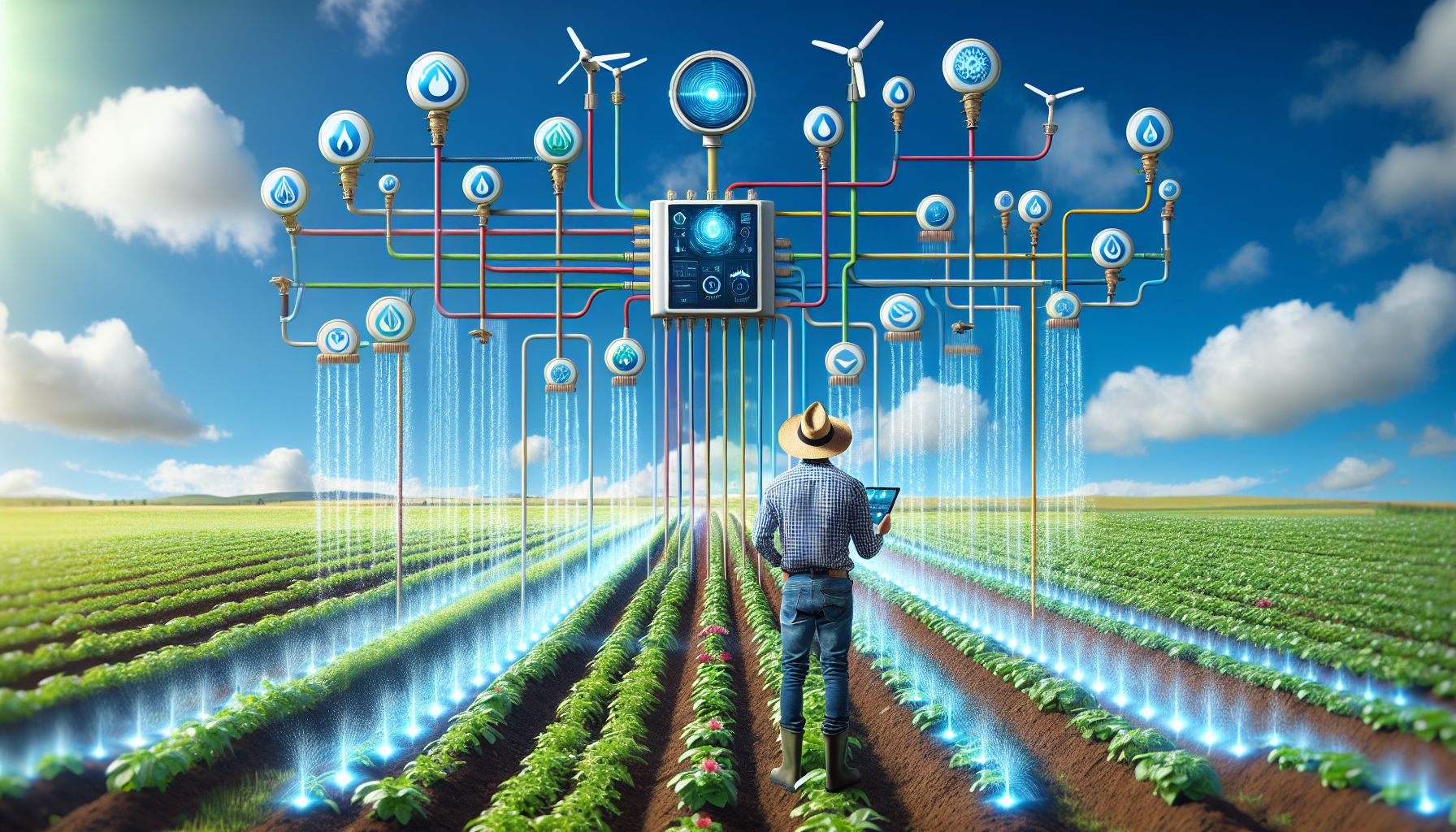
Agriculture has always been deeply intertwined with water. But as the world’s population grows and the impacts of climate change become more palpable, the importance of using this precious resource efficiently has never been more critical. Smart irrigation systems represent a leap forward in ensuring that water usage in agriculture is sustainable, reducing waste, and supporting the environment. In this article, we will delve into how smart irrigation systems are changing the agricultural landscape, conserving water, and helping to sustain the world’s food supply.
The Need for Water Conservation in Agriculture
Water is the lifeblood of agriculture. It is essential for the germination of seeds, the growth of plants, and the overall health of crops. However, traditional irrigation methods can be highly inefficient. According to the Food and Agriculture Organization (FAO), irrigation accounts for 70% of water withdrawal worldwide, but a significant portion of this water is lost due to over-irrigation, evaporation, or runoff.
The problems associated with inefficient water use are compounded in regions experiencing water scarcity. Climate change is exacerbating the issue, leading to unpredictable weather patterns, droughts, and a decrease in available freshwater resources. The need for smart irrigation is clear: we must manage our water resources better to ensure food security and environmental sustainability.
What are Smart Irrigation Systems?
Smart irrigation systems incorporate advanced technologies to optimize water usage in agricultural practices. These systems go beyond simply automating the watering process; they use data collected from various sensors to adapt to the specific needs of crops and the changing environmental conditions. The key components of a smart irrigation system include:
- Soil moisture sensors: These provide real-time data on the water content of the soil, allowing for precise watering.
- Weather station integrations: By factoring in the weather forecast, irrigation can be adjusted or halted to account for impending rain.
- Remote control and monitoring: Farmers can access and control their irrigation systems via a smartphone or computer, providing flexibility and convenience.
- Water flow meters: These measure the amount of water being used, encouraging accountability and revealing areas of potential waste.
- Automation: Systems can be set to water based on specific schedules or in response to soil and weather data, which significantly improves water-use efficiency.
Benefits of Smart Irrigation in Agriculture
Smart irrigation systems have numerous benefits both in terms of water conservation and agriculture, which include:
Enhanced Crop Yields
Optimal watering can lead to healthier crops and potentially higher yields, as plants receive the precise amount of water they need at the right times.
Water Conservation
By minimizing over-irrigation and reducing evaporation and runoff, less water is wasted—not only conserving this vital resource but also saving money on water bills.
Reduced Labor Costs
Automation reduces the need for manual intervention, saving time and labor resources that can be allocated to other farming tasks.
Data-Driven Decisions
Real-time data allows farmers to make informed decisions, enhancing the management of their crops and water resources.
Environmental Protection
With reduced runoff, there’s less chance of fertilizers and pesticides contaminating nearby water sources, protecting local ecosystems.
Case Studies
To really appreciate the effectiveness of smart irrigation, let’s consider a few real-world scenarios in which it has made a difference.
Case Study 1: California Almonds
In California—one of the U.S.’s key agricultural states facing serious drought conditions—farmers growing almonds have seen substantial benefits from smart irrigation. By using smart systems, these growers have managed to maintain production while reducing water usage [source: California Almond Board].
Case Study 2: Israeli Kibbutz
In Israel, a region known for its arid climate and innovative agricultural technologies, a Kibbutz in the Negev Desert implemented smart irrigation and was able to reduce water usage by 30% while improving crop yields by 5% [source: Netafim].
Implementation Challenges
Despite the clear benefits, the implementation of smart irrigation systems faces some challenges:
- Initial Costs: The upfront investment can be prohibitive for some farmers, though costs are decreasing over time.
- Technological Complexity: Farmers must be willing and able to engage with potentially complex systems, which may require training.
- Access to Technology: In developing countries, access to the technology and the infrastructure to support it might be lacking.
- Data Privacy: Concerns around data security and privacy may deter some farmers from adopting these systems.
Looking to the Future
The future of smart irrigation is indeed promising, with ongoing advancements in technology that promise even greater efficiency and ease of use. Developments may include:
- Artificial Intelligence (AI) and Machine Learning (ML) that further refine irrigation schedules based on historical data.
- Integration with other smart farming tools, like drones for aerial moisture and crop health monitoring.
- Increased use of renewable energy to power irrigation systems, making them even more sustainable.
Conclusion
Smart irrigation systems are set to revolutionize the way we think about water usage in agriculture. With their ability to conserve water, increase crop yields, and reduce labor costs, they represent a bright spot in the fight against water scarcity and climate change. As the technology becomes more accessible and farmer-friendly, we can expect wider adoption that will bring us closer to a sustainable future for agriculture.
Sources
- California Almond Board: Almond Board of California
- Netafim: Smart Irrigation Solutions
- Food and Agriculture Organization (FAO): Irrigation in agriculture
By embracing this nexus of technology and sustainability, farmers can not only protect their livelihoods but also contribute to the well-being of the planet, ensuring that we can continue to grow food for generations to come.