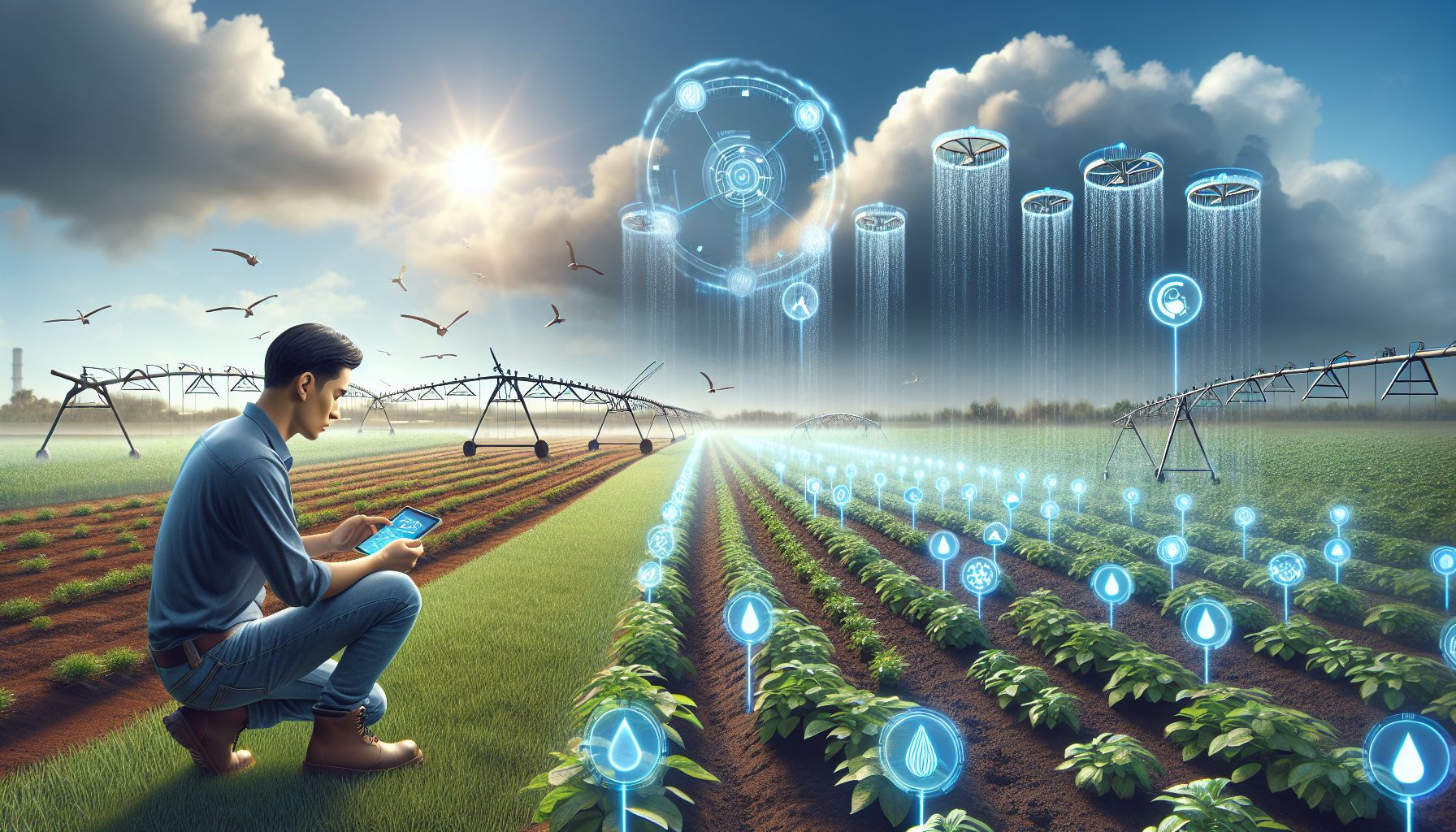
Agriculture is a critical sector that feeds billions of people around the world. However, with the existing methods of irrigation, substantial amounts of water are wasted due to inefficient watering techniques and evaporation. With water becoming an increasingly scarce resource, it is imperative to implement more sustainable practices in agriculture. A promising solution to this challenge is the adoption of smart irrigation systems. These systems are designed to optimize water use, reduce waste, and maintain crop health by delivering water precisely and efficiently to the plants. In this article, we will explore how smart irrigation systems work, their benefits, and some of the most advanced technologies available for water conservation in agriculture.
Understanding Smart Irrigation Systems
Smart irrigation systems are advanced setups that incorporate various technologies such as sensors, controllers, and software, to manage watering based on real-time data. These systems can monitor soil moisture levels, weather forecasts, plant water use, and other environmental parameters to adjust irrigation schedules accordingly. This means that water is applied only when and where it is needed, which significantly improves water efficiency.
Key Components of Smart Irrigation Systems
-
Sensors: They are vital for gathering information on soil moisture, temperature, and humidity. Some advanced sensors can even detect nutrient levels in the soil.
-
Controllers: This is the brain of the irrigation system. The controller processes data from the sensors and makes decisions on when to start and stop irrigation.
-
Irrigation Valves: These valves are controlled by the system’s controller to regulate water flow to different parts of the field as needed.
-
Software/Apps: User-friendly interfaces are provided for monitoring and managing the irrigation system. They can offer valuable insights and help in making informed decisions about water applications.
Benefits of Smart Irrigation Systems
Enhanced Water Conservation
One of the primary advantages of smart irrigation systems is the drastic reduction in water usage. By applying water only when necessary, these systems ensure that none is wasted. This is particularly beneficial in drought-prone regions where water conservation is essential.
Improved Crop Yield
Proper irrigation ensures that crops receive the right amount of water at the right time, which can lead to better growth and increased yield. Smart systems prevent overwatering, which can damage crops and lead to diseases.
Time and Cost Efficiency
Automated systems reduce the need for manual labor, saving time and money in terms of workforce and operational costs. They also minimize water costs by using water more efficiently.
Data-Driven Decisions
The data collected by smart irrigation systems can be analyzed to improve future water management strategies, leading to better long-term agricultural planning.
Environmental Protection
By avoiding excessive watering, smart irrigation systems contribute to the reduction of water runoff which can carry pollutants such as fertilizers and pesticides into nearby water bodies.
Advanced Technologies in Smart Irrigation
Soil Moisture Sensors
These sensors are placed within the root zone of crops and measure the amount of moisture in the soil. The data from these sensors is critical in determining the precise timing for irrigation.
Climate-Based Controllers
Also known as evapotranspiration (ET) controllers, these devices use local weather data to calculate water loss from soil and plants, adjusting the irrigation schedule to the current weather conditions.
Smart Flow Meters
Flow meters are used to measure the volume of water used. This information is valuable for detecting leaks or breaks in the system and for monitoring water consumption.
Internet of Things (IoT) Integration
IoT allows various components of the irrigation system to communicate with each other over the internet. This enables remote monitoring and control from a smartphone or computer.
Artificial Intelligence and Machine Learning
AI and machine learning algorithms can learn from past irrigation data and environmental factors to predict and adjust watering schedules without human intervention.
Variable Rate Irrigation (VRI)
VRI technology allows for varying water application rates within a single field, catering to the unique water needs of different crops or field zones.
Implementing Smart Irrigation Systems
Adopting smart irrigation requires an initial investment in the appropriate technology and infrastructure. However, the long-term savings on water and increased productivity often outweigh these costs. Governments and international organizations are increasingly offering financial support for farmers willing to upgrade to smarter systems.
Steps for Successful Implementation:
-
Assessment: Conduct a thorough evaluation of your agricultural needs and existing irrigation setup.
-
Planning: Choose the smart irrigation technologies that are best suited for your specific circumstances.
-
Installation: Employ professionals to install the chosen systems and ensure they are set up correctly.
-
Monitoring: Continually monitor the system’s performance and make necessary adjustments.
-
Maintenance: Regular maintenance is crucial for the continued efficient operation of smart irrigation systems.
Challenges and Considerations
Despite the apparent benefits, there are some challenges to the widespread adoption of smart irrigation systems, including high initial costs, a learning curve for farmers transitioning from traditional methods, and a need for reliable energy sources and internet connectivity. It’s important to consider regional differences, such as climate and available infrastructure, when implementing these systems.
Conclusion
Smart irrigation systems represent a significant leap forward in sustainable agriculture. By conserving water, improving crop yields, and offering economic benefits, these systems could play a crucial role in addressing the challenges of water scarcity and food security.
Farmers, policymakers, and innovators must continue to work together to improve and adapt smart irrigation technologies that meet our needs today and for generations to come. As we collectively face the impacts of climate change and a growing population, smart irrigation systems offer a practical and promising solution to conserve one of our most precious resources: water.
Sources
- Food and Agriculture Organization of the United Nations (FAO) – Irrigation in Agriculture
- Environmental Protection Agency (EPA) – WaterSense – Using Water Efficiently
- U.S. Department of Agriculture (USDA) – Irrigation and Water Use
The information present in this article is based on the latest developments up to the knowledge cutoff date in 2023.