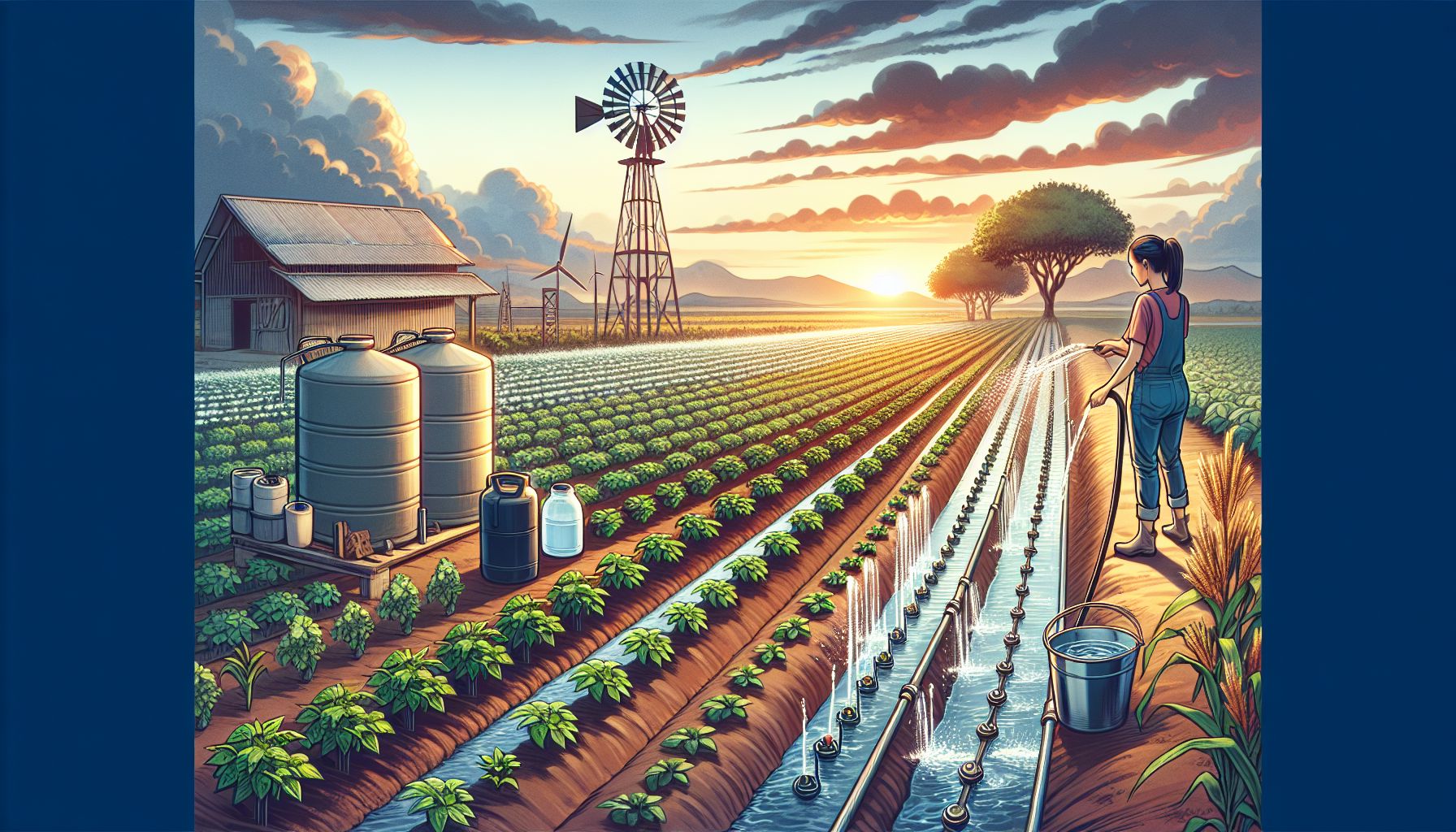
Agriculture consumes more freshwater than any other industry and plays a vital role in the overall health of the global water cycle. With the world facing increasing water scarcity, sustainable water management in agriculture has become a critical area of focus. This article explores the existing practices and innovations for conserving and using water resources efficiently in agricultural settings. By implementing these practices, the agricultural sector can contribute significantly to the global effort of preserving our precious water resources for future generations.
Understanding the Water Challenges in Agriculture
Before diving into sustainable practices, it’s important to comprehend the challenges that agriculture poses to water security. Agronomy, the science of soil management and crop production, heavily relies on water availability. However, several inefficiencies in traditional watering methods, such as uncontrolled flood irrigation, can lead to a significant waste of water. Furthermore, the extensive use of agrochemicals can contaminate water supplies, consequently impacting both human health and the environment.
With climate change altering rainfall patterns and increasing the frequency of extreme weather events, sustainable water management in agriculture is not just an option—it’s a necessity.
Sustainable Practices for Water Management in Agriculture
1. Efficient Irrigation Systems
Drip Irrigation:
By delivering water directly to the roots of plants, drip irrigation minimizes evaporation and runoff, making it one of the most efficient methods of watering crops. This system can save between 30% to 60% more water than traditional methods.
Smart Irrigation:
Incorporating sensors and IoT technology, smart irrigation systems can determine the precise water needs of crops and automate watering schedules based on real-time data, such as soil moisture levels, weather forecasts, and plant stages.
Pivot Systems:
Center pivot irrigation can be modified to conserve water. Low-energy precision application (LEPA) and mobile drip irrigation (MDI) systems attached to pivot systems can reduce water use and increase water application efficiency.
2. Crop Selection and Rotation
Choosing the right crops for climatic conditions and practicing crop rotation can improve soil quality, help control pests and diseases, and reduce the need for water. Drought-resistant crops, cover crops, and intercropping strategies also play a role in water conservation.
3. Water Harvesting Techniques
Building reservoirs and ponds can capture and store rainwater for later use. Likewise, rainwater harvesting from greenhouse roofs and other farm structures can provide an additional supply of water.
4. Soil Management
Healthy soil retains water more effectively. Practices like mulching, reducing tillage, and adding organic matter can improve soil health and water retention capacity. Conserving topsoil through contour farming and terracing can also prevent soil erosion and water loss.
5. Use of Treated Wastewater
Treated wastewater can be a reliable water source for irrigation. By reusing wastewater, agriculture can alleviate pressure on freshwater resources and derive benefits from the embedded nutrients in the water.
6. Integrated Pest and Nutrient Management
Minimizing the runoff of fertilizers and pesticides through integrated pest management (IPM) and precision nutrient application can protect water quality and reduce the quantity of water needed to dilute contaminants.
7. Education and Training for Farmers
Educating farmers on best practices in water management and providing access to weather and soil data can empower them to make more informed decisions about water use.
Innovations Enhancing Water Sustainability in Agriculture
Precision Agriculture
Advancements in precision agriculture empower farmers to monitor and manage their water usage effectively. Smart technologies such as drones, satellites, and computer models can help farmers assess their crops’ health and water needs, ultimately conserving more water.
Water Efficient Gene Modification
Researchers are examining and developing crops with genes that make them more tolerant to drought conditions, thus requiring less water.
Mobile Applications
Smartphone apps provide farmers with access to water management data, weather forecasts, and advice on irrigation scheduling, making it easier to irrigate crops effectively and efficiently.
Barriers to Implementation
While these sustainable practices and innovations hold promise, barriers to implementation exist, including the cost of new technologies, lack of infrastructure, limited access to capital, and the need for more training and technical support for farmers.
The Path Forward
Governments and organizations must work to provide the necessary resources and support to overcome these barriers. This could take the form of subsidies, loans, education programs, and investment in research and development.
Conclusion
By adopting sustainable water management practices, the agricultural sector can significantly reduce its water footprint, contribute to global water security, and create a more resilient food production system. It is a collective responsibility that requires collaborative efforts from farmers, policymakers, scientists, and communities to protect this vital resource.
Sources
- The Food and Agriculture Organization of the United Nations (FAO): http://www.fao.org/home/en/
- National Center for Biotechnology Information (NCBI): https://www.ncbi.nlm.nih.gov/
- United States Environmental Protection Agency (EPA): https://www.epa.gov/