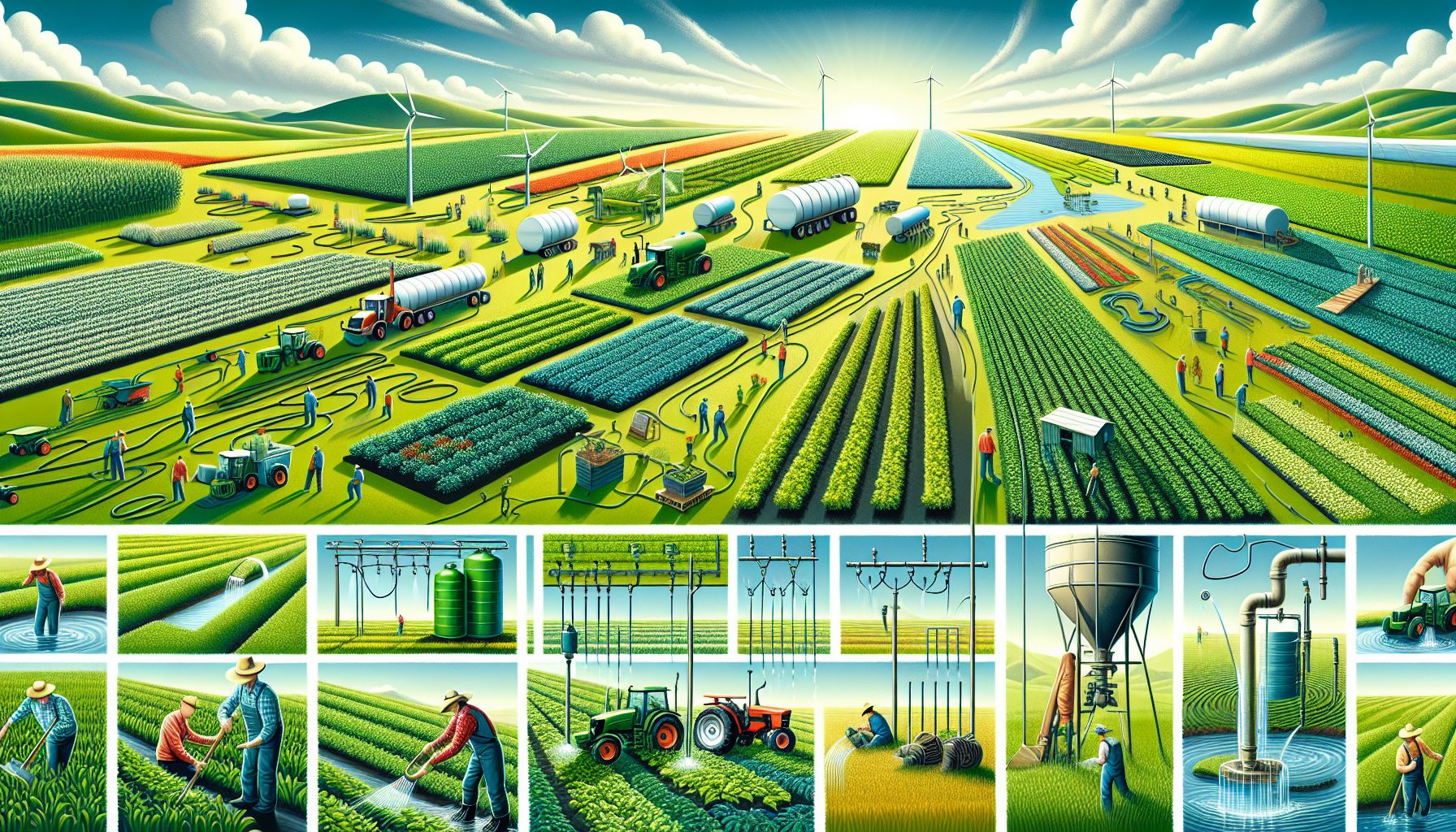
Agriculture is a vital industry, responsible for feeding the world and forming the backbone of global economies. However, it is also one of the biggest consumers of freshwater resources, accounting for approximately 70% of all water withdrawals globally. In an era of burgeoning populations and climate change, the importance of sustainable water management practices in agriculture cannot be overstressed. This article will explore why sustainable water management is critical for the future of agriculture and the planet, and how farmers can balance the need for crop irrigation with environmental stewardship.
Understanding the Challenge
Before diving into solutions, it is imperative to understand the challenges faced by the agricultural sector when it comes to water use:
- Varied Water Availability: Some regions receive abundant rainfall while others suffer from chronic shortages, and even within regions, water availability can vary seasonally.
- Climate Change: Worsening droughts, erratic rainfall patterns, and changing temperatures affect water availability and crop yields.
- Wasting Water: Inefficient irrigation and water distribution systems lead to significant water losses and wastage.
- Soil Health: Poor soil health can reduce its ability to retain water, requiring more frequent irrigation.
- Pollution: Fertilizer and pesticide runoff can contaminate water, rendering it unsafe for other uses and harming aquatic ecosystems.
Promoting Efficiency and Sustainability
Adopting sustainable water management strategies in agriculture can help tackle these challenges. Let’s examine some practices that are making a difference.
Precision Irrigation Techniques
Precision irrigation systems, like drip and sprinkler irrigation, deliver water directly to the plant roots. By targeting this small area, farmers can reduce water wastage substantially. Technologies such as sensors and soil moisture meters help farmers to apply the exact amount of water needed, preventing over-irrigation.
Conservation Tillage
Tillage practices that disturb the soil minimally help retain moisture levels. The presence of crop residue on the field surface reduces evaporation and can also combat erosion. No-till or reduced-till techniques, therefore, conserve water and improve soil structure.
Crop Selection and Rotation
Choosing the right crops can make a significant difference. Crops better suited to local conditions or those that are drought-resistant require less water. Crop rotation techniques also can help manage water better while suppressing disease and pests.
Water Harvesting and Storage
Collecting rainwater or runoff in reservoirs, ponds, or tanks for later use has been practiced for centuries. Innovations in rainwater harvesting can help farmers become less reliant on groundwater or surface water resources, particularly during dry seasons.
Soil Management
Healthy soil holds water more efficiently. Practices such as cover cropping, adding organic matter, and managing the soil pH can increase the water retention ability of the soil and reduce the need to irrigate.
Integrated Pest and Weed Management
Managing pests and weeds effectively can help reduce the water lost through competition or damage caused by pests, meaning crops can make better use of the water they receive.
Buffer Strips and Riparian Zones
Planting vegetation along stream banks can protect water resources from runoff contamination while also creating wildlife habitats. This vegetation can filter pollutants and excess nutrients from field runoff.
Water Recirculation Systems
In rice paddies and other fields where water is pooled, recirculating excess water can reduce the demand for additional water inputs.
Reclaimed Water Use
Using treated wastewater for irrigation can not only recycle water but can also provide nutrients to crops. This must be managed carefully to prevent soil degradation and contamination.
Supported Water Policies
Government policies that provide the right incentives for water conservation and penalize wastage can help encourage the adoption of such techniques. Additionally, sharing best practices through extension services and farming cooperatives can raise awareness and drive change.
The Impact of Sustainable Practices
The benefits of implementing sustainable water management in agriculture extend beyond conserving water resources. They can also lead to:
- Increased Agricultural Productivity: Efficient water use can lead to enhanced crop yields and quality.
- Improved Soil Health: Better soil conservation techniques directly impact water management and crop yields.
- Reduction in Pollution: Reduced runoff decreases pollution in water bodies.
- Climate Change Mitigation: Efficient water management plays a role in reducing greenhouse gas emissions from agricultural fields.
Looking at Global Examples
The world has seen several success stories in sustainable water management. Initiatives like the System of Rice Intensification have shown that it’s possible to grow rice with significantly less water. Countries like Israel have become world leaders in drip irrigation technology, while the Qanat systems of ancient Persia showcase historical wisdom in sustainable water use.
The Road Ahead
There is no one-size-fits-all solution for sustainable water management in agriculture. Innovations like smart sensors, using data analytics for better water budgeting, and breeding water-efficient crop varieties will continue to advance the cause. But it also takes socio-economic change, educating and empowering farmers to adopt new practices and invest in efficient technologies.
Sustainable water management is not just about agricultural productivity; it’s about ensuring that future generations have access to the water they need—not just for food but for all aspects of life. It is an ethical imperative and a strategic necessity for everyone involved in agriculture, from smallholders to large agribusinesses.
Sources
- Food and Agriculture Organization of the United Nations (FAO). Coping with water scarcity – An action framework for agriculture and food security. http://www.fao.org/3/i3015e/i3015e.pdf
- United States Environmental Protection Agency (EPA). Water Conservation in Agriculture. https://www.epa.gov/agriculture/agriculture-water-conservation
- World Bank. World Bank and Agriculture. http://www.worldbank.org/en/topic/agriculture/overview
By weaving together science, technology, traditional knowledge, and innovative policies, we can move towards a more sustainable and secure water future in agriculture. Our food supply, our economies, and our planet depend on it.