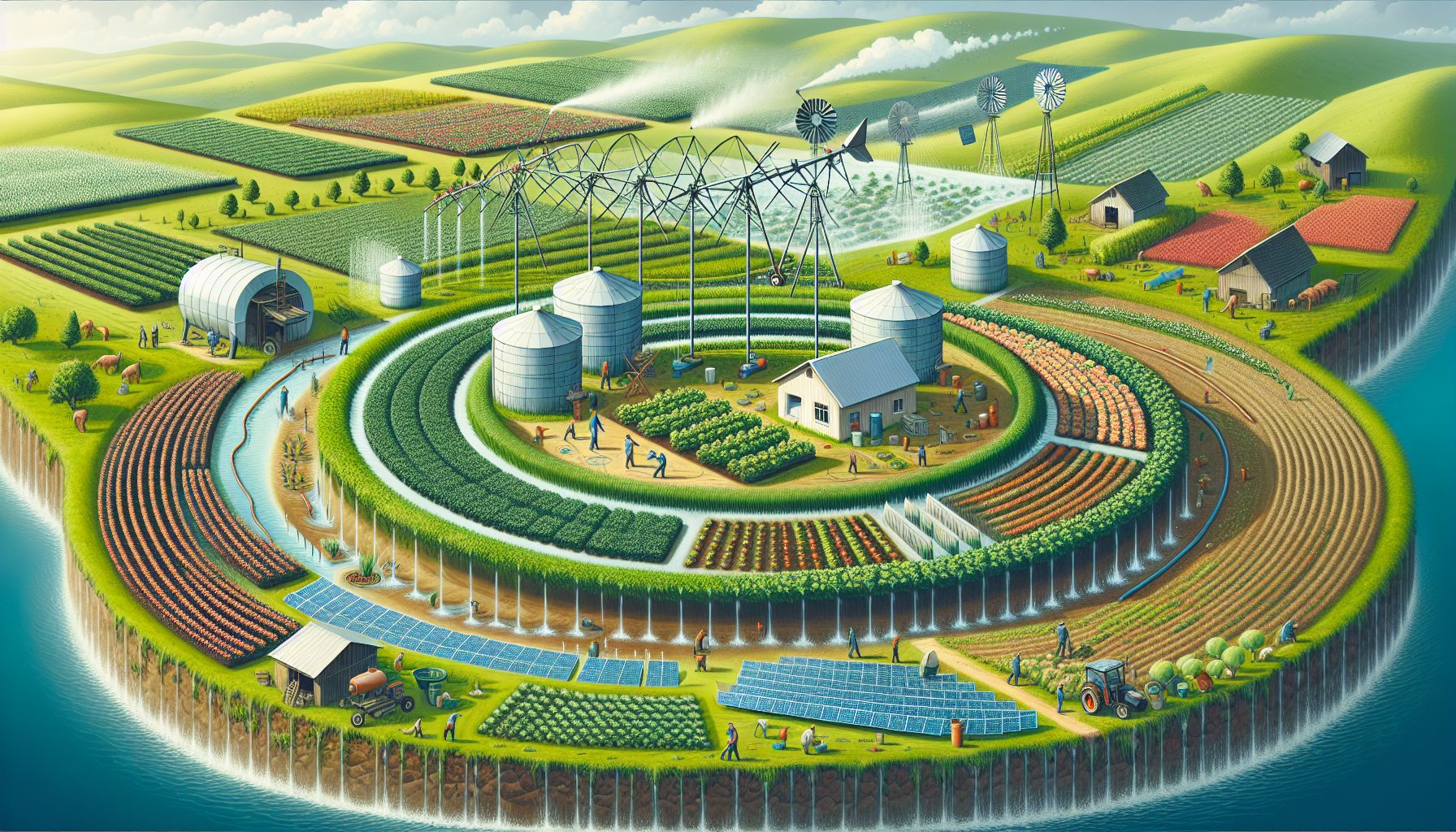
Agriculture is an essential part of human civilization. Not only does it provide the food on our tables, but it also plays a crucial role in the economies of many countries. However, agriculture is also a major consumer of fresh water, and inefficient water use can lead to significant waste and environmental damage. With the changing climate and the growing population, sustainable water management in agriculture has become more critical than ever before. In this article, we will explore various sustainable water management practices that can help farmers utilize water resources more efficiently and protect the environment.
Understanding Water Use in Agriculture
Before delving into sustainable practices, it’s important to understand how water is used in agriculture. Agriculture accounts for approximately 70% of global freshwater withdrawals, according to the Food and Agriculture Organization of the United Nations (FAO). Irrigation systems, whether they are for watering crops, providing drinking water for livestock, or cleaning processes, can consume vast amounts of water if not managed properly.
Conservation Tillage
Conservation tillage involves leaving the previous year’s crop residue on fields before and after planting the next crop to reduce water loss and soil erosion. This practice can help maintain higher levels of organic matter in the soil, increase water infiltration, and potentially improve the soil’s ability to retain water. Ultimately, conservation tillage can lead to reduced need for irrigation.
Crop Rotation and Diversity
Crop rotation is the practice of growing different types of crops in the same area across a sequenced number of seasons. It helps in managing soil fertility and preventing soil erosion, but it also has water management benefits. Some crops have deeper root systems that can increase the soil’s water-holding capacity. By carefully selecting crops and planning rotations, farmers can improve the efficiency of water use over time.
Drip Irrigation
Drip irrigation delivers water directly to the base of the plant through a system of tubes, valves, and emitters. This method can be highly efficient, as it reduces water loss due to evaporation or runoff and can save between 30-50% of water compared to traditional flood irrigation methods. Drip irrigation also allows for the precise application of nutrients through fertigation, minimizing nutrient runoff.
Rainwater Harvesting
Rainwater harvesting involves capturing rainfall and storing it for later use in irrigation. This can help reduce the need for drawing from groundwater or surface water sources, particularly during periods when water might be scarce. Simple rainwater harvesting systems can be made using gutters, storage tanks, and irrigation hoses, or more advanced systems can be developed for larger scale agricultural operations.
Managed Aquifer Recharge
Managed Aquifer Recharge (MAR) is another sustainable practice which involves deliberately recharging groundwater with surface water to restore aquifers. This is particularly effective in regions where over-extraction of groundwater has led to problems such as subsidence or reduced base flow to rivers. By recharging aquifers during wet periods, water can be stored underground and accessed during dry seasons.
Precision Agriculture
Precision agriculture utilizes technology to enhance crop yields and reduce water use. By using tools such as drones, sensors, and GPS technology, farmers can monitor moisture levels, assess crop health, and apply water only where it’s needed, in the precise amounts necessary. Precision agriculture ensures optimal use of water and can significantly reduce waste.
Cover Crops
Cover crops are planted during times when the soil would otherwise be left bare. These crops provide numerous benefits, including improving soil structure, adding organic matter to the soil, and suppressing weeds. Crucially, cover crops can improve the soil’s ability to absorb water, thus reducing the need for irrigation and protecting the soil against drought.
Solar-Powered Pumps
In regions where electricity is scarce or expensive, solar-powered pumps can present a sustainable solution. Solar pumps can be used for pumping water from wells or rivers for irrigation, often with the aid of drip irrigation systems. Not only do they use renewable energy, but they also offer the flexibility to be used in remote areas.
Sustainable Fertilizer Use
The use of fertilizers can have a significant impact on water quality. Runoff from fields can carry nutrients into streams and rivers, leading to issues such as eutrophication. By carefully managing fertilizer use and employing practices such as fertigation (where fertilizers are applied through the irrigation system), farmers can reduce runoff and improve water management.
Agroforestry
Agroforestry is an integrated approach of agriculture and forestry that increases biodiversity and reduces land degradation. The presence of trees can significantly improve water retention in the soil and reduce the need for supplemental irrigation. Furthermore, trees can protect against wind and water erosion, help recharge groundwater supply, and utilize deep water sources through their root systems.
Mulching
Mulching is a simple yet effective way to conserve soil moisture. Organic mulches such as straw or wood chips can help maintain soil moisture by reducing evaporation, suppressing weed growth, and reducing soil temperature. Mulching also adds organic matter to the soil over time as the material decomposes, improving soil structure and water retention capacity.
Regulation of Water Use
Government regulation and incentives can have a powerful impact on the adoption of sustainable water management practices. For example, water metering, pricing, and trading can provide farmers with the economic impetus to conserve water. Subsidies or grants for equipment like drip irrigation or efficient nozzles for sprinklers can also encourage water conservation.
Education and Cooperation
Sustainable water management is not just about employing the right technologies and practices. It is also about education and cooperation among farmers, local communities, experts, and governments. Sharing knowledge about sustainable practices, providing training, and encouraging collaboration can ensure long-lasting water conservation and environmental protection.
Facing the Challenge
With the continuously expanding global population and the threat of climate change, water scarcity is becoming an increasingly serious issue, especially for drought-prone regions. Sustainable water management practices in agriculture are essential not just for environmental sustainability but also for ensuring food security in the future.
Implementing these practices often requires an initial investment and a change in traditional farming methods, but the long-term savings in water use and the prevention of environmental degradation can be highly beneficial. With advancements in technology and increased understanding of sustainable agriculture, such practices are becoming more accessible and economically viable for farmers across the world.
The World Bank acknowledges the importance of water management in agriculture and supports various initiatives and projects to promote efficient and sustainable use of water resources. Additionally, local universities and extension services often offer resources and guidance to help farmers adopt sustainable water management techniques.
In conclusion, sustainable water management practices in agriculture offer a path toward responsible stewardship of our most vital resource: water. By embracing these approaches, we can safeguard water supplies for future generations while maintaining the productivity and profitability of the agricultural sector.
Ensuring the successful adoption of sustainable water management practices requires ongoing research, funding, and policy support, alongside the commitment of farmers and the wider community. By working together, we can create an enduring legacy of water resilience and security.