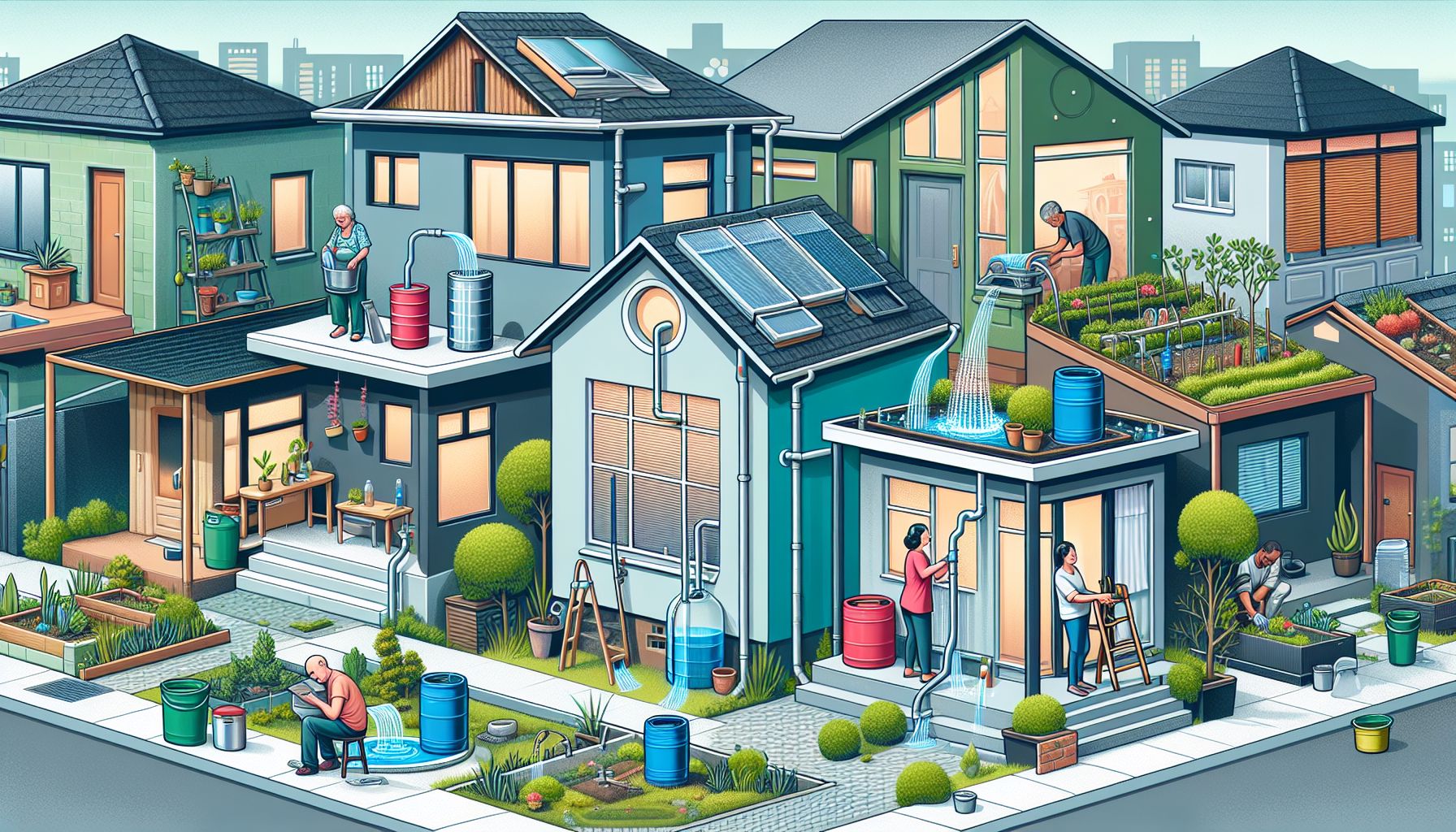
Water scarcity is one of the biggest issues of the modern age. A 2018 report by the World Resources Institute suggests that by 2040 around 33 countries are likely to face extremely high water stress.[^1^] As populations in urban areas continue to increase, it becomes even more important to look for ways to supplement our water supply. One potential solution to this problem is rainwater harvesting.
Rainwater harvesting is a technique used to collect, store, and use rainwater for irrigation and other uses. This technique is especially suitable for urban households, as it not only helps to meet our water requirements but also reduces our dependence on the strained municipal water supply.
This article explores several rainwater harvesting techniques that urban households can adopt to become more independent and environmentally responsible.
Understanding Rainwater Harvesting
Rainwater harvesting is the process of collecting and storing rainwater in natural reservoirs or tanks so that it can be later used for things like watering plants or flushing toilets. It’s a straightforward and environmentally friendly method of conserving water and reducing the burden on our public water supply.
Traditionally, people have collected rainwater in barrels or cisterns. Today, there are several other innovative techniques that urban households can use to harvest rainwater.
Before diving into the different techniques, let’s take a look at the different components of a typical rainwater harvesting system:
-
Catchment area: This is where the rainwater is collected from, typically this would be your roof.
-
Conveyance system: This directs the collected water to wherever it is stored – usually gutters and pipes.
-
Storage system: The collected water is stored here, whether it’s a barrel, a tank, or a well.
-
Filtration system: If the harvested water is to be used for drinking, a filtration system is necessary to remove any contaminants.
-
Distribution system: This system takes the stored rainwater to wherever it’s needed.
Different Techniques
There are primarily two types of rainwater harvesting that urban households can practice – rooftop rainwater harvesting, and stormwater harvesting.
Rooftop Rainwater Harvesting
Rooftop rainwater harvesting is the most popular method adopted by urban households due to the scale of the setup and the ease of maintenance. This method involves collecting rainwater that falls on your home’s rooftop.
The actual setup can be as straightforward or complex as required, some homes utilize a basic barrel or plastic tank fitted with a tap, to more complex systems that include pumps and filters for filtering out any debris. Once collected and depending upon the setup in place the rainwater can be used for multiple purposes around the household such as flushing toilets, washing laundry, bathing, gardening, and drinking.
Stormwater Harvesting
Stormwater harvesting systems collect run-off water from surfaces such as pavements and parks in an urban setting. This water is generally used to recharge the groundwater table or for irrigation purposes in parks or sports fields. These systems require a larger set up and would suit apartment complexes or groups of houses rather than individual homes.
Benefits of Rainwater Harvesting
Rainwater harvesting has a host of benefits for both households and the environment:
-
Rainwater is free of cost and reduces dependence on the municipal water supply.
-
Rainwater is soft, naturally balanced, and excellent for outdoor irrigation use or indoor non-potable use.
-
Collection systems can reduce a household’s water bill by up to 50%.
-
It reduces the runoff into storm drainage systems, reducing the risk of floods.
-
It reduces demand on groundwater resources, helping to maintain local ecosystems.
Conclusion
With the increasing environmental stress and growth of urban populations worldwide, rainwater harvesting represents an effective and relatively simple method for urban households to conserve water. These systems not only help save money but also contribute to a more sustainable future for all.
By taking these small steps towards water conservation, we can make a big difference for future generations. Let’s get started with rainwater harvesting and build greener, cleaner, and more sustainable urban homes.
[^1^]: World Resources Institute. (2018). Water Stress By Country. [^2^]: Environmental Protection Agency. (2018). Rainwater Harvesting: Conservation, Credit, Codes, and Cost Literature Review and Case Studies. [^3^]: Van Sickle, J., & Morgan, L. (2017). Homeowner’s Guide to Rainwater Harvesting. College of Agriculture and Life Sciences, Texas A&M University.