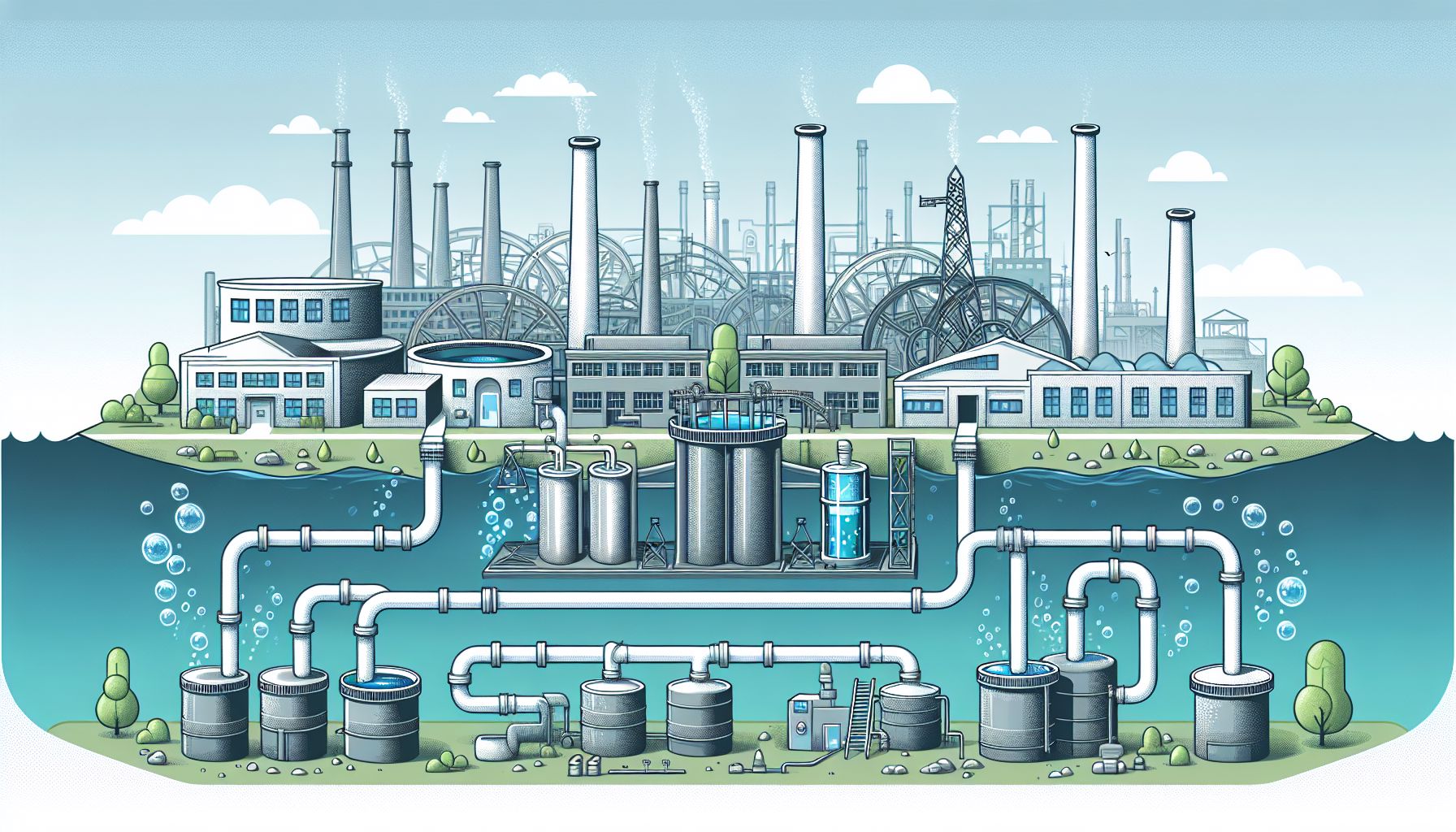
Modern industrial processes require vast amounts of water to sustain their operations. After usage, this water becomes contaminated, thus raising the plight of water pollution. It then becomes ethically and legally binding for the industries to treat the wastewater before releasing it into the environment. A plausible solution to this challenge is leveraging innovative wastewater treatment technologies.
This article discusses innovative wastewater treatment technologies for industrial processes. We will delve into the reasons the technology is necessary, understand some of the technologies, benefits, and the future prospects of wastewater treatment for industries.
The Importance of Wastewater Treatment in Industries
Industries produce approximately 22% of the global wastewater volumes^1^. Releasing untreated water from these industries is catastrophic, given the chemical composition of such water. It destroys aquatic life, contaminates drinking water sources, and exacerbates the water shortage crisis.
According to regulations such as the Clean Water Act in the USA, industries must put in place mechanisms to treat industrial wastewater before it goes back into the environment^2^. Technology has responded to this call by generating innovative solutions for industrial wastewater treatment, bringing us to our next point of discussion.
Technologies for Industrial Wastewater Treatment
Several technologies exist to manage industrial wastewater. However, the focus here is on the most innovative and efficient techniques.
Electrocoagulation
Electrocoagulation involves passing an electric charge through water to remove contaminates. This electrical charge causes the pollutants to coagulate allowing for easy extraction^3^.
Advanced Oxidation Processes (AOP)
AOP is a water treatment process that uses oxidation to remove organic and mineral materials. It’s suitable for removing chemicals that are difficult to eliminate using other technologies^3^.
Membrane Bioreactors (MBR)
MBR technology merges both biological and physical processes to treat wastewater. It is excellent for space-constrained industries as it requires less space compared to traditional systems^1^.
Benefits of Wastewater Treatment
Beyond the regulatory requirement and environmental conservation, wastewater treatment offers even more benefits:
Cost Saving
Though installing and maintaining a wastewater treatment system may seem expensive, it is cost-effective in the long run. Without it, businesses risk hefty fines and shutdowns.
Water Reuse
Treated water can be reused within the industry in non-potable applications like cooling and irrigation. It helps conserve water and reduces freshwater demand.
Future of Wastewater Treatment
There is a great promise in the future of wastewater treatment. With advancements in technology, treating industrial wastewater will become efficient and cost-effective. This evolution will cater to the increasing global industrialization and wastewater volumes recorded. It will also potentially transition the world to more sustainable industrial practices.
Wrapping Up
Treating wastewater is an essential aspect of any industry. It ensures compliance with regulations, saves costs, and conserves the environment. Sure, the installation costs may seem high, but the long-term rewards far outweigh the initial investment.
Today, technology has made it possible to treat wastewater in efficient and environmentally friendly ways. We must continue to support and harness these advancements, for the sake of our world and future generations. The time to act is now; let’s keep our waterways clean!