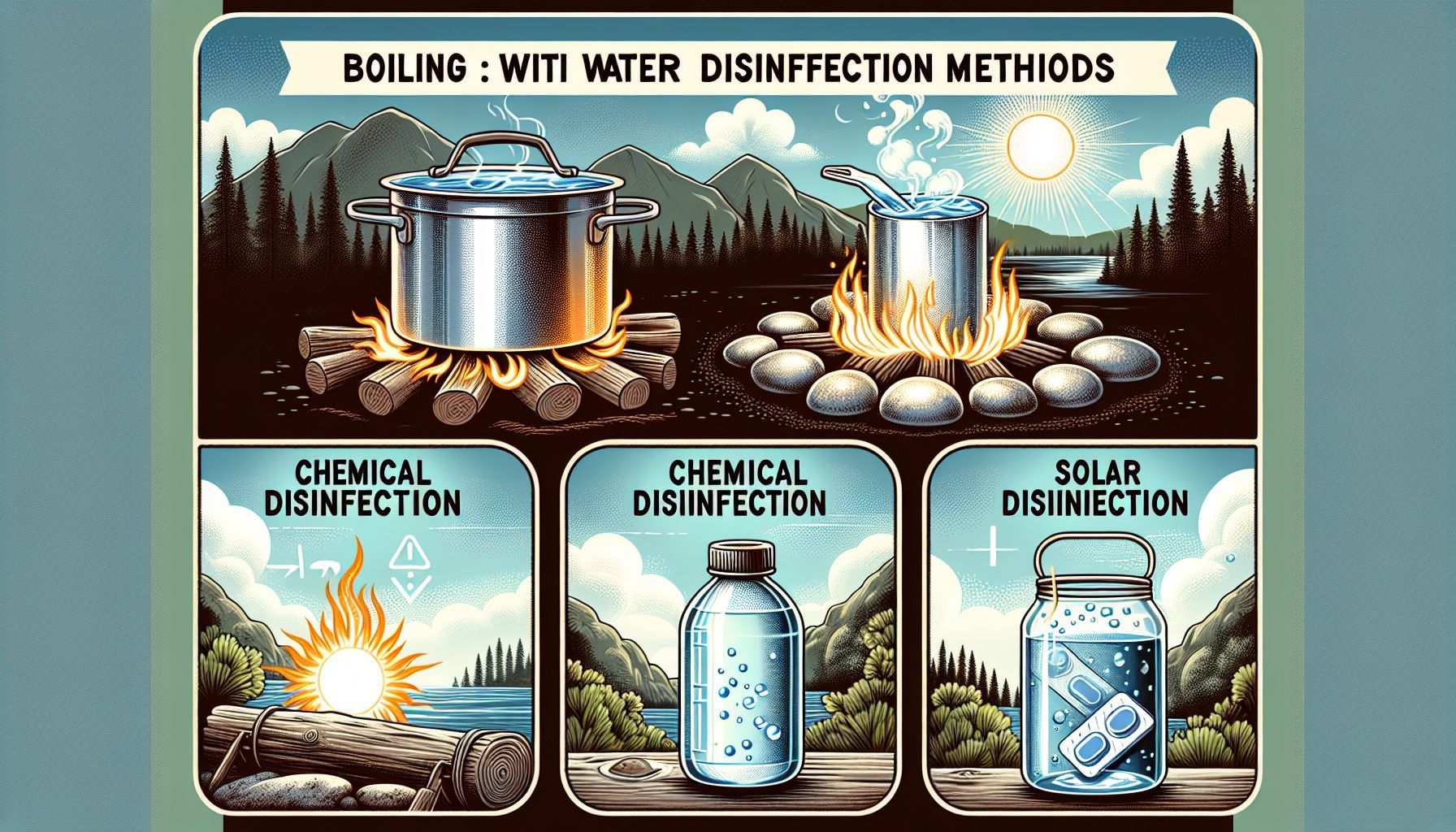
Water is life. However, during emergencies, access to safe and clean water can be drastically reduced. Emergency situations like floods, earthquakes, and drought can compromise water sources, making drinking water unsafe. In such instances, effective water disinfection methods are crucial. This article explores the most effective disinfection methods in such scenarios, their feasibility, and best practices, while also considering their environmental impact.
The Importance of Clean Water During Emergencies
Before we delve into the effective methods of water disinfection, it’s paramount to understand why clean water is essential. Especially during emergencies, access to clean drinking water is critical for survival. Contaminated water can lead to severe illnesses such as cholera, typhoid, and dysentery, which can result in an additional crisis within the crisis^[1^].
Furthermore, clean water is necessary for various other aspects like cooking, cleaning, and maintaining hygiene that is crucial for preventing diseases during emergencies.
Common Water Disinfection Methods
When it comes to water disinfection, various methods can eliminate or reduce harmful pathogens in water. Some common methods include:
Boiling
One of the simplest and oldest methods for disinfecting water is boiling. It’s highly effective in killing bacteria, viruses, and parasites. However, it might be impractical during some emergencies due to the need for fuel.
Chlorination
Chlorination is a commonly used method for water disinfection in emergencies. Chlorine tablets or liquid bleach can be used to make water safe for drinking. However, the amount used must be regulated properly to ensure water doesn’t become harmful by excessive chlorine.
Solar disinfection
Solar disinfection (SODIS) involves exposing water-filled plastic bottles to the sun for several hours. Ultraviolet rays kill harmful bacteria and viruses. This method is effective but requires sunny weather and time.
Water filters
Water filters are effective in removing bacteria, viruses, and parasites from water. They can be portable for individual use or larger for community use. However, considering the cost and availability, they’re not always practical in every emergency situation^[2^].
Evaluating the Best Methods for Different Scenarios
Different emergency situations may require different methods of water disinfection. The choice of method depends on factors such as the nature of the emergency, available resources, and the quality of the source water.
Natural Disasters
In the aftermath of natural disasters like earthquakes and floods, water sources can be severely contaminated. Since these circumstances usually cause power outages and fuel shortages, boiling may not be practical. Here, chlorination or use of water filters can be effective methods.
Droughts
During droughts, groundwater sources may not be available, and the few available can be contaminated. Solar disinfection can be a viable method during droughts, given the availability of sunlight. Portable water filters can also serve beneficial.
Conflicts and Refugee Situations
In refugee scenarios, where people are displaced en masse, providing safe drinking water can be a major challenge. Community water filters or larger-scale chlorination can be effective, depending on the number of people.
Balance Between Disinfection and Environmental Impact
While disinfecting water is critical during emergencies, it’s also essential to consider the environmental impact of these methods. Some methods like chlorination can have harmful by-products. Hence, using these methods should follow clear guidelines to minimize potential environmental harm^[3^].
Conclusion
In conclusion, effectively disinfecting water during emergencies is crucial in ensuring the survival and health of affected populations. However, the choice of method needs to be contextually appropriate, taking into account factors such as the type of disaster, local resources, and cultural acceptability.
While the discussed methods can make a significant difference in ensuring access to safe drinking water in emergencies, the ultimate goal should be working towards resilient systems that can withstand such emergencies, reducing their impact on water sources. After all, prevention is always better than cure.