As our planet faces increased challenges because of climbing temperatures, rising sea levels, and diminishing freshwater resources, water conservation methods have become urgently crucial. One effective approach to deal with this escalating scarcity is the use of greywater recycling systems.
Greywater refers to gently used water from bathroom sinks, showers, bathtubs, and washing machines, which, with proper treatment, can be safely repurposed for certain non-drinking uses like landscape irrigation, toilet flushing, and laundry.
This article will provide an in-depth exploration of greywater recycling — what it entails, the benefits it offers, how you can incorporate it into your water conservation efforts, and innovations in the field.
Understanding Greywater
Remember, greywater is not all wastewater. The water that comes from toilets or contains fecal contamination is termed ‘blackwater.’ While it can indeed be treated and reused for non-potable uses, it requires a much more rigorous treatment system due to higher bacterial contamination than greywater. In this article, we will focus specifically on greywater treatment and recycling.
Benefits of Greywater Recycling
Lower Water Costs
Reusing greywater can reduce domestic water usage by 30 to 50%, slashing down water bills significantly. Lower freshwater usage reduces the demand on public water supply and the amount of energy used to treat and deliver that water.
Healthy Landscapes
With greywater recycling, landscapes can thrive without extra watering. This is particularly beneficial in drought-prone areas where water scarcity is especially severe and periods of water rationing are frequent.
Groundwater Recharge
Properly managed, greywater application in gardens and landscapes can help restore and maintain groundwater levels by facilitating natural recharge.
Greywater Recycling Methods
There are many ways to recycle greywater. Here’s a brief look at some of them:
Manual Bucketing
The simplest method, as the name suggests, involves manually collecting and redirecting the greywater from household uses to watering plants, for instance.
Diversion Devices
These are systems installed into the home’s plumbing that divert greywater to the garden or a treatment system. They are relatively affordable and straightforward to install but may require plumbing expertise.
Treatment Systems
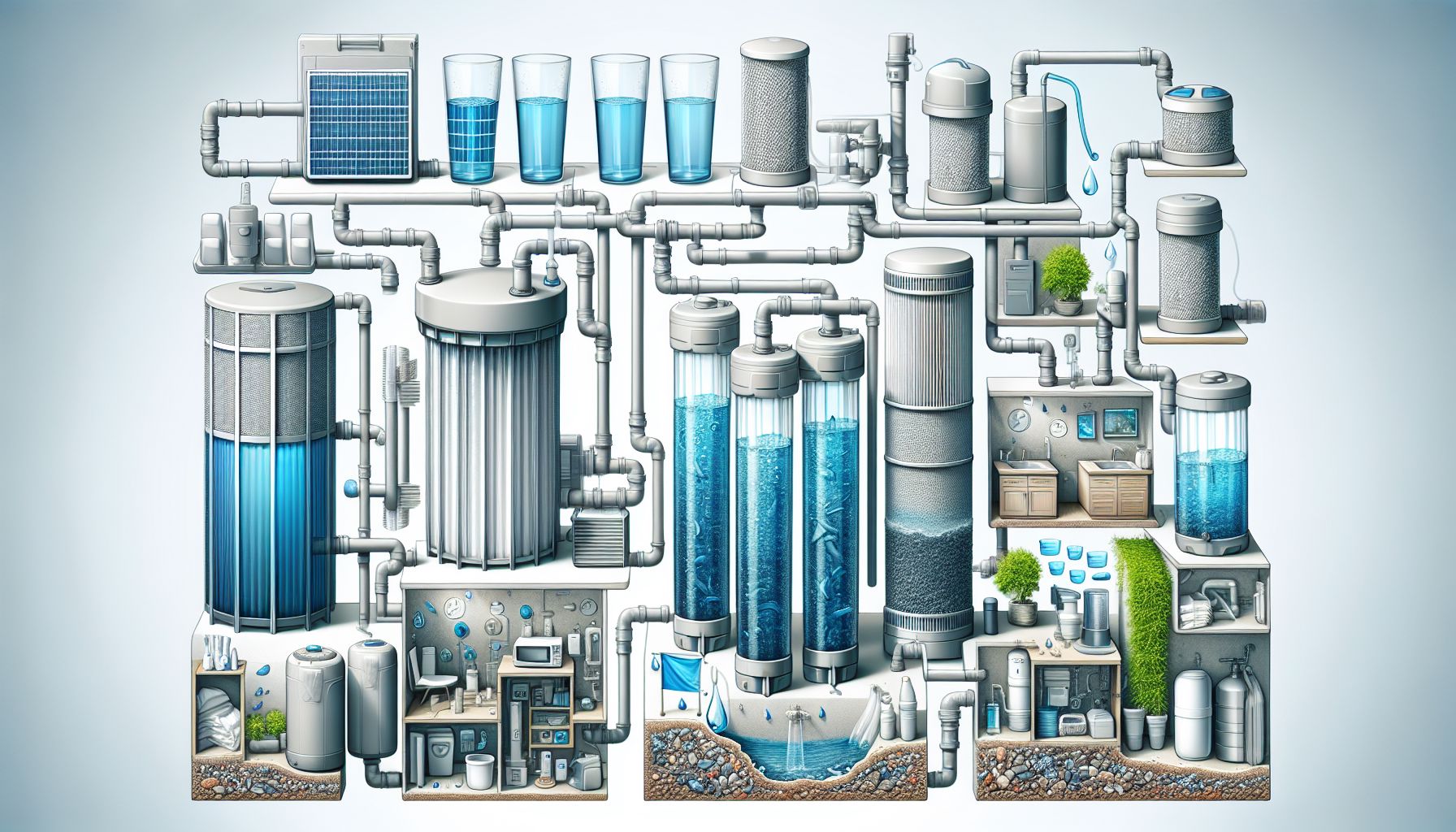
These are more complex systems that process and store greywater to certain treatment levels. Depending on the sophistication of the system, the treated water might even be suitable for in-house non-potable uses like flushing toilets.
Tips for Safe Greywater Use
Even though greywater is less contaminated than blackwater, it can still harbor infectious organisms if not properly treated. Therefore, it’s crucial to use and manage greywater appropriately:
-
Avoid storage: Unless treated, greywater should be used within 24 hours to prevent bacteria from proliferating.
-
Choose your cleaning products wisely: Some laundry and cleaning products can harm plants if used in greywater irrigation.
-
Manage run-off: Apply greywater directly to the soil, not freestanding water, to avoid run-off and minimize human contact.
-
Test your soil: Greywater can gradually increase soil salinity, so regular soil testing is an excellent idea to protect your green spaces.
Innovations in Greywater Recycling Systems
Advancements in greywater treatment technologies are making recycling more efficient, affordable, and accessible. In particular, the technology of Membrane Bioreactors has shown promising results in removing bacteria and other contaminants from greywater.
Conclusion
As water scarcity becomes an increasing global concern, the importance of innovative, eco-friendly ways to conserve water cannot be overstressed. Greywater recycling, thanks to its accessibility and benefits, is poised to play a significant role in our ongoing quest for sustainable water management.
It’s a viable, valuable way to lessen our water footprint and minimize our strain on the world’s ever-declining freshwater sources.
Sources: