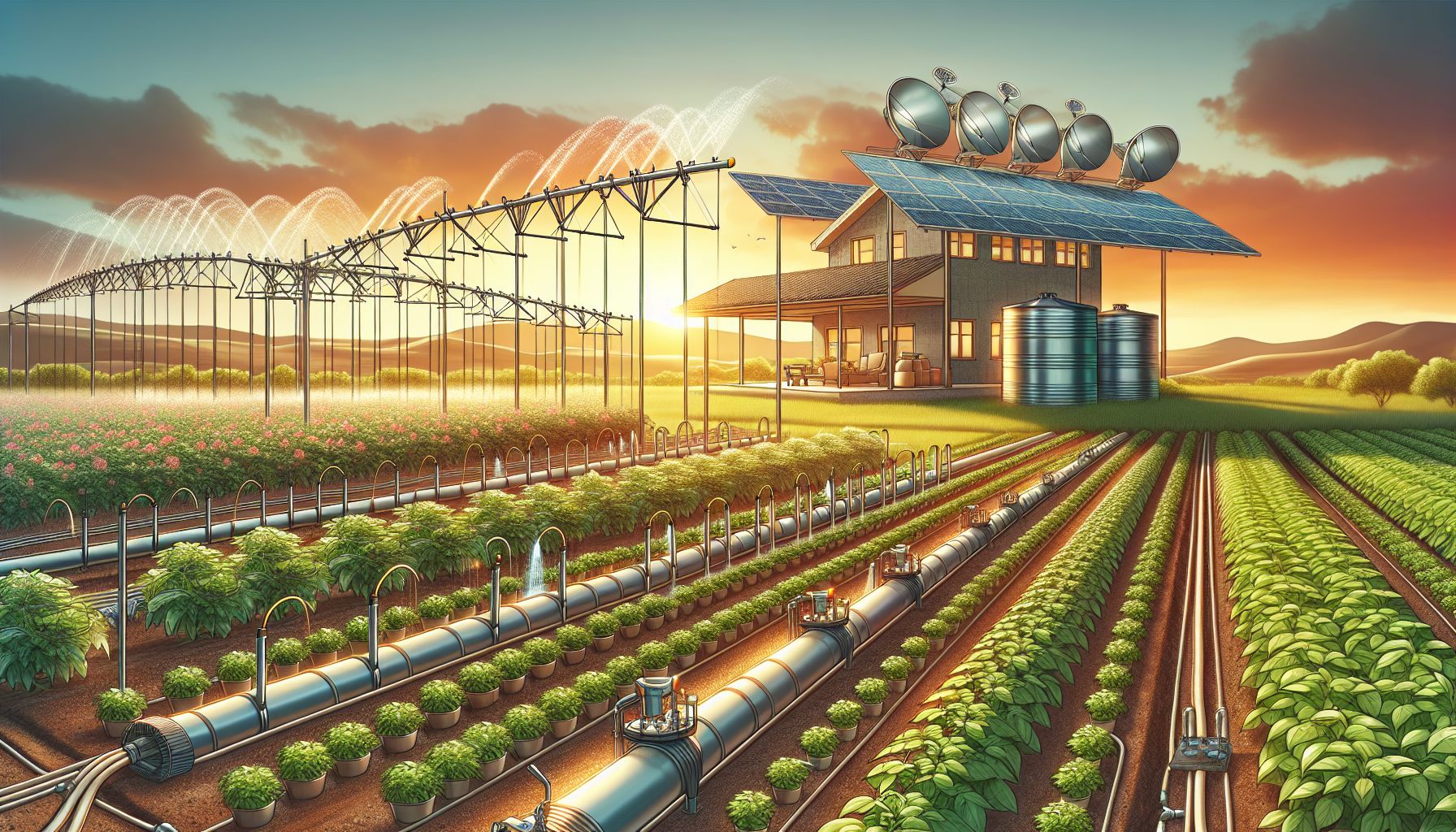
Agriculture is the backbone of many economies and societies around the world. It provides the food, fiber, and fuel that sustain human life and industry. However, agriculture is also the single largest user of freshwater resources, accounting for approximately 70% of all water withdrawals globally. In the context of an ever-growing population, balancing the water needs of agriculture with the necessity of protecting this precious resource poses significant challenges. Sustainable water management practices are crucial in making agriculture more efficient, resilient, and environmentally friendly.
Understanding the Need for Sustainable Agriculture
Before we delve into sustainable water management practices, it’s important to understand why sustainability in agriculture is so critical. Traditional farming methods often prioritize short-term gains over long-term sustainability, which can lead to water shortages, land degradation, pollution, and reduced biodiversity. In contrast, sustainable agriculture aims to meet society’s food and textile needs without compromising the ability of future generations to meet their own needs.
The Impact of Climate Change
Climate change further exacerbates water-related challenges in agriculture. Changes in rainfall patterns, increased frequency of droughts, and extreme weather events all have a significant impact on the availability of water and the health of crops. Farmers must adopt practices that are adaptable to these changing conditions to ensure a steady and sustainable food supply.
Sustainable Water Management Practices
Implementing sustainable water management practices involves a combination of techniques and strategies designed to efficiently use water resources, improve crop yields, and minimize negative impacts on the environment. Here is a closer look at some of the most effective approaches:
1. Conservation Tillage
Conservation tillage includes a set of farming practices that minimize the disruption of soil structure, water, and organic matter. By leaving crop residues on the field and minimizing tillage operations, farmers can increase water infiltration and retention, reduce runoff, and provide a habitat for beneficial organisms. This practice not only conserves water but also improves soil health and reduces erosion.
2. Crop Rotation and Diversify Planting
Crop rotation involves growing different crops sequentially on the same plot of land to improve soil health and reduce irrigation needs. Different crops have varying water requirements and root structures, which can maximize water usage efficiency and lower the risk of pest and disease infestations. Diversifying crops also makes the system more resilient against unfavorable weather conditions.
3. Drip Irrigation
Drip irrigation delivers water directly to the plant roots through a network of valves, pipes, tubing, and emitters. This method reduces water waste due to evaporation and runoff and can save up to 50% more water compared to traditional irrigation methods. Additionally, when combined with precise irrigation scheduling, it ensures that crops receive the right amount of water at the right time.
4. Rainwater Harvesting
Rainwater harvesting captures and stores rainwater for future agricultural use. By collecting rainfall from rooftops, greenhouses, or other surfaces, farmers can create a supplementary water source that is especially valuable during dry spells. This practice not only conserves water but also reduces dependency on rivers and groundwater.
5. Mulching
Mulch is a layer of organic or inorganic material spread on the surface of the soil. It helps to conserve moisture, reduce evaporation, control weeds, and maintain soil temperature. Organic mulches, such as straw or compost, have the added benefit of enriching the soil as they break down over time.
6. Improved Water Storage and Transport
Efficient water storage and transport systems help to ensure that water is available when and where it’s needed. This might include building dams, reservoirs, and rainwater cisterns, or improving irrigation channels to reduce leakage and evaporation.
7. Managing Water at the Watershed Level
Sustainable water management cannot be achieved solely at the individual farm level; it requires a collective approach at the watershed level. Integrated watershed management involves coordinating the conservation efforts of all water users in a catchment area to maintain the health of the entire ecosystem. This includes protecting wetlands, forests, and rivers that act as natural water infrastructure.
8. Adoption of Smart Irrigation Technologies
Smart irrigation technologies such as soil moisture sensors, climate-based controllers, and automated systems can optimize water use by providing data for informed decision-making. These technologies allow farmers to apply water only when crops need it, thereby reducing waste and enhancing crop performance.
9. Use of Alternative Water Sources
Exploring alternative water sources, such as treated wastewater or desalinated water, can reduce the pressure on freshwater resources. Using these alternative sources for agriculture can be a sustainable option when managed properly.
10. Promoting Farmer Education and Training
Educating farmers on sustainable water management practices and providing training ensures that these techniques are implemented effectively. Extension services and workshops can help to disseminate knowledge and foster innovation within the agricultural community.
The Role of Policy and Regulation
Governments and regulatory bodies play a crucial role in promoting sustainable water management in agriculture. Policy instruments such as water pricing, subsidies for water-saving technologies, and regulations for water quality and usage can incentivize sound water management practices. Additionally, international cooperation, particularly for transboundary water resources, ensures a collaborative approach to water management.