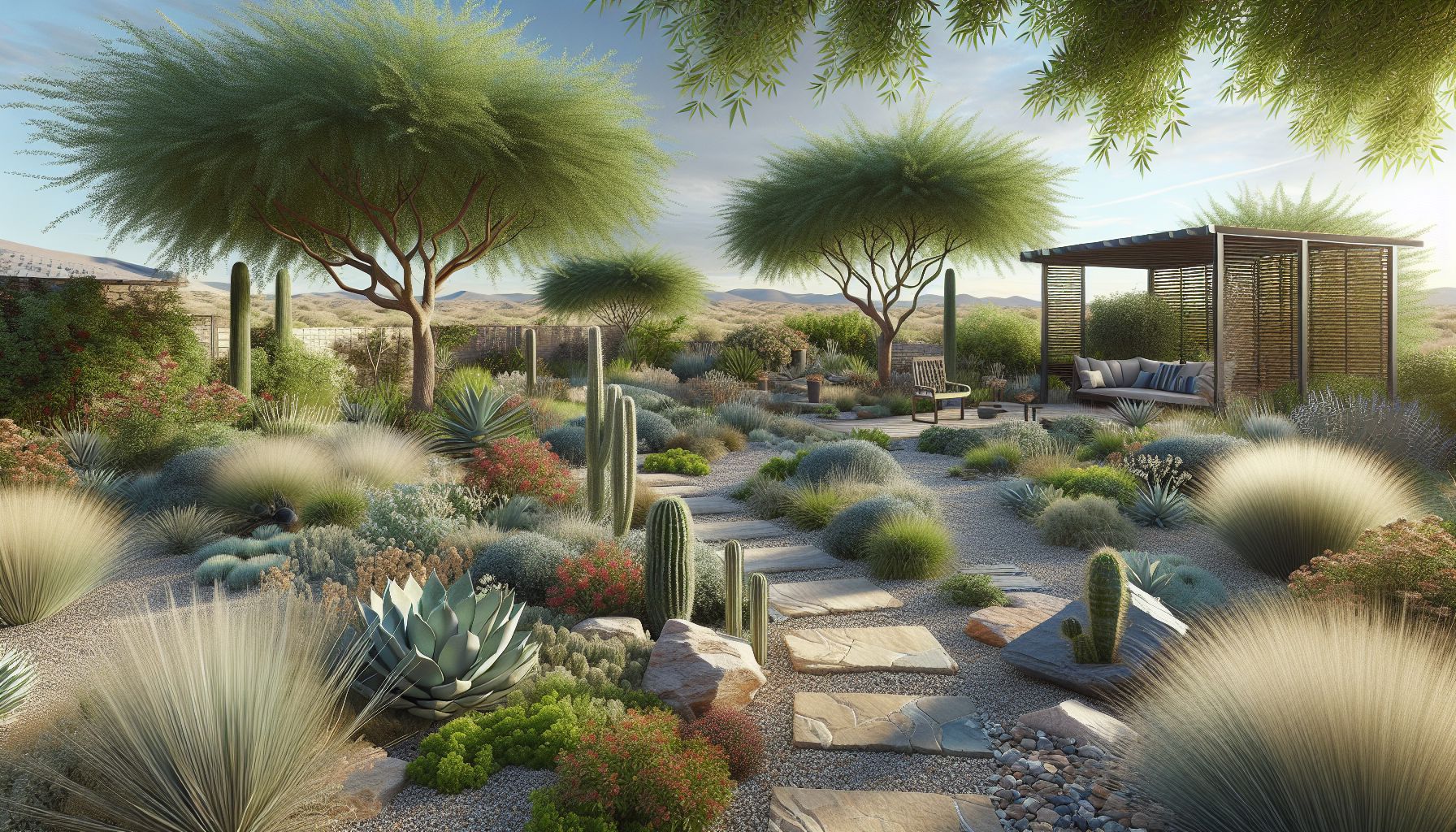
Arid regions face significant challenges due to the scarcity of water, a precious and life-sustaining resource. With climate change impacting weather patterns, it’s become increasingly crucial to formulate strategies that conserve water. One approach that merges aesthetic appeal with practicality is water-efficient landscaping, often referred to as xeriscaping. This article delves into the concept, providing cues and techniques for implementing such landscaping in arid regions.
Understanding Water-Efficient Landscaping
Water-efficient landscaping is an innovative method of designing and maintaining beautiful gardens and outdoor spaces without relying heavily on water. The principle is straightforward: use plants that are adapted to the local climate and require minimal additional watering. In arid and semi-arid areas, this approach is not just beneficial, but necessary to reduce water consumption for non-essential uses.
Benefits of Water-Efficient Landscaping
Before diving into landscaping ideas, let’s highlight some of the benefits:
- Conservation of Water: It significantly reduces water usage for landscaping and gardening purposes.
- Lower Maintenance: Native and drought-tolerant plants generally require less maintenance than their water-guzzling counterparts.
- Reduced Costs: With less water usage and lower maintenance, homeowners can expect to see a decrease in their utility bills and landscaping expenses.
- Ecosystem Preservation: Utilizing native plants supports local ecosystems and biodiversity.
Landscaping Ideas for Arid Regions
1. Start with Soil Improvement
Before introducing plants into your garden, it’s essential to enrich the soil. In arid areas, soil tends to be more alkaline and may have poor water retention. Amend the soil with organic matter or other recommended materials to improve its water-holding capacity.
2. Use Drought-Tolerant Plants
Choosing the right plants is the core of water-efficient landscaping. Opt for species that are native to your area or are known to thrive in dry conditions. Examples include succulents like agaves and sedums, hardy grasses such as buffalo grass, or shrubs like sagebrush.
3. Incorporate Mulching
Mulch is an integral part of conserving soil moisture. It reduces evaporation, helps control soil temperature, and adds an aesthetic touch to your garden. Mulch materials can range from organic options like wood chips to stones and gravel, which are particularly suited for hot, arid regions.
4. Implement Efficient Irrigation Systems
Even in a water-efficient landscape, some irrigation may be necessary. Utilize drip irrigation systems that deliver water directly to the plant’s roots, reducing waste. Consider installing smart irrigation controllers that can adapt watering schedules based on weather conditions.
6. Water Harvesting Techniques
Implementing water harvesting techniques, such as rain barrels or cisterns, can also help capitalize on the limited rainfall in arid regions. This stored water can be used for irrigation during drier periods.
5. Grouping Plants by Water Needs
Create “hydrozones” in your garden by grouping plants with similar water requirements together. This strategy ensures that all plants in a given zone receive an appropriate amount of water, without overwatering or underwatering others.
7. Embrace Hardscaping
Incorporate non-living elements such as rocks, pavers, and sculptures to reduce the planted area’s size and, consequently, the water needed for maintenance. Hardscaping can also add structure and focal points to your landscape.
8. Design with Shade in Mind
Shading can help protect plants from the intense sun and reduce soil evaporation. Incorporate pergolas, shade sails, or plant trees strategically to provide relief during the hottest parts of the day.
9. Artificial Grass or Ground Covers
Consider using artificial grass in areas where a lawn is desired. While natural grass requires significant water and maintenance, artificial turf can provide a green space without these demands. Alternatively, look to ground covers such as creeping thyme or stonecrop that need minimal water.
10. Regular Maintenance
Regular maintenance is vital to ensure that the landscaping remains water-efficient. This includes weeding, pruning, and monitoring irrigation systems for leaks or inefficiencies.
Conclusion
Water-efficient landscaping is a practical and beautiful solution for arid regions. By incorporating the ideas and techniques suggested above, homeowners and gardeners can create stunning outdoor spaces that conserve water, save money, and contribute positively to the local environment.
To find out more about xeriscaping and water-efficient plants, consult the following sources:
- The United States Environmental Protection Agency (EPA) – Water-Smart Landscapes
- Xeriscape Colorado – The Complete Guide by Connie Lockhart Ellefson, David Winger, and Kurt Morrell
- American Society of Landscape Architects (ASLA) – Sustainable Landscapes
Implementing these water-efficient landscaping ideas can significantly impact water conservation efforts in arid regions, while still providing a pleasing aesthetic and a habitat for local wildlife.