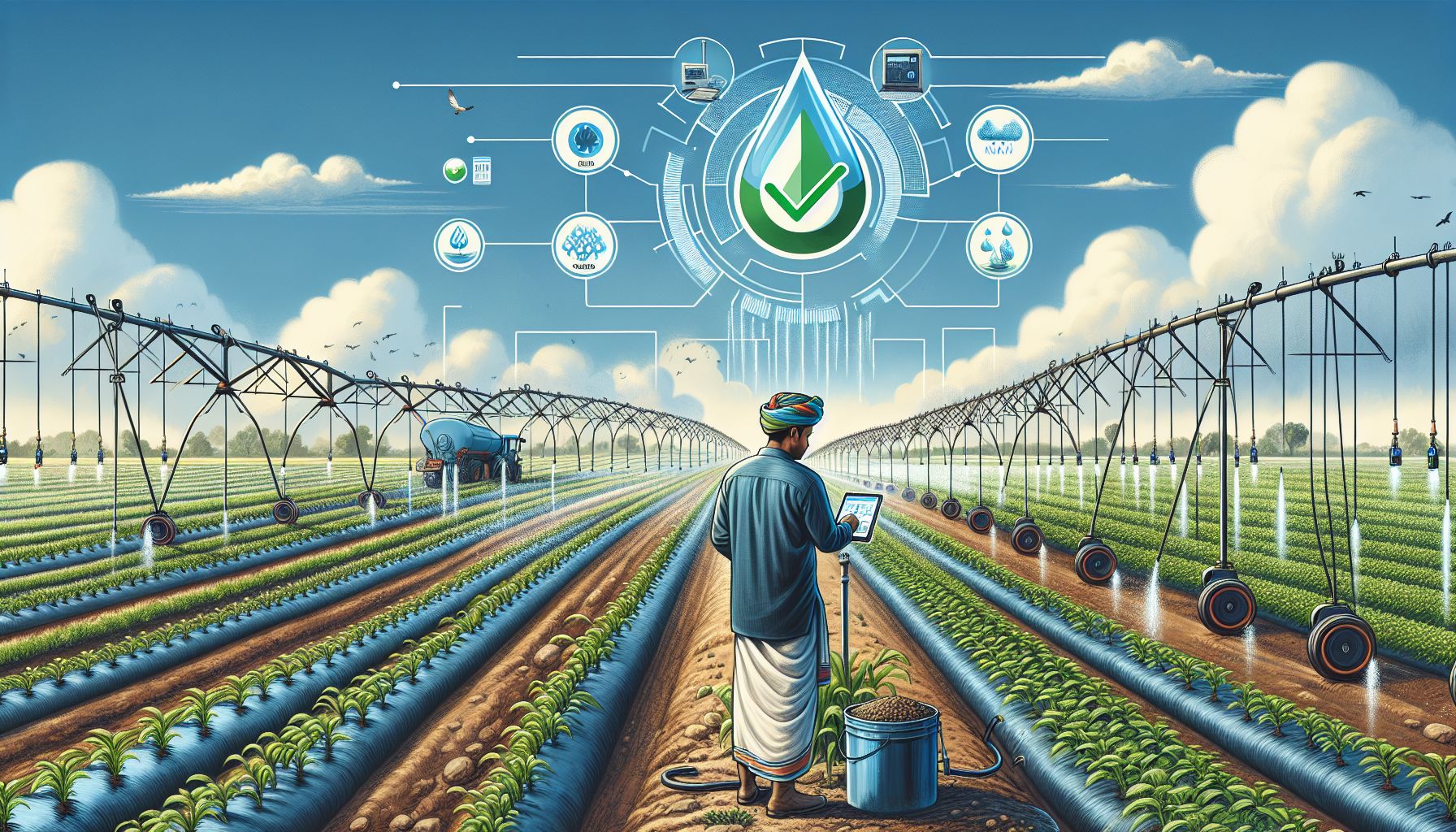
Agriculture is the lifeblood of civilizations, providing the essential sustenance needed for human survival. However, with the increasing pressure on water resources due to various factors such as climate change, population growth, and industrialization, there is a growing need for smarter strategies to conserve water in the agriculture sector. One of the most innovative and promising approaches to achieving water conservation in agriculture is through the use of smart irrigation systems. In this article, we will explore how these systems work, their benefits, how they are transforming agriculture, and the future outlook of smart irrigation technology.
Understanding Smart Irrigation
Smart irrigation is an advanced approach to water management that utilizes various technologies to optimize the watering of crops. At its core, smart irrigation systems aim to appropriately schedule and apply water in a way that meets the specific needs of plants while minimizing waste and maximizing efficiency.
Key Components of a Smart Irrigation System
Sensors: These are vital for providing real-time data on soil moisture levels, temperature, humidity, and sometimes plant health indicators. This data enables the system to make informed decisions on when and how much water to apply.
Controllers: Smart controllers use the data from sensors to automate the irrigation process. They can adjust the watering schedule based on weather forecasts and specific algorithms tailored to the crops’ watering needs.
Software: Advanced software platforms integrate the data and allow for remote management of the irrigation process. Farmers can monitor and adjust their irrigation systems via computer or mobile devices.
Weather Stations: Many smart systems are connected to weather stations to take into account real-time weather conditions, which can drastically alter watering needs.
Benefits of Using Smart Irrigation
Water Conservation
The primary advantage of using smart irrigation is the significant reduction in water usage. Systems are designed to apply water exactly where and when it is needed, thereby reducing run-off and evaporation.
Increased Crop Yields
Smart irrigation can improve plant growth and health, leading to better crop yields. With precise watering, plants receive the optimal amount of water, which fosters better development and can increase agricultural productivity.
Cost Savings
By conserving water, farmers can save on their utility bills. Additionally, reduced water usage may lower the energy costs associated with pumping and distributing water.
Environmentally Friendly
Smart irrigation systems contribute to the protection of natural water resources and help decrease the impact of agricultural runoff into local waterways.
Data-Driven Decisions
Farmers can make better-informed decisions about their crops and resource management by using data gathered from smart irrigation technology.
The Transformation of Agriculture through Smart Irrigation
Smart irrigation is not just a tool for water conservation; it is revolutionizing the agricultural industry. The transition from traditional practices to technology-driven techniques is leading to what some refer to as the “Fourth Agricultural Revolution” or “Precision Agriculture.”
Precision agriculture focuses on the efficiency of inputs like water and fertilizer to enhance productivity and sustainability. Smart irrigation is an integral part of this movement. By adopting these systems, farmers can optimize their operations, reduce environmental impact, and meet the rising food demands of a growing global population.
Case Studies and Success Stories
Numerous studies have shown the effectiveness of smart irrigation systems in agriculture. For example:
- In a study conducted by the University of Georgia (UGA), smart irrigation systems led to water savings of up to 15% without adversely affecting crop yields.
- A report published by the USDA demonstrated that farms using smart irrigation technologies were able to reduce water usage by up to 55%.
Future of Smart Irrigation
As the technology behind smart irrigation continues to advance, we can expect systems to become even more efficient and less expensive. Machine learning and artificial intelligence will likely play a larger role in future systems, allowing for even more precise water management. The integration of IoT (Internet of Things) technology will enhance remote monitoring capabilities and connectivity among devices.
Challenges and Considerations
While the benefits of smart irrigation are clear, there are still hurdles to widespread adoption. The initial cost of installing a smart irrigation system can be prohibitive for some farmers, particularly smallholders in developing countries. There’s also a learning curve associated with the use of these technologies, and some may be resistant to change from conventional methods.
Moreover, the reliance on technology raises concerns about cyber security and the potential for system breaches that could disrupt irrigation schedules and data accuracy.
Conclusion
Smart irrigation systems are a promising solution to the increasing water conservation needs in agriculture. With numerous benefits such as reduced water usage, increased crop yields, cost savings, and environmental protection, these systems are set to become an integral feature of modern farming.
There is little doubt that as technology continues to evolve, so will the capabilities and adoption of smart irrigation systems. They offer a way to meet agricultural demands sustainably, ensuring that we can feed the world’s population without depleting essential water resources.
With smart technology, agriculture is poised to become more productive and sustainable, helping safeguard both our food supply and the health of our planet’s ecosystems.
To learn more about smart irrigation and stay updated with the latest advances and case studies, consider checking out resources provided by organizations like the FAO (Food and Agriculture Organization of the United Nations) and the Irrigation Association.
Image: A state-of-the-art smart irrigation system efficiently watering an agricultural field.