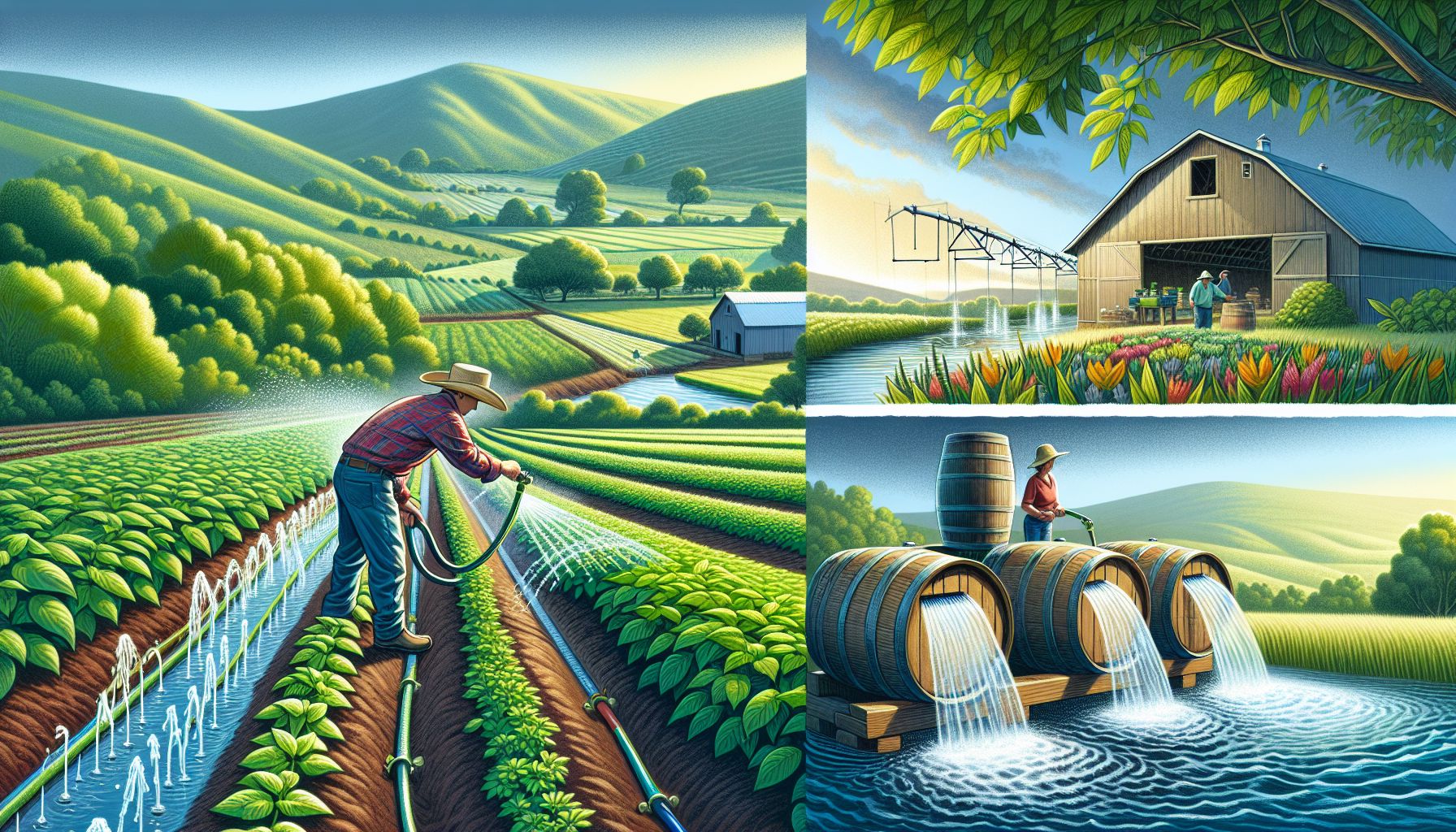
Agriculture is a cornerstone of human civilization and makes up a significant part of the economy in many countries. However, as the world’s population continues to grow, the strain on water resources also increases. This pressure is further exacerbated by climate change, leading to an urgent need for sustainable water management practices in agriculture. Sustainable water management is essential to ensure the availability of water for future generations, maintain the health of natural ecosystems, and support the agricultural sector’s resilience to climate variability.
Introduction to Sustainable Water Management
Sustainable water management in agriculture involves using water in ways that meet current crop requirements without compromising the ability of future generations to meet their needs. This approach includes a variety of strategies and techniques designed to conserve water, enhance its quality, and improve the economic viability of farming practices.
Water Scarcity and Agriculture’s Role
Agriculture accounts for approximately 70% of global freshwater withdrawals, making it the largest consumer of water resources. Inefficient use and management of water in agriculture can lead to water scarcity, which is becoming a critical problem in many parts of the world, especially in drought-prone and arid areas.
Key Sustainable Water Management Practices
1. Efficient Irrigation Systems
Drip Irrigation
One of the most water-efficient methods, drip irrigation, delivers water directly to the plant roots, minimizing evaporation and runoff. Drip systems can save up to 50% more water compared to traditional flood irrigation.
Sprinkler Systems
These systems can also be efficient when designed and managed correctly to avoid water wastage through evaporation and wind drift.
Subsurface Irrigation
Subsurface irrigation allows water to reach plant roots from beneath the soil surface, further reducing evaporation losses.
Smart Irrigation Controllers
Smart controllers can optimize irrigation schedules based on soil moisture levels, weather forecasts, and plant water requirements.
2. Soil Moisture Conservation
Mulching
Using organic or plastic mulch can significantly reduce evaporation from the soil surface, thereby conserving moisture for crop use.
Conservation Tillage
Practices like no-till or minimal tillage leave crop residues on the soil surface, increasing water infiltration and decreasing evaporation.
Crop Rotation and Intercropping
Rotating crops or growing complementary crops together can improve soil structure and water retention capacity.
3. Water Harvesting and Storage
Rainwater Harvesting
Farmers can capture rainwater from roofs or other surfaces for later use in irrigation.
On-farm Reservoirs and Ponds
Storing rainwater or water from other sources during times of abundance allows farmers to have an available supply during dry periods.
4. Use of Alternative Water Sources
Treated Wastewater
Reusing treated wastewater for irrigation can help alleviate pressure on freshwater resources.
Desalinated Water
In coastal areas, desalination technology can provide an additional water source for agriculture.
5. Crop Selection and Breeding
Drought-resistant Crops
Breeding or selecting crop varieties that require less water or are more tolerant to water stress can significantly reduce water use.
Crop Planning and Scheduling
Planting crops according to their water needs and the local climate’s seasonal patterns can optimize water use efficiency.
6. Integrated Pest and Nutrient Management
Biological Pest Control
Using natural predators or releasing beneficial insects can reduce the need for water-polluting chemical pesticides.
Nutrient Management
Balanced and precise application of fertilizers can prevent nutrient runoff and increase water quality.
Implementation Challenges and Solutions
Access to Technology and Capital
Farmers, especially in developing countries, may not have access to the capital necessary to invest in efficient irrigation systems. Micro-loans and government subsidies can help overcome these financial barriers.
Training and Education
Farmers must receive proper training in sustainable water management practices to implement them effectively. Extension services and agricultural education programs can play vital roles in this regard.
Policy and Regulation
Governments must create and enforce policies that encourage water conservation and punish wasteful practices. Policies could include water pricing that reflects the true cost of water, incentives for water-saving technologies, and regulations for water quality protection.
Case Studies and Success Stories
Around the world, successful implementation of sustainable water management practices in agriculture has been demonstrated. For instance:
- Israel is a global leader in drip irrigation, which has allowed the country to thrive agriculturally despite its arid climate.
- In India, farmers in the state of Andhra Pradesh have adopted community-based water management practices, leading to improved groundwater levels and agricultural productivity.
Sources
- Food and Agriculture Organization of the United Nations (FAO). (n.d.). Water for sustainable food and agriculture. FAO. http://www.fao.org/3/i7959en/I7959EN.pdf
- The World Bank. (n.d.). Irrigation Efficiency Improvement. World Bank. https://www.worldbank.org/en/topic/water-in-agriculture/brief/irrigation-efficiency-improvement
- The United States Department of Agriculture (USDA). (n.d.). Mulching. Natural Resources Conservation Service. https://www.nrcs.usda.gov/wps/portal/nrcs/detail/national/water/manage/irrigation/?&cid=nrcs143_009897
Sustainable water management practices in agriculture are not just beneficial; they are necessary for our survival and well-being. By adopting and continuously improving upon these methods, we can look forward to a future where both our agricultural industries and water resources can thrive in harmony.