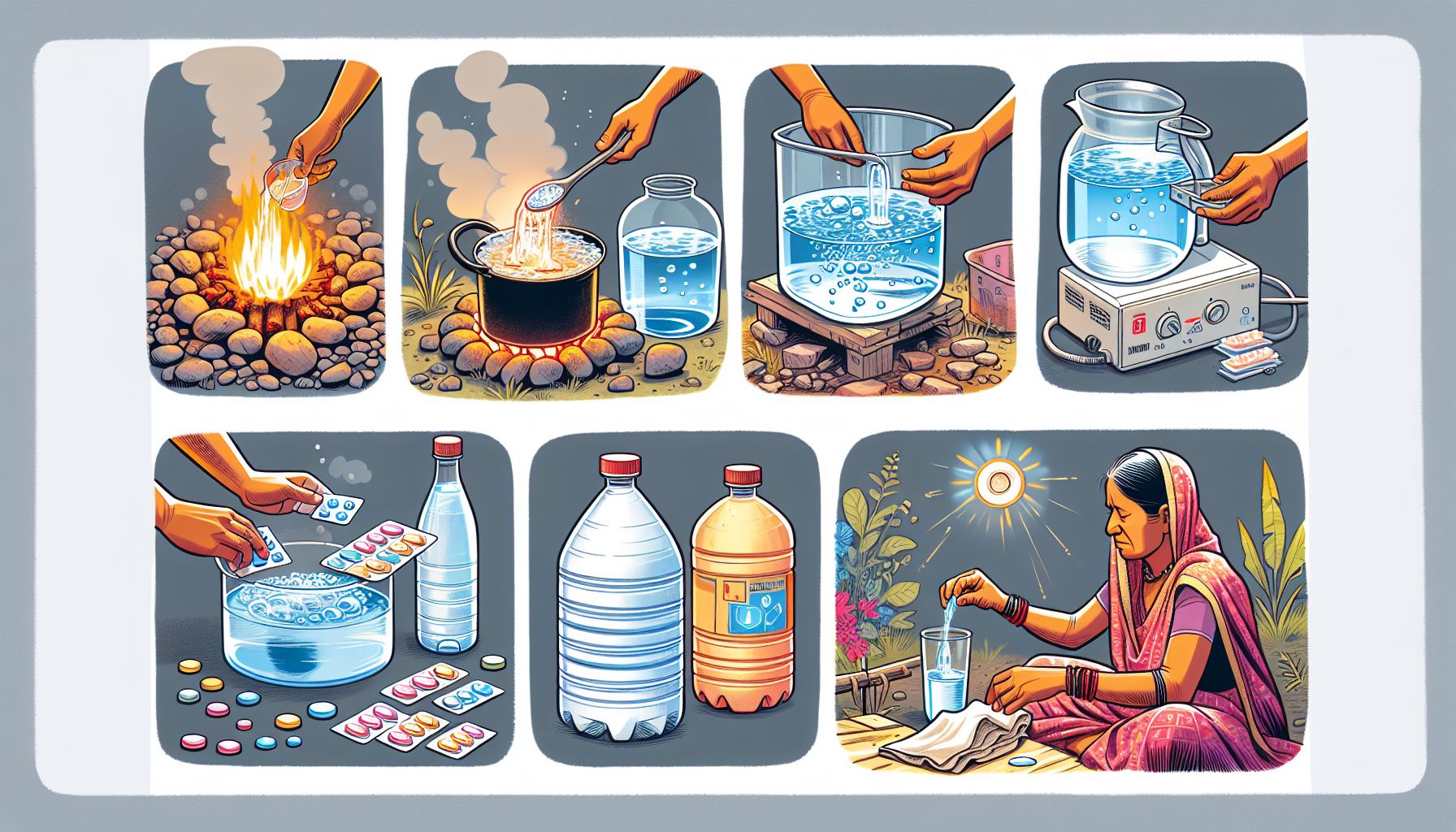
In emergency situations such as natural disasters, contamination of water sources is a common problem that can lead to outbreaks of waterborne diseases. It is crucial to have effective water disinfection methods in place to ensure the safety of drinking water for affected populations. In this article, we will explore various water disinfection methods that can be used in emergency situations.
Importance of Water Disinfection in Emergency Situations
When clean and safe drinking water is not readily available, people may resort to using contaminated water sources out of necessity. This puts them at risk of contracting waterborne diseases such as cholera, dysentery, and typhoid fever. In emergency situations, the need for effective water disinfection methods becomes even more critical to prevent the spread of such diseases and ensure the health and well-being of affected populations.
Common Water Disinfection Methods
1. Boiling Water
Boiling water is one of the simplest and most effective methods of disinfection. By bringing water to a rolling boil for at least one minute (or three minutes at higher altitudes), most harmful pathogens are killed, making the water safe to drink. This method is easy to implement and does not require any special equipment.
2. Chlorination
Chlorination is a widely used method of water disinfection that involves adding chlorine-based disinfectants such as bleach or chlorine tablets to water. Chlorine effectively kills most bacteria and viruses, making the water safe for consumption. It is important to follow the recommended dosage instructions to ensure proper disinfection.
3. Iodine Treatment
Iodine treatment is another method of water disinfection that involves adding iodine tablets or tincture to water. Iodine effectively kills bacteria, viruses, and parasites, making the water safe to drink. However, it is not recommended for pregnant women, people with thyroid conditions, or those allergic to iodine.
4. UV Water Purification
UV water purification systems use ultraviolet light to disinfect water by destroying the DNA of harmful microorganisms. These systems are effective at killing bacteria, viruses, and protozoa, making the water safe for consumption. UV water purifiers are compact, easy to use, and do not alter the taste or smell of water.
Conclusion
In emergency situations where access to clean and safe drinking water is compromised, effective water disinfection methods are essential to prevent the spread of waterborne diseases and protect the health of affected populations. Boiling water, chlorination, iodine treatment, and UV water purification are just a few examples of methods that can be used to disinfect water in emergency situations. It is important to be prepared and have the necessary supplies and knowledge to implement these methods when needed.
Sources:
1. World Health Organization. (2017). Emergency water supply. https://www.who.int/water_sanitation_health/emergencies/qa/emergencies_qa6/en/
2. Centers for Disease Control and Prevention. (2021). Emergency Water Treatment. https://www.cdc.gov/healthywater/emergency/drinking/emergency-water-treatment.html