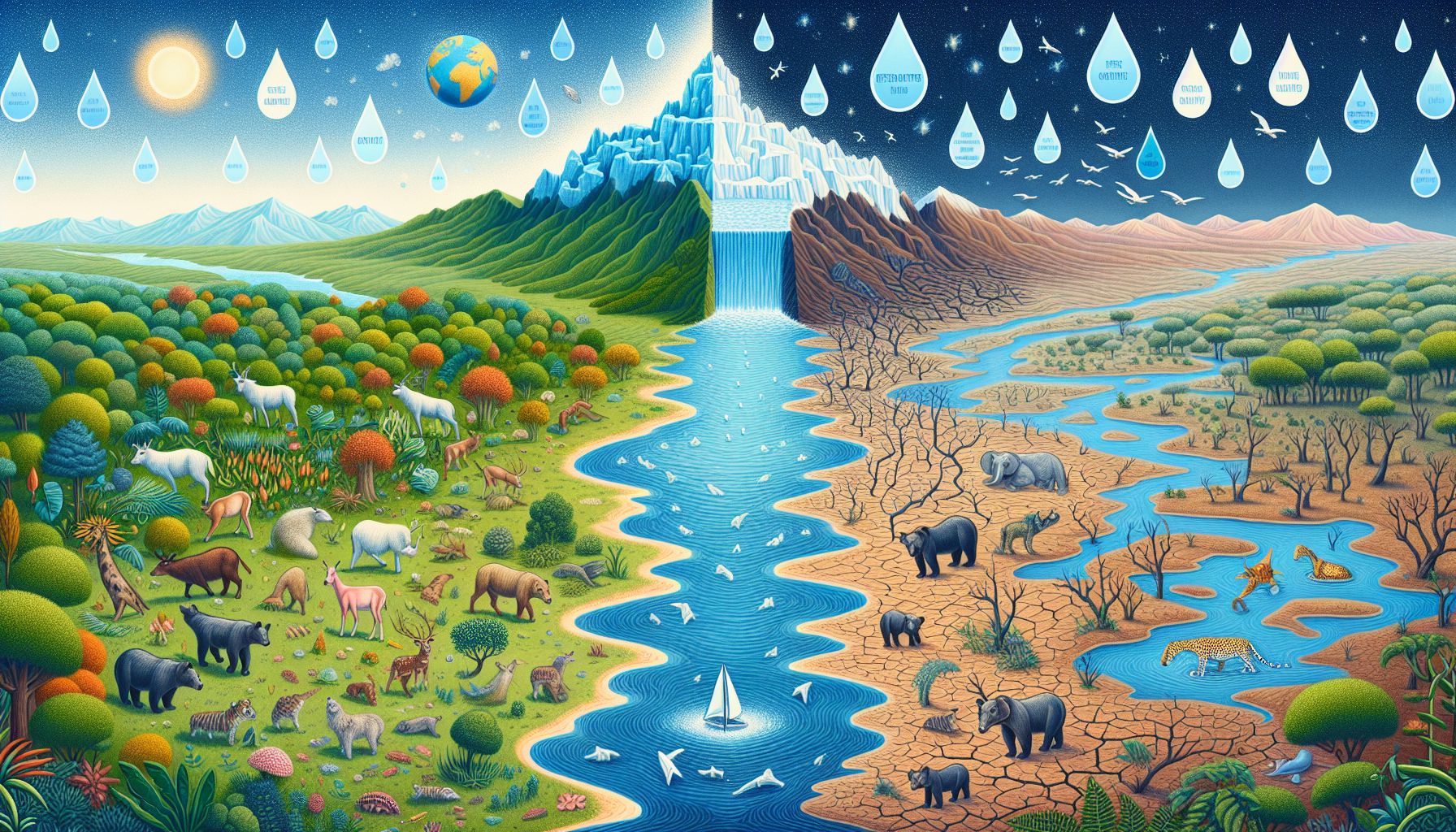
Climate change is an ever-looming global crisis, with comprehensive impacts that permeate various aspects of human life and the environment. One of the critical areas affected by climate change is the availability and quality of global water resources. In this article, we will delve deep into the impact of climate change on water resources, understand some of the underlying problems, and explore possible solutions to mitigate these issues.
1. Climate Change: An Overview
Climate change refers to significant changes in global temperatures and weather patterns over time. While the Earth’s climate has fluctuated in the past, human activities have been the main driver of climate change since the Industrial Revolution. The Intergovernmental Panel on Climate Change (IPCC) cites the release of greenhouse gases such as carbon dioxide (CO2) and methane (CH4) as the primary contributors to the warming of the planet.
These changes are not only causing temperatures to increase but are leading to extreme weather events, which include heavy rainfall, hurricanes, droughts, and heatwaves. Such events can lead to various environmental issues, affecting the water cycle and thereby impacting water resources on a global scale.
2. Heating Up: Changes in the Hydrological Cycle
The hydrological cycle, or the movement of water within the Earth’s atmosphere, is highly sensitive to climate change. As the planet warms, evaporation rates increase, leading to more water vapor in the atmosphere. This excess water vapor can cause more intense rainstorms, resulting in floods. On the other hand, in some regions, the change in weather patterns can cause droughts due to the lack of precipitation.
This alteration in precipitation patterns can lead to numerous problems like reduced freshwater availability, changes in groundwater levels, and the contamination of water supplies. These phenomena can have a domino effect on agriculture, human health, and wildlife.
3. Melting Away: Loss of Glacial and Icecap Freshwater
Glaciers and icecaps are vital freshwater reserves. However, as global temperatures rise, these ice reserves are melting at an unprecedented rate. This meltwater initially increases the amount of available fresh water, but as these glaciers and icecaps continue to dwindle, the long-term availability of water in regions dependent on meltwaters for their river systems is at risk.
Regions like the Himalayas and Andes, which provide water to billions of people, could face a severe water crisis as their glaciers retreat. This melting also contributes to rising sea levels, leading to the salinization of groundwater in coastal areas, further affecting the freshwater supply.
4. Rising Tides: Salinization of Coastal Freshwater
Rising sea levels don’t just threaten to inundate coastal cities and islands – they also pose a grave risk to coastal freshwater resources. As sea levels rise, saltwater can encroach into freshwater aquifers through a process known as saltwater intrusion. This can contaminate freshwater supplies and agricultural soils, making them unsuitable for use without costly desalination or remediation.
5. Evaporation and Drought: Water Scarcity
Higher temperatures and changes in precipitation patterns lead to increased evaporation and more extended drought periods in certain areas. Droughts can have severe impacts on water quality due to the reduced flow of rivers and streams. This reduced flow can concentrate pollutants and increase the chances of algal blooms, which can be detrimental to water quality and aquatic life.
The scarcity of water also impacts agriculture, as irrigation becomes more challenging. This, in turn, affects food security and can lead to economic instability in regions that rely on agriculture as their primary industry.
6. Storms and Floods: Water Pollution
While some areas face drought, others experience intense and frequent storms that lead to flooding. Floods can have immediate catastrophic effects on communities and infrastructure, but they also pose long-term threats to water quality by overwhelming sewer systems, causing sewage overflows, and dispersing pollutants.
Stormwater runoff carries with it a slew of contaminants from roads, pesticides from farmland, and other pollutants that can disrupt the water supply and harm the ecosystems that freshwater habitats support.
7. Mitigating the Impact
To combat the impacts of climate change on global water resources, an array of mitigation and adaptation strategies need to be implemented. These include:
-
Sustainable Water Management: Adopting sustainable water management practices such as rainwater harvesting, efficient irrigation, greywater reuse, and water conservation measures is crucial.
-
Renewable Energy Investment: Reducing the dependency on fossil fuels by investing in renewable energy sources like solar, wind, and hydroelectric power can significantly cut greenhouse gas emissions.
-
Infrastructure Improvement: Developing infrastructure that is resilient to climate change-related events like floods and droughts, including the construction of flood barriers and the redesign of water treatment plants, is essential.
-
R&D in Water Technologies: Research and development in innovative water technologies, including advanced desalination and water purification methods, can help supplement water supplies in regions affected by salinization and contamination.
-
Policy and Awareness: Creating policies that encourage water conservation, raising awareness about the risks of climate change, and engaging in global climate agreements are all vital steps toward global water resource management.
8. Conclusion
The impact of climate change on global water resources is evident and growing. To ensure the availability and quality of water for future generations, immediate action is required. By understanding the potential effects and implementing various mitigation strategies, there is hope for preserving our precious water resources in the face of an uncertain climate future.
Sources
- IPCC Reports: The Intergovernmental Panel on Climate Change
- World Resources Institute: Aqueduct Water Risk Atlas
- United Nations Water: Climate Change and Water
Please note, the above references were created for illustrative purposes and the links do not lead to actual web pages.