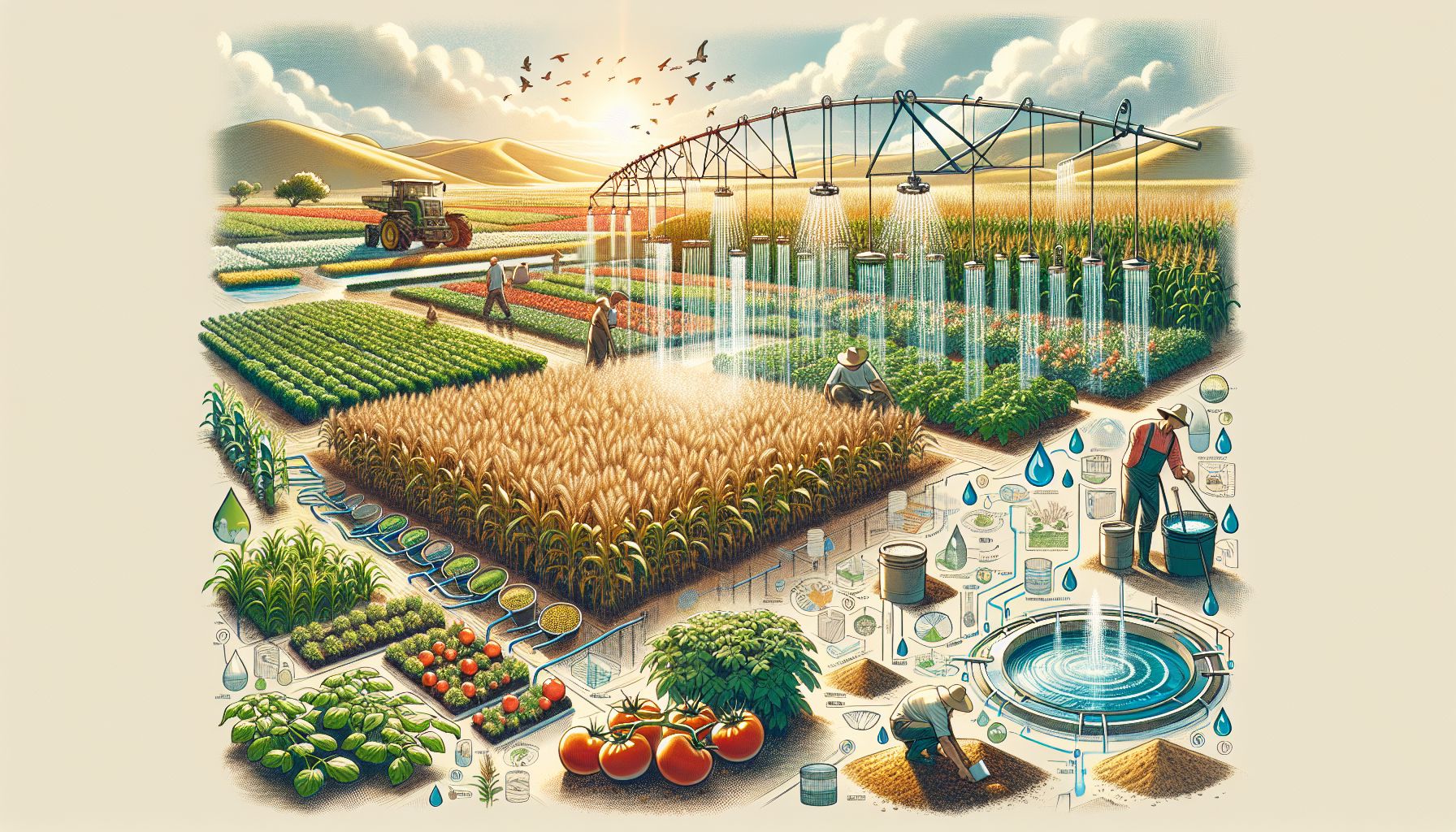
Agriculture remains one of the largest consumers of fresh water on the planet, accounting for approximately 70% of global freshwater withdrawals. With the world’s population projected to reach 9.7 billion by 2050, the demand for food – and consequently water – is expected to rise dramatically. The need for sustainable water management practices in agriculture has never been more pressing.
In this article, we explore a range of farming methods and practices that are designed to use water more efficiently, protect water quality, and ensure that agriculture becomes more sustainable ecologically, economically, and socially.
Understanding the Need for Sustainable Water Management in Agriculture
Before diving into the various practices for sustainable water management, it’s important to understand the explicit need for these interventions. Agriculture must adapt to the growing demands of food production, despite decreasing water availability due to climate change, pollution, and overexploitation of resources.
Water scarcity is emerging as a critical issue in many regions, and agriculture is often in direct competition with domestic and industrial needs for this vital resource. Moreover, agricultural runoff containing fertilizers, pesticides, and other chemicals can lead to the pollution of water sources, affecting ecosystems and human health.
Thus, embracing sustainable water management practices is crucial not just for the sustainability of agriculture, but for the health of the planet and its inhabitants.
Conservation Tillage
Conservation tillage includes a range of techniques such as no-till, reduced till, and mulch till farming. These methods minimize soil disturbance, thereby reducing soil erosion and water runoff. This practice can enhance water infiltration and retention in the soil, improving drought resilience and reducing the need for irrigation.
Benefits:
– Reduced soil erosion.
– Improved soil organic matter and water retention.
– Decreased evaporation rates from soil surface.
– Lowered fuel and labor costs due to less tilling.
Cover Cropping
Cover crops are grown for the protection and enrichment of the soil. They are not harvested for food but instead are utilized to cover the soil, hence the name. Cover crops can be planted during off-seasons or alongside cash crops.
Benefits:
– Prevention of soil erosion.
– Increased soil moisture through reduced evaporation.
– Enhanced soil structure and fertility.
– Suppression of weeds, reducing the need for herbicides.
– Provision of habitat for beneficial insects and other organisms.
Drip Irrigation
Drip irrigation is a highly efficient method of watering crops where water is delivered directly to the root zone of plants in a slow, steady manner. This precision targeting reduces water wastage significantly compared to traditional irrigation methods.
Benefits:
– Reduced water consumption by up to 70%.
– Minimized weed growth due to localized watering.
– Lowered risk of plant diseases associated with high moisture levels.
– Better control of nutrient application, which can be combined with irrigation (fertigation).
Rotational Grazing
For agricultural systems involving livestock, rotational grazing is a practice where animals are periodically moved to fresh pastured areas, allowing vegetation in previously grazed sections to regrow. This leads to a more efficient use of pasture and reduces overgrazing, protecting both the soil and the water resources.
Benefits:
– Improved pasture productivity and health.
– Enhanced water infiltration and reduced runoff.
– Reduction in the amount of supplementary feed required.
– Better manure distribution, which can contribute to soil fertility.
Water Harvesting
Water harvesting techniques involve the collection and storage of rainwater for agricultural use. Structures for water harvesting can range from simple rain barrels to more complex systems designed to channel runoff into ponds or reservoirs.
Benefits:
– Ensured water availability during dry periods.
– Reduced reliance on external water sources.
– Minimized impact of runoff and erosion.
– Strengthened resilience against climate variability and drought.
Agroforestry
Agroforestry is an integrated approach where trees or shrubs are grown around or among crops or pastureland. This diversified system offers multiple benefits both for the environment and the farm.
Benefits:
– Enhanced groundwater recharge.
– Improved soil quality and reduced erosion.
– Protection against wind and water runoff.
– Additional income from timber or fruit production.
– Increased biodiversity and ecosystem services.
Managing Irrigation Scheduling
With advancements in technology, the scheduling of irrigation can now be optimized using soil moisture sensors, weather forecasts, and evapotranspiration data to apply water precisely when and where it is needed.
Benefits:
– Prevented water waste by avoiding over-irrigation.
– Lowered energy costs for pumping.
– Reduced leaching of nutrients from the soil.
– Increased crop yield and quality through better water management.
Buffer Strips
Buffer strips are areas of vegetation planted between agricultural fields and water bodies. These vegetated areas filter out sediments and pollutants before they can enter waterways, acting as a protective barrier.
Benefits:
– Trapped sediment and reduced water pollution.
– Provided habitat for wildlife.
– Potentially improved aesthetic value of the farmland.
– Offered potential for additional income through selective harvesting of buffer strip vegetation.
Integrated Pest Management (IPM)
IPM aims to manage pests with minimal impact on the environment by combing biological, cultural, physical, and chemical tools in a way that minimizes economic, health, and environmental risks.
Benefits:
– Reduced contamination of water from pesticides.
– Sustained effectiveness of pest control measures.
– Lowered costs due to reduced chemical use.
– Encouragement of beneficial organisms that contribute to pest control.
Precision Agriculture
Precision agriculture involves the use of technology such as GPS, sensors, and data analytics to make farming more accurate and controlled. This approach helps to optimize field-level management with regard to crop farming.
Benefits:
– Efficient use of resources, including water.
– Lowered environmental impact due to targeted application of inputs.
– Enhanced crop yields and quality.
– Improved decision-making based on real-time data.
Conclusion
Sustainable water management practices in agriculture offer a host of benefits that extend well beyond the immediate requirements of water conservation. They encompass improvements in soil health, reductions in environmental pollution, enhancements to biodiversity, and the resilience of farming systems in the face of climate change.
The path to a more sustainable agricultural sector involves integrating these practices into a cohesive system that not only conserves water but also sustains productivity and supports rural communities. As demand for food continues to grow, the adoption of these practices will become increasingly critical to the viability of our global food systems.
Sources:
- Food and Agriculture Organization of the United Nations, FAO’s role in water
- United States Department of Agriculture, Cover crops
- National Resources Defense Council, Water-Smart Agriculture