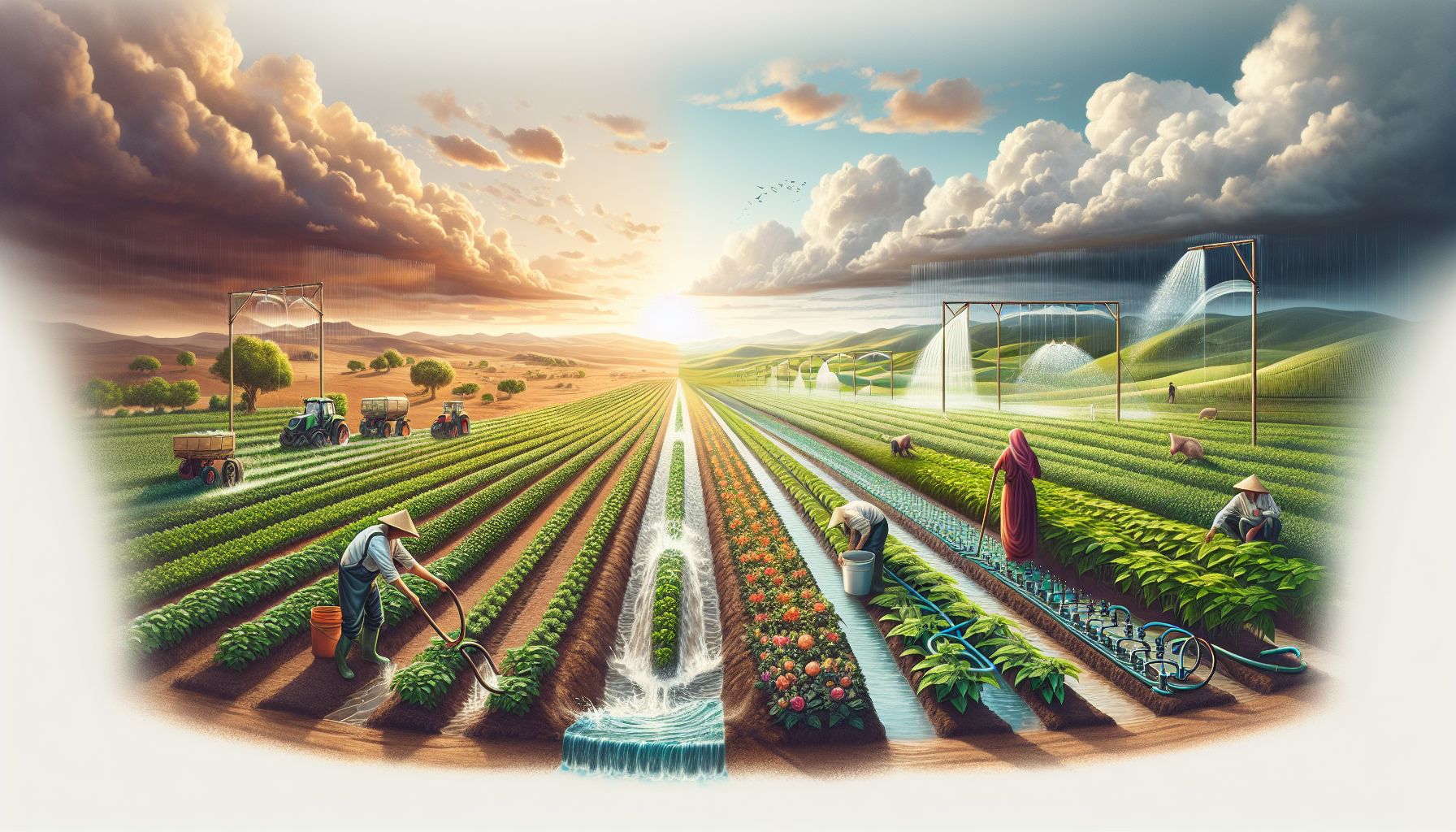
Agriculture is a vital sector that feeds civilizations, shapes economies, and nurtures ecosystems. However, it is also one of the largest consumers of water, accounting for roughly 70% of all freshwater withdrawals globally. As water scarcity becomes a pressing concern, especially in light of climate change and a growing population, sustainable water management practices in agriculture become paramount for ensuring a secure future. This article explores the various methods and innovations that contribute to sustainable water use in farming, benefiting both the environment and the agricultural community.
Understanding Water Use in Agriculture
Before diving into the specifics of water management practices, it’s crucial to comprehend why agriculture consumes so much water. Crops need water for photosynthesis, nutrient uptake, and cooling. Livestock also require water for hydration, hygiene, and cooling. Traditional farming methods and irrigation systems often use water inefficiently, leading to wastage and depletion of local water resources.
Sustainable Water Management Practices
The following section outlines practices and innovations that significantly contribute towards sustainable water management in agriculture.
1. Water-Smart Crop Choices
Sustainability begins with selecting the right crops. Some plant varieties are more drought-resistant or have been genetically modified to require less water. By choosing crops that are suited to the local climate and soil conditions, farmers can minimize the need for irrigation and make use of natural rainfall more effectively.
2. Soil Conservation Techniques
Soil health is an integral factor affecting water retention and usage. Soil conservation practices such as cover cropping, reduced tillage, and organic matter enhancement can improve soil structure, thereby improving water absorption and reducing runoff. Organically rich soil retains water much better than compacted or degraded soil.
3. Drip Irrigation
Drip irrigation is a precise irrigation method that delivers water directly to the base of the plant. This technique minimizes evaporation and runoff, ensuring that most of the water reaches the crop roots. It’s highly efficient in terms of both water and energy use.
4. Rainwater Harvesting
Capturing and storing rainwater for agricultural use is a time-honored technique that is becoming increasingly sophisticated. Modern rainwater harvesting systems can support large-scale irrigation needs by collecting runoff from roofs and other surfaces.
5. Water Recycling and Reuse
The use of recycled water, or water reclaimed from various processes such as filtration or sedimentation, is a game-changer for sustainability. This can include treated greywater and even agricultural runoff that is collected, treated, and returned to the fields.
6. Sensor Technology
Emerging sensor technologies allow for real-time monitoring of soil moisture and plant water needs. This information can be used to optimize irrigation scheduling, ensuring water is applied only when the plants require it, reducing waste.
7. Managed Aquifer Recharge
Managed Aquifer Recharge (MAR) is a method where excess surface water is intentionally directed into underground aquifers for storage and use during dry periods. This practice can involve techniques such as infiltration basins or direct injection into wells.
8. Crop Rotation and Diversification
Rotating crops and growing a diversity of species can reduce water needs and support soil moisture retention. Certain plants can even improve soil structure and increase the organic matter, enhancing the soil’s capacity to hold water.
9. Agroforestry
Integrating trees into agricultural lands (agroforestry) can contribute to water sustainability through enhanced groundwater recharge, reduced evaporation, and improved microclimates. Trees also provide additional benefits, such as carbon sequestration and habitat for biodiversity.
10. Policy and Economic Incentives
Encouraging the adoption of these practices through policy measures and economic incentives is vital. Governments and international organizations can play a pivotal role in supporting farmers to invest in efficient technologies and practices through subsidies, low-interest loans, or tax breaks.
Benefits of Sustainable Water Management
Economic Benefits
Adopting sustainable practices often leads to reduced water costs and can increase crop yields by improving the overall health of the ecosystem. Long-term economic benefits also come from the resilience of these practices in the face of climate variability.
Environmental Benefits
By reducing runoff and optimizing water use, sustainable practices can minimize soil erosion, prevent water pollution, and conserve local water resources. They also contribute to the preservation of ecosystems that depend on the same water resources as agriculture.
Social Benefits
Sustainable water management in agriculture supports food security and rural development. It can alleviate poverty by increasing productivity and generating employment, while also ensuring that ample water resources are available for future generations.
Case Studies and Examples
Israel’s Drip Irrigation Success
Israel is a leading example of a country that has successfully implemented widespread use of drip irrigation. With scarce water resources and harsh climatic conditions, the adoption of efficient irrigation methods has allowed Israeli agriculture to thrive.
The System of Rice Intensification (SRI)
This methodology, developed in Madagascar, focuses on increasing the yields of rice while reducing water usage. SRI involves planting fewer seeds and carefully managing water levels, which has resulted in significant improvements in rice productivity and water savings.
Conclusion
Sustainable water management practices for agriculture are not just a matter of environmental concern; they’re a central component of a resilient agricultural sector. As water scarcity challenges become more prevalent, it is these practices that will shape the ability of farmers worldwide to continue producing food, maintaining livelihoods, and supporting ecosystems.
Sources
- Food and Agriculture Organization of the United Nations. (n.d.). Water for agriculture and food. http://www.fao.org/land-water/water/water-management/en/
- California Agricultural Water Stewardship Initiative. (n.d.). Approaches to Agriculture Water Use Efficiency. http://agwaterstewards.org/
- International Water Management Institute. (n.d.). Solutions for sustainable agriculture and environment. https://www.iwmi.cgiar.org/
Each of the practices mentioned in this article can be implemented individually or in combination to develop a tailored, sustainable agriculture water management strategy. As technologies advance and our understanding of eco-friendly practices improves, the agricultural sector will continue to innovate and adapt, ensuring the necessary balance between our needs and the planet’s resources.