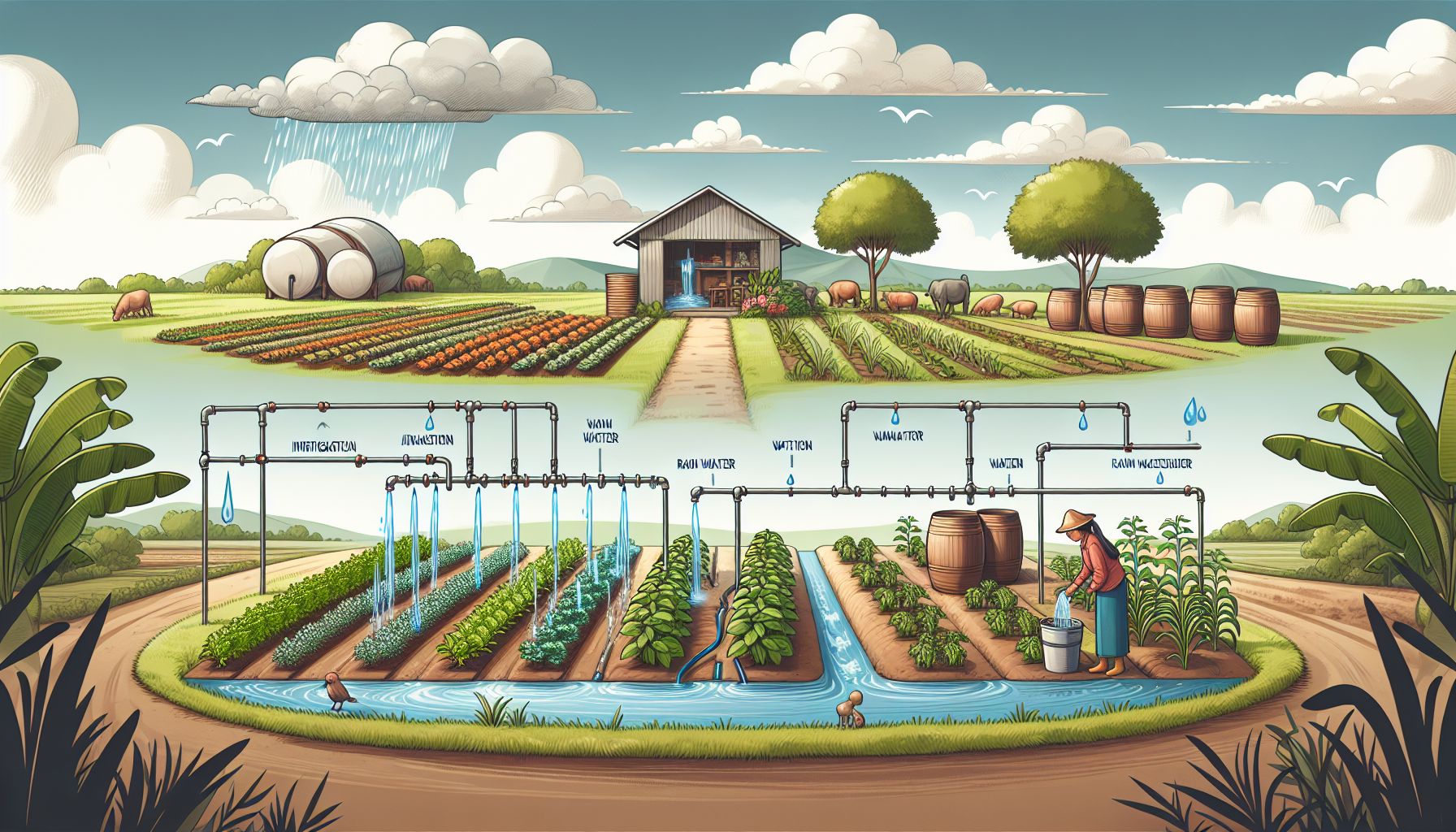
As the global demand for food increases and climate variability intensifies, sustainable water management in agriculture has become more crucial than ever. Agriculture consumes about 70% of the world’s fresh water supply, making it essential for farmers and policymakers to apply water management practices that ensure the long-term availability of this critical resource. In this article, we will explore various strategies that can lead to more efficient and sustainable use of water in agricultural settings.
The Need for Sustainable Water Management in Agriculture
With an ever-growing population, the stress on agricultural systems to produce enough food is immense. Coupled with this pressure is the challenge posed by climate change, which is making water supplies more uncertain and variable. Prolong periods of drought, unpredictable rainfall, and the depletion of aquifers are just some of the issues facing today’s farmers.
Sustainable water management practices aim to address these challenges by promoting the efficient use of water, enhancing the productivity of water, and ensuring the health of aquatic ecosystems. Implementing such strategies can help in securing food supplies and reducing the environmental impact of agricultural practices.
Water Conservation Techniques
1. Improved Irrigation Systems
-
Drip Irrigation: Drip irrigation is a highly efficient system that delivers water directly to the plant’s root zone, reducing water loss due to evaporation or runoff. It is suitable for a wide range of crops and is especially effective in arid regions.
-
Sprinkler Systems: Sprinkler systems can be tailored to the needs of specific crops and soil types. Modern systems are equipped with timers and moisture sensors to ensure that water is used optimally.
-
Subsurface Irrigation: This system involves burying the water delivery system below the soil surface, which reduces water loss and can improve yields by providing a more consistent moisture supply to the plants.
2. Rainwater Harvesting
Capturing and storing rainwater for agricultural use is a simple and cost-effective water management practice. This water can be used for irrigation during dry periods, thereby reducing reliance on ground and surface water supplies.
3. Soil Moisture Management
Maintaining optimal soil moisture levels is key for crop health. Techniques include:
- Conservation Tillage: Reducing tillage helps retain soil moisture and also improves soil structure.
- Cover Crops: Planting cover crops helps retain soil moisture, reduce erosion, and enrich soil health.
- Mulching: Mulching involves covering the soil with organic or inorganic materials, which helps retain soil moisture and reduce weed growth.
Water Productivity Enhancement
1. Crop Selection and Planting Patterns
Choosing crops that are naturally more drought-resistant or that have shorter growing periods can significantly reduce water consumption. Additionally, altering planting patterns to make more efficient use of space and resources can enhance water productivity.
2. Crop Rotation and Diversification
Rotating crops and incorporating a larger variety of crops can improve soil health and reduce water needs by making better use of natural rainfall.
Technological Advancements
1. Precision Agriculture
Precision agriculture utilizes technology such as GPS, drones, and satellite imaging to tailor water, fertilizer, and pesticide applications to the specific needs of each section of a farm, thereby conserving water and increasing yields.
2. Data Management and Forecasting Tools
Software and mobile applications can help farmers make more informed decisions about water use by monitoring weather patterns, soil moisture levels, and plant health.
Policies and Incentives
The adoption of sustainable water management practices can be further promoted through various policies and incentives:
- Subsidies for Efficient Irrigation Equipment: Providing financial support for farmers to upgrade to more efficient irrigation systems.
- Education and Training Programs: Educating farmers about sustainable practices and new technologies.
- Water Rights and Allocation Policies: Implementing fair and effective water rights policies that incentivize conservation.
Integrated Water Management
Integrated Water Resources Management (IWRM) is a process that promotes the coordinated development and management of water, land, and related resources to maximize economic and social welfare without compromising the sustainability of vital ecosystems. This approach is especially important in regions where water resources cross political or jurisdictional boundaries.
Conclusion
Sustainable water management in agriculture is crucial for ensuring food security and environmental sustainability. By adopting conservation techniques, enhancing water productivity, leveraging technological advancements, and implementing supportive policies, the agricultural sector can become more resilient and efficient in its water use.
Implementing these practices requires concerted efforts from farmers, policymakers, researchers, and technology developers. The transition towards more sustainable agricultural practices is not only about securing water resources but also about safeguarding our future in an ever-changing climate.
Sources
- “The State of Food and Agriculture 2020” by the Food and Agriculture Organization of the United Nations (FAO) – http://www.fao.org/3/ca9692en/ca9692en.pdf
- “Integrated Water Resources Management (IWRM) in Action” by United Nations World Water Assessment Programme – http://unesdoc.unesco.org/images/0015/001554/155406E.pdf
- “Precision Agriculture: An Opportunity for EU Farmers – Potential Support with the CAP 2014-2020” by the European Parliament – http://www.europarl.europa.eu/RegData/etudes/STUD/2015/540374/IPOL_STU(2015)540374_EN.pdf