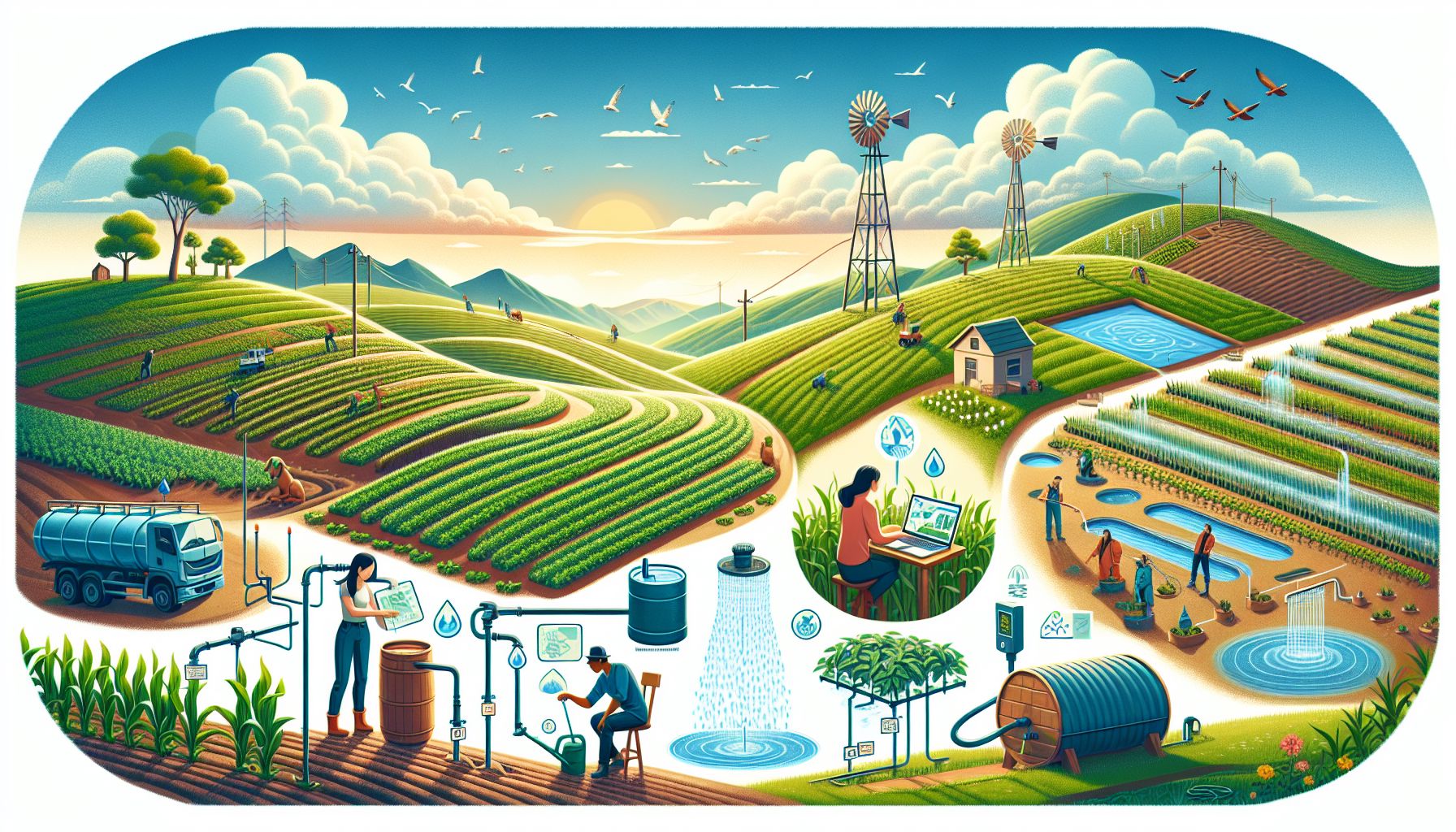
Agriculture is the largest consumer of freshwater resources, accounting for approximately 70% of all freshwater withdrawals globally. It’s more than just an industry; it’s the foundation for food security and an integral part of the global economy. However, the sector is under increasing pressure to use water more efficiently due to growing populations, escalating food demands, and the looming threat of climate change. Sustainable water management practices are essential to ensure the long-term viability of water resources and agricultural productivity.
In this article, we’ll delve into sustainable water management practices that can be implemented in agricultural settings, discuss their benefits, and examine how they contribute to the overall health of ecosystems and communities.
Understanding Water Management in Agriculture
Before exploring different management strategies, it’s crucial to understand why water management is pivotal in agriculture. Water plays a key role at every stage of crop production, from germination to harvest. Inadequate or excessive water can profoundly impact crop yields and quality. Moreover, inefficient water use can lead to soil degradation, increased salinity, nutrient leaching, and the pollution of water bodies.
Conservation Tillage
Conservation tillage is a practice that minimizes soil disturbance and retains crop residue on fields. This method helps conserve soil moisture, reduce water runoff, and lower the demand for irrigation. Techniques like no-till or reduced-till farming have been shown to enhance water conservation and reduce erosion, leading to healthier soils with better water retention capacity.
Crop Rotation and Diversification
Rotating crops and diversifying plantings are time-honored strategies that can improve soil health and water usage. Different plants have various root structures and water needs, which can help maintain soil structure and reduce waterlogging or erosion. Diverse cropping systems can also break pest and disease cycles, reducing reliance on chemical inputs that could contaminate water supplies.
Irrigation Scheduling
Irrigation scheduling involves watering crops at the right time and in the right amounts to achieve optimal growth conditions while minimizing water waste. Farmers can use soil moisture sensors, weather forecasts, and evapotranspiration rates to determine the best irrigation schedule for their crops. This precision approach helps ensure that plants receive water only when needed, significantly reducing water usage.
Drip Irrigation
Drip irrigation is a highly efficient system that delivers water directly to the base of the plant through a network of tubing and emitters. This method minimizes evaporation and runoff, making it an excellent choice for areas with water scarcity. Drip systems can be tailored to the specific water requirements of each plant, optimizing growth while saving water.
Rainwater Harvesting
The collection and storage of rainwater on-farm can provide a supplemental water source during dry spells. Rainwater harvesting can be as simple as capturing runoff from roofs or as complex as creating large-scale capture and storage systems. When integrated effectively, harvested rainwater can reduce dependence on freshwater sources for irrigation.
Constructed Wetlands and Buffer Strips
Constructed wetlands act as natural filters for runoff, trapping sediments and nutrients before they enter waterways. Similarly, planting buffer strips of vegetation along the edges of fields can catch runoff, absorb excess nutrients, and prevent soil erosion. Both practices enhance water quality, support biodiversity, and provide habitat for beneficial organisms.
Mulching
Applying organic or synthetic mulches to the soil surface helps retain moisture, suppress weeds, and regulate soil temperature. Organic mulches like straw or compost can improve soil fertility over time, while synthetic mulches, such as plastic films, can be used to target specific water conservation goals.
Integrated Pest Management (IPM)
IPM is a holistic approach to pest control that relies on a combination of biological, cultural, physical, and chemical methods to manage pests with minimal environmental impact. By reducing reliance on pesticides, IPM helps preserve water quality and supports the health of aquatic ecosystems.
Education and Training
Finally, educating farmers about sustainable water management practices is key to their successful implementation. Government agencies, non-profit organizations, and agricultural extensions have significant roles in providing training and resources to farmers, helping them transition to more sustainable practices.
The Benefits and Challenges
Sustainable water management practices offer numerous benefits, including increased crop resilience to drought, improved soil health, enhanced water quality, and greater biodiversity. Additionally, these practices can provide economic benefits by reducing input costs and producing higher-quality, marketable crops.
However, the adoption of these practices can sometimes be challenging due to financial constraints, lack of access to technology, or resistance to changing traditional farming methods. Despite these challenges, the long-term benefits of sustainable water management make it a vital consideration for the future of agriculture.
Sources
- Food and Agriculture Organization of the United Nations (FAO) – Water and Agriculture
- United States Department of Agriculture (USDA) – Natural Resources Conservation Service
- The Nature Conservancy – Sustainable Agriculture
Implementing sustainable water management practices in agriculture requires a multifaceted approach and the commitment of various stakeholders. By adopting these strategies, the agricultural sector can become more resilient to disturbances, ensure water security, and contribute positively to global environmental and economic sustainability. The call to action is clear: we must rethink how we use water in agriculture to secure the future of food and water resources for generations to come.