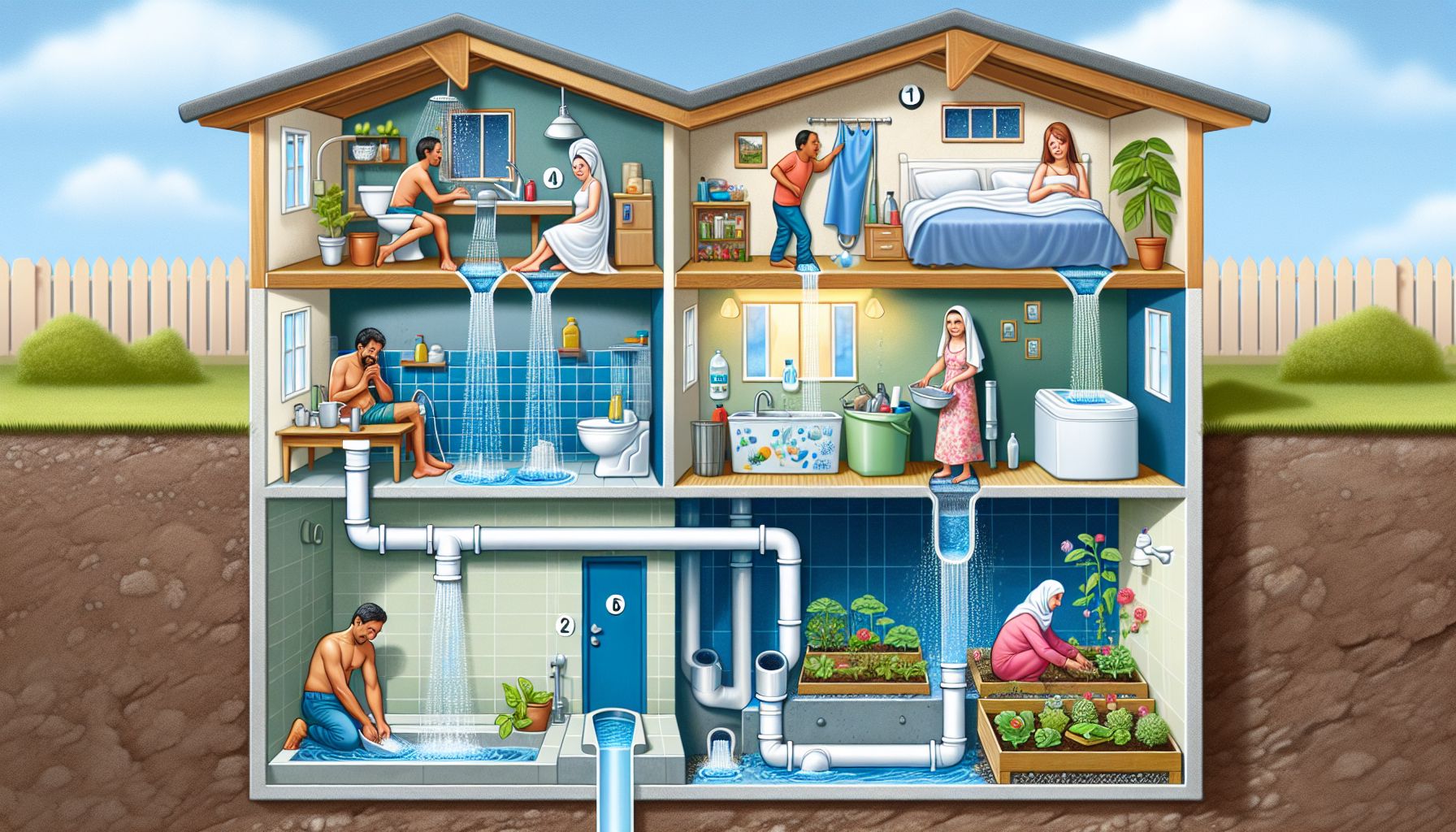
In today’s world where water scarcity is becoming a growing concern, it is essential for households to adopt sustainable practices to conserve and reuse water. One effective way to achieve this is by implementing greywater recycling systems. Greywater is wastewater generated from sources such as laundry, showers, and sinks, which can be treated and reused for non-potable purposes like watering plants or flushing toilets.
Benefits of Greywater Recycling Systems
Greywater recycling systems offer several benefits for both the environment and homeowners. By reusing greywater, households can significantly reduce their demand for freshwater, thereby easing the pressure on strained water resources. This can also lead to lower utility bills, as less water needs to be purchased and treated.
Moreover, greywater recycling systems help in preventing pollution of water bodies by diverting wastewater away from sewage systems. This can improve water quality and reduce the energy and chemicals required for wastewater treatment. In addition, reusing greywater for irrigation can provide nutrients to plants, promoting healthier growth.
Types of Greywater Recycling Systems
There are various types of greywater recycling systems available for residential use, each offering different levels of treatment and complexity. Some common systems include:
-
Laundry-to-Landscape Systems: This simple and cost-effective system redirects water from the washing machine to outdoor plantings through a series of pipes and mulch basins.
-
Branched Drain Systems: Greywater from showers, sinks, and tubs is filtered and distributed directly to plants in landscaping beds without the need for a storage tank.
-
Pumped Systems: These systems involve collecting greywater in a tank, treating it with filters or disinfectants, and then pumping it to water plants or toilets.
-
Constructed Wetlands: This natural system uses plants and soil to filter and treat greywater before it is used for irrigation.
Considerations for Installing a Greywater Recycling System
Before installing a greywater recycling system in your home, there are several factors to consider to ensure its effectiveness and compliance with local regulations:
-
Water Quality: Greywater should be filtered and treated appropriately to remove contaminants and pathogens before reuse.
-
System Maintenance: Regular maintenance is essential to ensure the proper functioning of the system and prevent odors or clogs.
-
Local Regulations: It is important to check with local authorities regarding regulations and permits for installing greywater recycling systems.
-
Cost: The initial cost of installing a greywater recycling system and ongoing maintenance expenses should be taken into account.
Sources:
-
Water Research Foundation, “Residential Greywater Reuse Systems: A Literature Review and Guidance Document” https://www.waterrf.org/resource/residential-greywater-reuse-systems-literature-review-and-guidance-document
-
U.S. Environmental Protection Agency, “Greywater Reuse” https://www.epa.gov/waterreuse/greywater-reuse