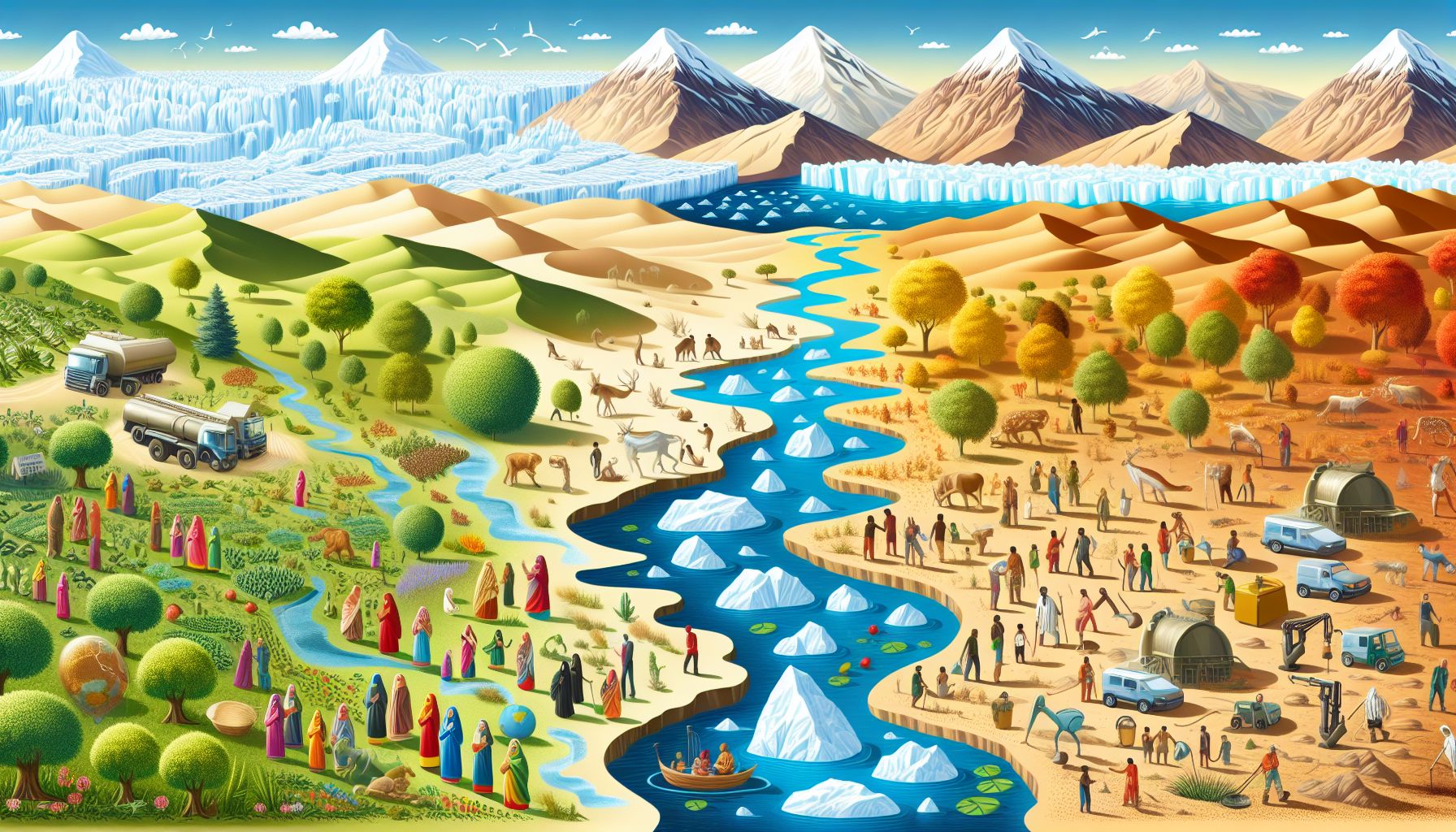
Climate change is a pressing issue that is having profound effects on our planet, including the availability and quality of water resources. As temperatures rise, extreme weather events such as droughts and floods are becoming more frequent, leading to water scarcity in some regions and water excess in others. It is crucial to understand the impact of climate change on global water resources and implement sustainable water management practices to mitigate these effects.
The Impacts of Climate Change on Water Resources
Climate change is altering the hydrological cycle, causing changes in precipitation patterns, melting glaciers, and rising sea levels. These changes have significant implications for the quantity and quality of water available for human consumption, agriculture, industry, and ecosystems. Here are some of the key impacts of climate change on global water resources:
-
Increased Water Scarcity: Drought-prone areas are experiencing more frequent and severe droughts, leading to water shortages for drinking, irrigation, and industrial purposes. This can have devastating effects on agriculture, food security, and livelihoods.
-
Water Quality Degradation: Higher temperatures and changes in precipitation patterns can affect the quality of water sources, leading to contamination and pollution. This can pose serious risks to human health and aquatic ecosystems.
-
Sea Level Rise: As global temperatures rise, glaciers and ice caps are melting, contributing to rising sea levels. This can lead to saltwater intrusion into coastal aquifers, affecting freshwater availability for coastal communities.
-
Extreme Weather Events: Climate change is causing more frequent and intense extreme weather events, such as hurricanes, cyclones, and floods. These events can damage water infrastructure, disrupt water supply systems, and overwhelm wastewater treatment facilities.
Sustainable Water Management Practices
To address the challenges posed by climate change on global water resources, it is essential to implement sustainable water management practices that promote water conservation, efficiency, and resilience. Here are some strategies for adapting to and mitigating the impacts of climate change on water resources:
-
Water Conservation: Implementing water conservation measures, such as fixing leaks, using water-efficient appliances, and practicing water-saving behaviors, can reduce water demand and minimize the risk of water scarcity.
-
Integrated Water Resources Management: Adopting an integrated approach to water resources management that considers the interconnectedness of water sources, uses, and users can help ensure sustainable and equitable access to water for all.
-
Green Infrastructure: Investing in green infrastructure, such as rainwater harvesting systems, green roofs, and permeable pavements, can help capture and store rainwater, reduce stormwater runoff, and replenish groundwater supplies.
-
Water Recycling and Reuse: Implementing water recycling and reuse systems, such as greywater recycling for irrigation and industrial processes, can reduce the demand for freshwater and alleviate pressure on finite water resources.
Conclusion
Climate change is posing serious threats to global water resources, impacting water availability, quality, and reliability. It is imperative for governments, businesses, and communities to take action to adapt to and mitigate these challenges through sustainable water management practices. By conserving water, promoting efficiency, and investing in resilient water infrastructure, we can safeguard our water resources for future generations.
Sources:
1. United Nations Water. (n.d.). Climate Change and Water. https://www.unwater.org/water-facts/climate-change-and-water/
2. World Bank. (2019). Water and Climate Change. https://www.worldbank.org/en/topic/water/publication/water-and-climate-change